Last updated November 21, 2026
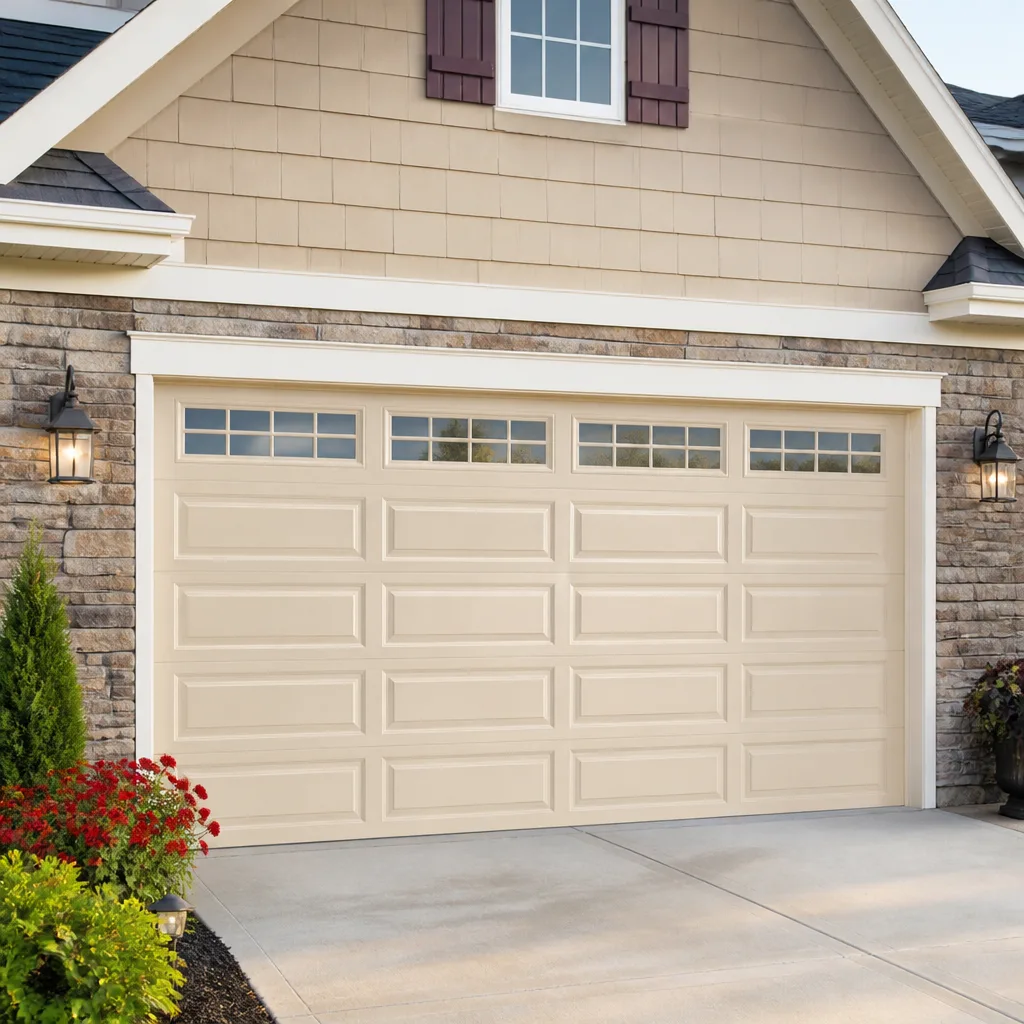 Raised-panel steel
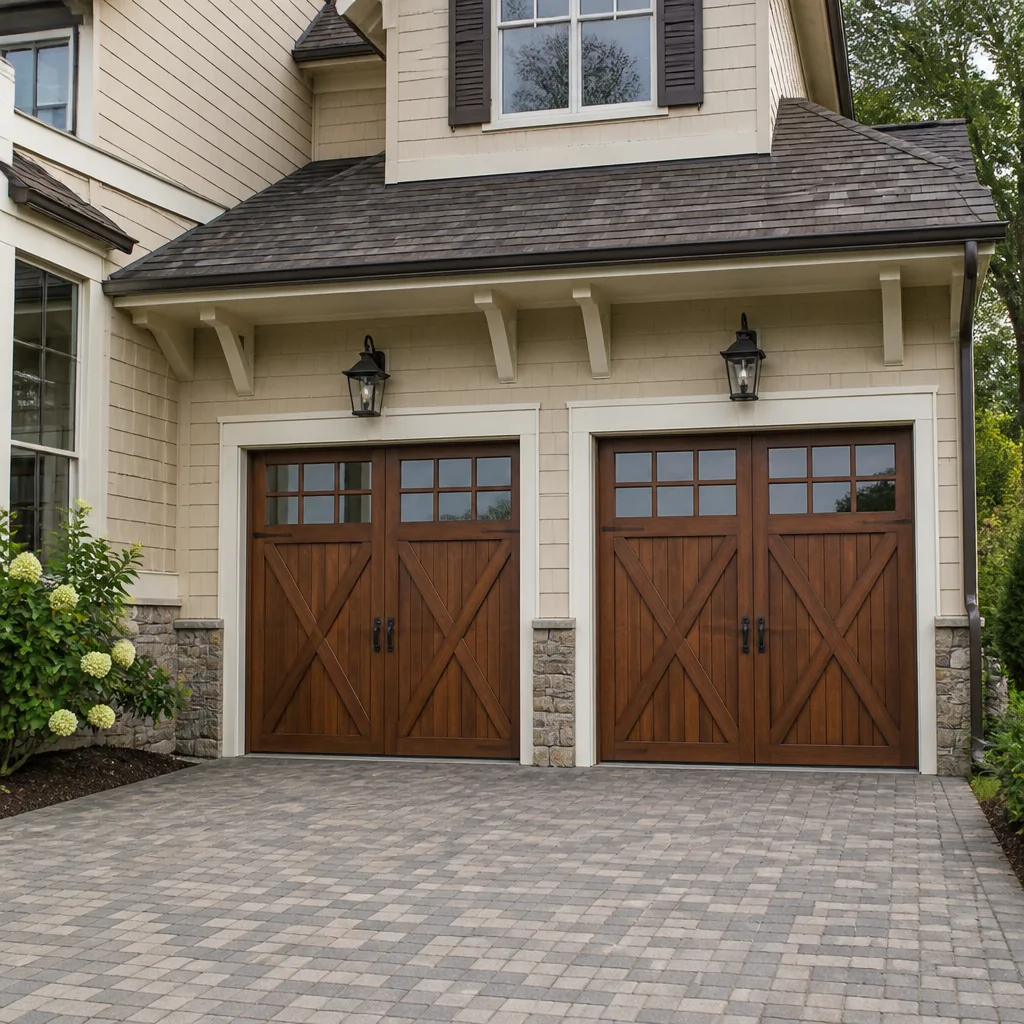 Carriage house
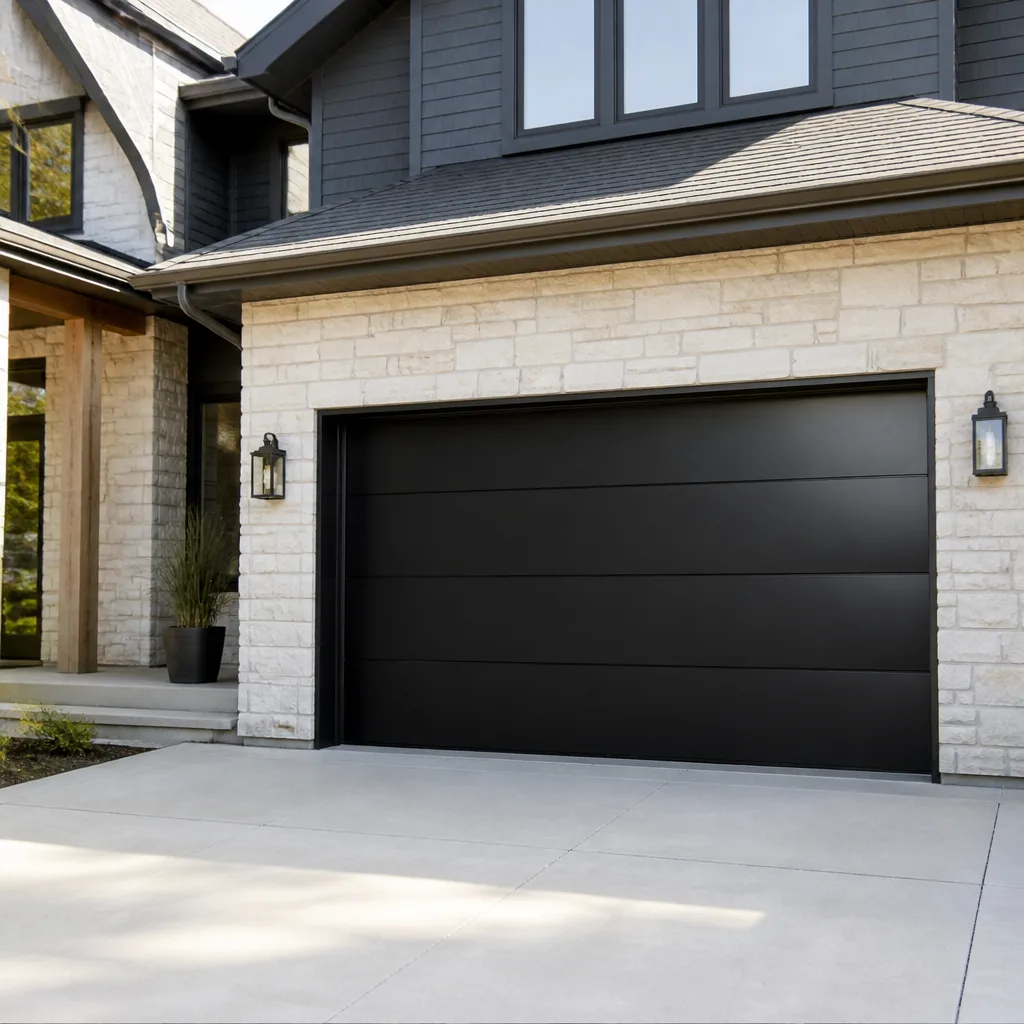 Modern flush
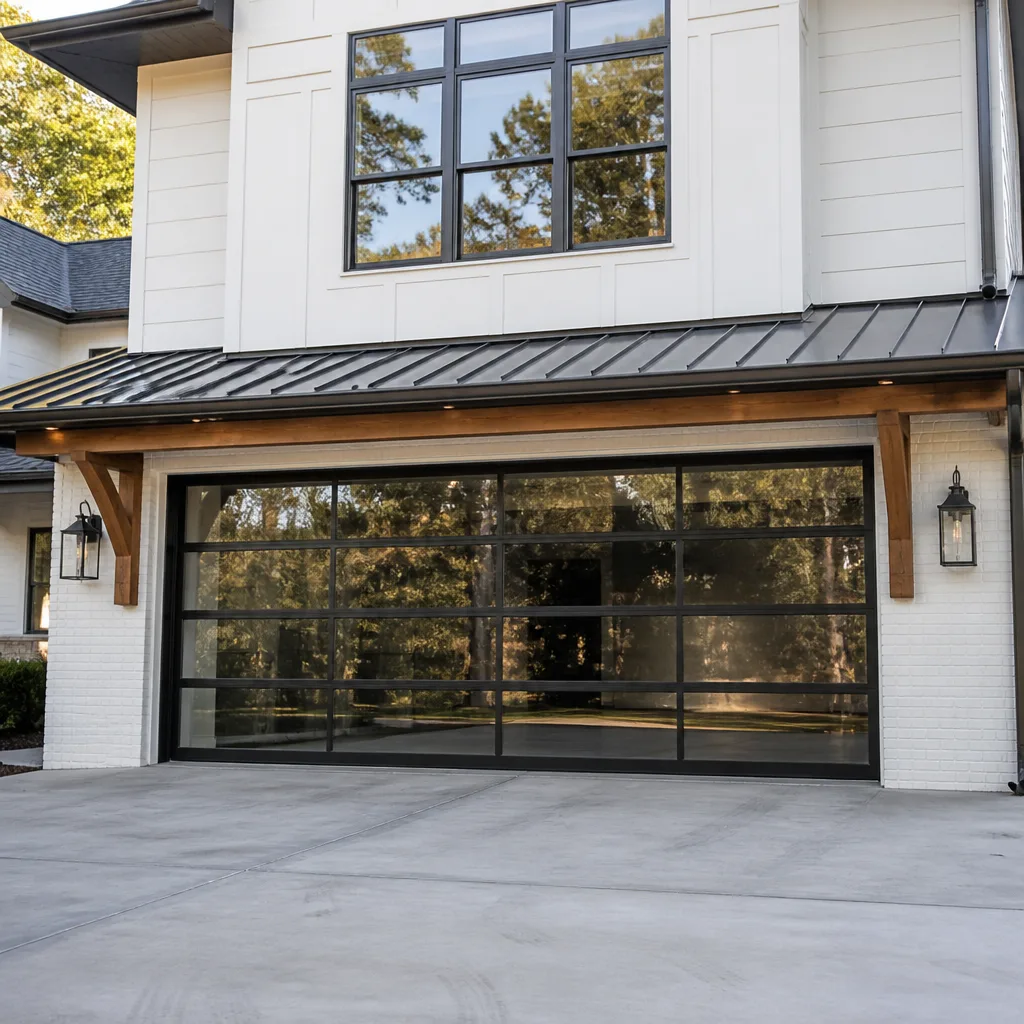 Full-view glass
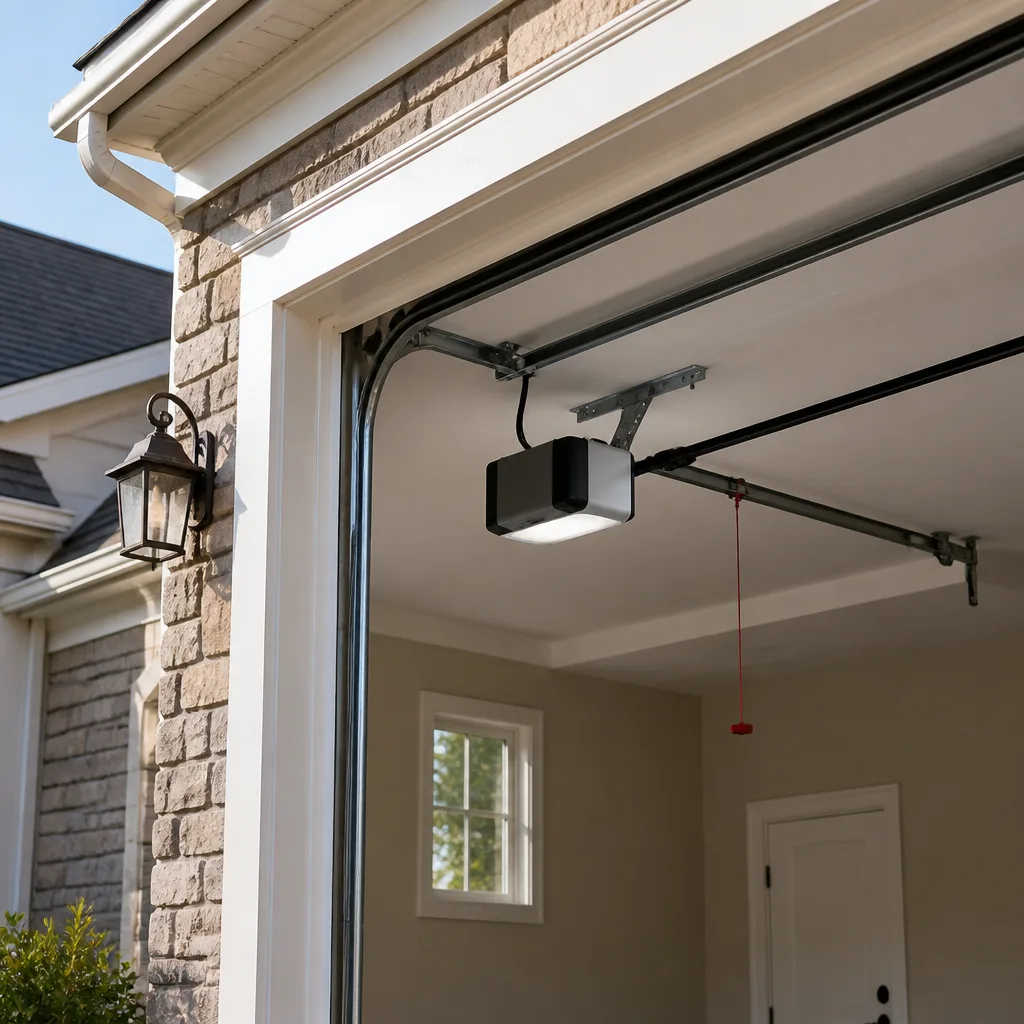 LiftMaster openers
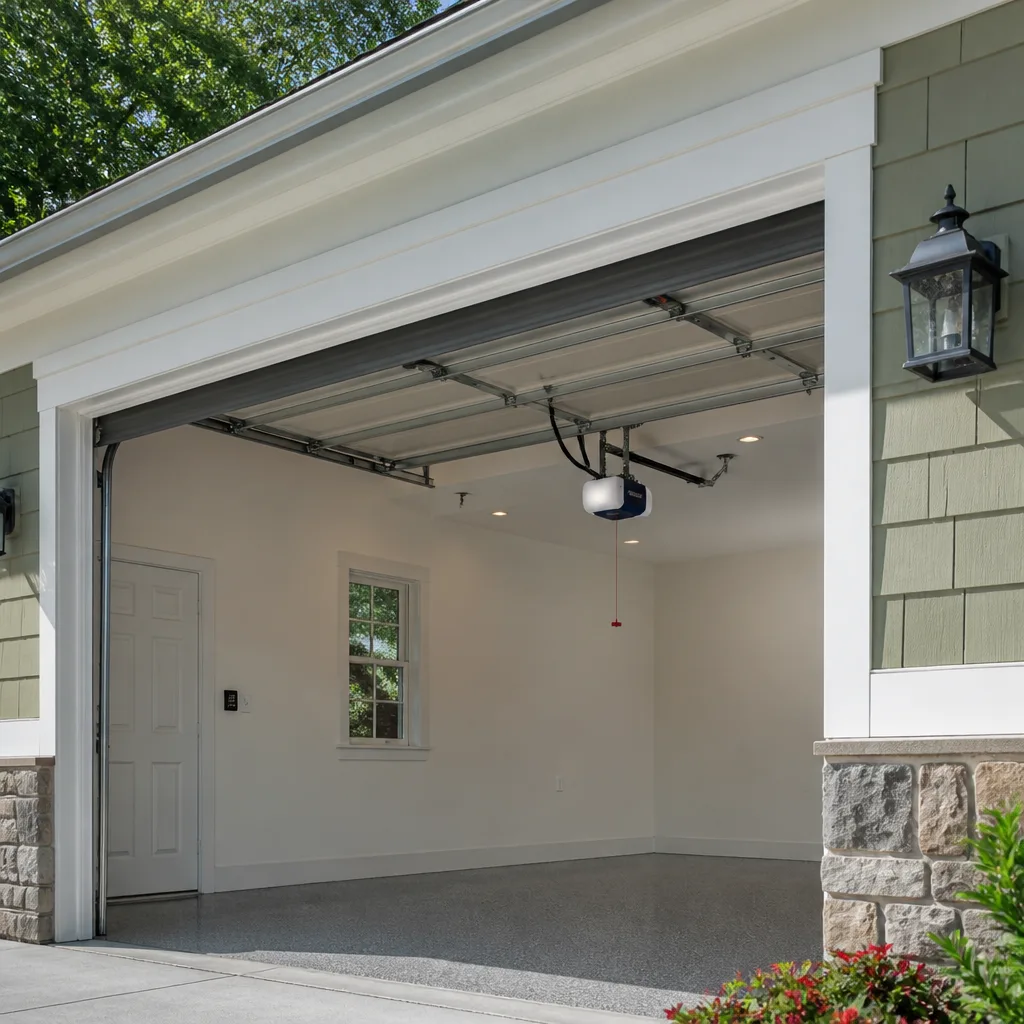 Chamberlain openers
Full 25-point door and opener safety check with every visit - springs, cables, rollers, tracks, and your LiftMaster or Chamberlain opener included
You get a price before we start. It does not change when the pro arrives.
Get your free estimateGarage Door Repair Maintenance Checklist for Portage Park Homeowners
The number-one cause of premature garage door failure isn’t the components. It’s skipped lubrication on hardware that sits in unheated alley garages through six months of sub-freezing temperatures. Most homeowners assume the opener or the panels wear out first. In our experience, it’s the small moving parts – rollers, hinges, the torsion shaft bearings – that quietly seize up over a Chicago winter and then take the whole system down with them in spring. A door that gets a five-minute lubrication routine twice a year will outlast one that only gets attention when something snaps. Below is a maintenance checklist built for Portage Park specifically: the older housing stock, the alley-facing garages, the freeze-thaw cycles. You’ll learn what to inspect monthly, what to lubricate twice a year, and when a repair call is the cheaper move.
Quick Answer
A garage door maintenance checklist for Portage Park homeowners has three tiers: monthly visual inspections (rollers, cables, weatherstripping, balance), semi-annual lubrication with cold-rated products on hinges, rollers, and the torsion spring, and an annual torque check on all fasteners plus an auto-reverse safety test. The climate here punishes any hardware that goes dry, so lubricant choice matters as much as frequency.
Styles & brands we work with
- Raised-panel steel
- Carriage house
- Modern flush
- Full-view glass
- LiftMaster openers
- Chamberlain openers
Table of Contents
- Why Portage Park Doors Age Differently
- Monthly Visual Checks Anyone Can Do
- Semi-Annual Lubrication: The Right Products for Chicago Cold
- Annual Hardware and Torque Inspection
- How to Test Auto-Reverse and Force Settings
- Rust-Creep on Bottom Brackets and Hinges
- Building a Maintenance Log You’ll Actually Use
- Common Mistakes to Avoid
Why Portage Park Doors Age Differently
Portage Park is full of two-flats, bungalows, and brick walk-ups built between the 1910s and the 1950s, and most of them have detached garages that face an alley rather than a street. That single fact changes how a garage door ages here. A street-facing attached garage is sheltered on at least two sides by the house. An alley garage in Portage Park is often exposed on three sides, sometimes all four, with nothing between the door and a north wind coming across the block. On top of that, many of these garages are unheated, so the metal door and its hardware sit at outdoor temperatures all winter while the opener motor runs cold.
The climate does the rest. Chicago winters swing hard between freeze and thaw, and that cycle is what drives water into every seam and crevice on a door: the joint where a hinge meets a panel, the bottom bracket bolts, the track fasteners. Water gets in, freezes, expands, and pushes the hardware a little looser each time. Come spring, the hinges that were tight in October are loose, and the rollers that turned freely are grinding.
We work on plenty of doors in Portage Park where the panels are still solid and the opener is still fine, but every hinge, roller, and bracket is on its last legs. That’s the pattern here. The lifespan of the door shell outpaces the lifespan of the moving parts by a wide margin, which is exactly why maintenance is worth doing and why a targeted repair beats a full replacement almost every time.
One more local factor: these garages are usually on a slab that heaves with frost. The door track is bolted to that slab and to the wall above. When the slab moves, the track shifts, and a door that was balanced in fall can be dragging by March. Checking the balance and the track alignment on a schedule catches that drift before it wears out the opener.
Monthly Visual Checks Anyone Can Do
A monthly walkaround takes five minutes and catches most developing problems before they become a repair call. You’re not fixing anything here. You’re looking and listening. Everything below is observation only: no tools, no adjustments, no climbing.
- Look at the door from outside. Stand back and check that the panels sit even and the gaps at the sides are consistent top to bottom. A gap that widens toward one corner suggests a bent track or a shifted panel.
- Check the rollers. With the door closed, look at the rollers where they sit in the hinges. They should look round and coated, not flat-spotted or shiny. A roller that has lost its bearing surface will sound like gravel when the door moves.
- Run your eye down the cables. You’re looking for fraying, kinks, or rust streaks on the steel. Cables are under serious tension. If you see anything wrong with them, stop there and call a technician. Do not touch them.
- Inspect the weatherstripping. The bottom seal should press against the slab along its whole length. If you can see daylight under the door, cold air and water are getting in, which speeds up rust on the bottom hardware.
- Listen to the door. Open and close it once. A healthy door is fairly quiet. Grinding, squealing, or a single loud pop means something needs attention.
- Test the balance. Disconnect the opener (most have a release pull), lift the door halfway, and let go. A balanced door holds its position. A door that sinks or rises on its own is out of balance, and that’s a call to a technician.
None of these checks require you to put your hands anywhere near the springs or cables. Keep it to eyes and ears and you stay safe. For anything that needs adjustment, a Portage Park homeowner is better served getting a garage door repair tech out than poking at a live torsion system.
Semi-Annual Lubrication: The Right Products for Chicago Cold
Twice a year, in late fall before the first hard freeze and again in spring, lubricate the moving parts. In Portage Park, the timing is the point. A door lubricated in October with the right product will get through the winter without seizing. Do it in summer with the wrong product and it’ll be worse off by January.
Here’s what to lubricate:
- All hinges, at the pivot points (not the door face)
- All rollers and their stems
- The torsion spring coils (a light film, not a soaking)
- The torsion shaft bearings at the center and ends
- The opener rail and the trolley where it rides (check the opener’s manual for the specific points)
- The lock, if you have a manual one
A quick note on safety before we go further: the torsion spring stores enough energy to cause serious injury, and it’s under tension even when the door is down. Lubricating the coils lightly is fine. Anything beyond that, including trying to adjust, wind, or unwind a spring, is trained-technician work. We’ll say it plainly: don’t. If you’re not sure a spring is healthy, call us and we’ll come look.
What to use in Chicago cold
Cold-rated lubricant is non-negotiable here. Below about 20°F, the wrong product turns tacky or gummy and actually increases wear, because it stops the moving part from moving freely and holds grit in place. Two common products do exactly that in Portage Park winters: standard white lithium grease and general-purpose WD-40.
White lithium grease is fine in mild climates and terrible in a cold garage. It thickens as temperatures drop and turns the hinge pivots into stiff joints. General-purpose WD-40 is a light penetrating oil, not a long-term lubricant. It thins out and leaves the surface dry, so you get a few good days and then more wear than before.
What works in a cold garage: a silicone-based spray lubricant, or a dedicated garage-door lubricant labeled for low temperatures. A lithium-complex or synthetic grease rated for sub-freezing use is also fine on the heavier pivot points. Apply thinly. A door with excess grease attracts dust and grit from alley traffic, and that grit is what wears the rollers.
If the opener is acting up in the cold, that’s a separate issue from lubrication, and it’s worth knowing your brand. We see LiftMaster, Chamberlain, Genie, and Raynor openers across Portage Park, and each has its own cold-weather quirks. A garage door opener repair visit is often a small fix, not a replacement.
Annual Hardware and Torque Inspection
Once a year, ideally in fall before the cold sets in, go through every fastener on the door with a wrench and check it. The freeze-thaw cycle in Portage Park works fasteners loose over a season, and a door held together by loose bolts is a door that’s going to fail. Most of these are simple tighten-ups you can do yourself once you know where to look.
What to check:
- Hinge bolts. Every hinge is bolted to the panel. Tighten any that turn freely. Don’t overtighten: a stripped panel hole is a bigger repair than a loose bolt.
- Track fasteners. The brackets holding the track to the wall and slab should be snug. If a bracket is visibly bent or pulling away from the wall, stop and call a technician, because the track alignment is off.
- Bottom bracket bolts. These are the brackets at the very bottom of the door where the cables attach. They carry enormous tension. Check them visually for rust and looseness, but don’t put a wrench on them. Bottom brackets are one of the most dangerous parts on a garage door and they are technician territory.
- Opener mounting bolts. The bolts holding the opener to the ceiling and the rail to the header should be tight. A vibrating opener loosens them over time.
- Roller stems. Check that each roller sits fully in its hinge and the stem isn’t backing out.
If you find a dozen loose bolts, that’s normal for a well-used door in this climate and not a reason to panic. It is a reason to do the check every year. And if the tracks look bent or the door is scraping on one side, that’s a sign the whole door has shifted off square, which is a job for a garage door repair Portage Park technician.
How to Test Auto-Reverse and Force Settings
The auto-reverse test is the most important safety check on your whole garage door, and it’s one you can and should do every month. It takes seconds. There are two tests: the mechanical test with a physical object, and the photo-eye test with your hand or foot breaking the beam.
The exact procedure differs by opener brand. Here’s how each of the three most common brands in Portage Park handles it.
Chamberlain and LiftMaster
These two share engineering and test the same way. Place a piece of wood, like a scrap of 2×4, flat on the floor in the center of the doorway. Close the door with the wall control. The door should reverse within two seconds of touching the wood and return to fully open. If it doesn’t, the force settings need adjusting. For the photo-eye test, close the door and pass a hand through the beam near the floor. The door should reverse immediately. If either test fails, adjust the force limits per the opener’s manual, or call a tech.
Genie
Genie openers run the same mechanical test with the wood block. Genie’s force settings are adjusted on the opener head, usually with a small screw or a digital menu on newer models. Run the wood-block test first. Then the photo-eye test: break the beam and confirm reverse. Genie specifies the reverse distance as the door contacting an obstruction within roughly the first couple of inches of travel before reversing. If it doesn’t reverse at all, stop using the door until it’s fixed.
Verifying the force setting doesn’t need a test object
One trick: open the door, then press the wall control to close it and press again mid-travel to stop it. A healthy door reverses on contact with even light pressure. A door that needs a hard push to reverse is set too high on force, which is the dangerous direction.
If the safety reverse doesn’t work, treat it as a defect and get it repaired before anyone uses the door. This is one of the checks where we always recommend calling rather than adjusting blind, because a misadjusted force setting is a crushing hazard. For openers that misbehave on the safety side, we can look at it during a standard service call.
Rust-Creep on Bottom Brackets and Hinges
Portage Park’s alley garages are the worst case for rust. Standard construction puts the garage at the back of the lot, facing an alley, often with no overhang, no attached house, and no shelter from wind-driven rain and snow. Three of the four walls might be fully exposed depending on the lot. That means water hits the door face and gets driven into every joint, and the freeze-thaw cycle pushes it deeper each winter.
The first place rust shows up is the bottom edge of the door, at the bottom brackets and the bottom hinges. That’s where road spray from the alley lands, where snow gets piled against the door, and where water wicks up from a wet slab. Look for a brown stain creeping up from the bottom of each hinge plate, or rust-colored drips running down the door face from a bolt.
Rust-creep is gradual, which is what makes it dangerous. It doesn’t announce itself. By the time the bottom bracket is visibly rusted through, the metal has lost a lot of strength, and that bracket is holding a cable under real tension. On the hinges, rust seizes the pivot and the door starts to drag, which wears the opener and the rollers.
What to do: catch it early. A light surface rust on a hinge can be brushed off and spot-treated with a rust-inhibiting paint or lubricant. Deep rust, flaking metal, or any rust on a bracket that holds a cable is a technician call. Bottom bracket replacement is simple, inexpensive, and one of the best preventive repairs we do in Portage Park.
Building a Maintenance Log You’ll Actually Use
A maintenance log is worth keeping for two reasons. First, it makes you actually do the checks, because a blank column with last month’s date on it is a quiet prompt. Second, when you sell your Portage Park home, a documented maintenance history is a real selling point. Buyers look at garage doors, and proof that the springs, opener, and hardware were maintained is worth more than a shiny door with no records.
Here’s the format we recommend. A sheet of paper taped inside the garage, or a note on your phone, both work. Rows down the left, columns across the top.
- Columns: Date, Check, Result, Action, Technician or DIY, Cost.
- Row one, monthly check: Log the visual inspection and balance test. Write “OK” or note what you saw.
- Row two, lubrication: Log the date and the product used. This is where the log is genuinely useful, because you’ll remember whether the last lube was silicone or that white lithium you didn’t realize was a problem.
- Row three, annual torque: Log the date and any fasteners tightened.
- Row four, safety test: Log the auto-reverse result for both the wood-block and photo-eye tests.
- Any technician visit: Log the date, the work performed, the parts replaced, and the technician’s notes. Keep the invoice.
If you service the door professionally, ask for a copy of the service record. Reputable shops will give you one, and it’s exactly the documentation a buyer wants to see. When the door gets to the end of its life, the log also tells you whether a repair or a replacement makes sense, which is a decision we’re happy to walk you through. If replacement is the right call, we handle garage door installation too, so the same team that’s been maintaining the door can put a new one in. We also stock and supply genuine replacement parts so a repair doesn’t turn into a multi-week wait for a part to ship.
Common Mistakes to Avoid
- Using white lithium grease or general-purpose WD-40 on the door. Both work against you in a Chicago winter. In Portage Park, that means the very season your hardware needs the most help is the season those products stop helping. Use a cold-rated silicone or synthetic lubricant.
- Skipping lubrication because “it still works.” A door that runs quietly in October can be seized by January, because the damage happens invisibly. The dry hinge doesn’t announce itself until it has already worn out the roller.
- Adjusting the springs or cables yourself. This is the mistake that hurts people. The torsion system stores enough force to break bones. If a spring or cable is suspect, call a trained technician. Spring repair is safety work, not a weekend project.
- Ignoring the bottom brackets when checking for rust. Homeowners check the door face and miss the brackets at the bottom. Those brackets hold the cables and they’re the first thing to rust in an alley garage.
- Forcing a door that’s stuck. If the door won’t move, the opener isn’t the problem, and pressing the button harder won’t help. Stop, disconnect the opener if you can do so safely, and call a technician.
- Adjusting the force setting higher because the door keeps reversing. The door is reversing because it’s hitting resistance. Raising the force turns off the safety feature instead of fixing the cause. Find the drag, don’t override the reverse.
- Not keeping records. A Portage Park home with a documented garage door maintenance log sells better than one without. Write it down.
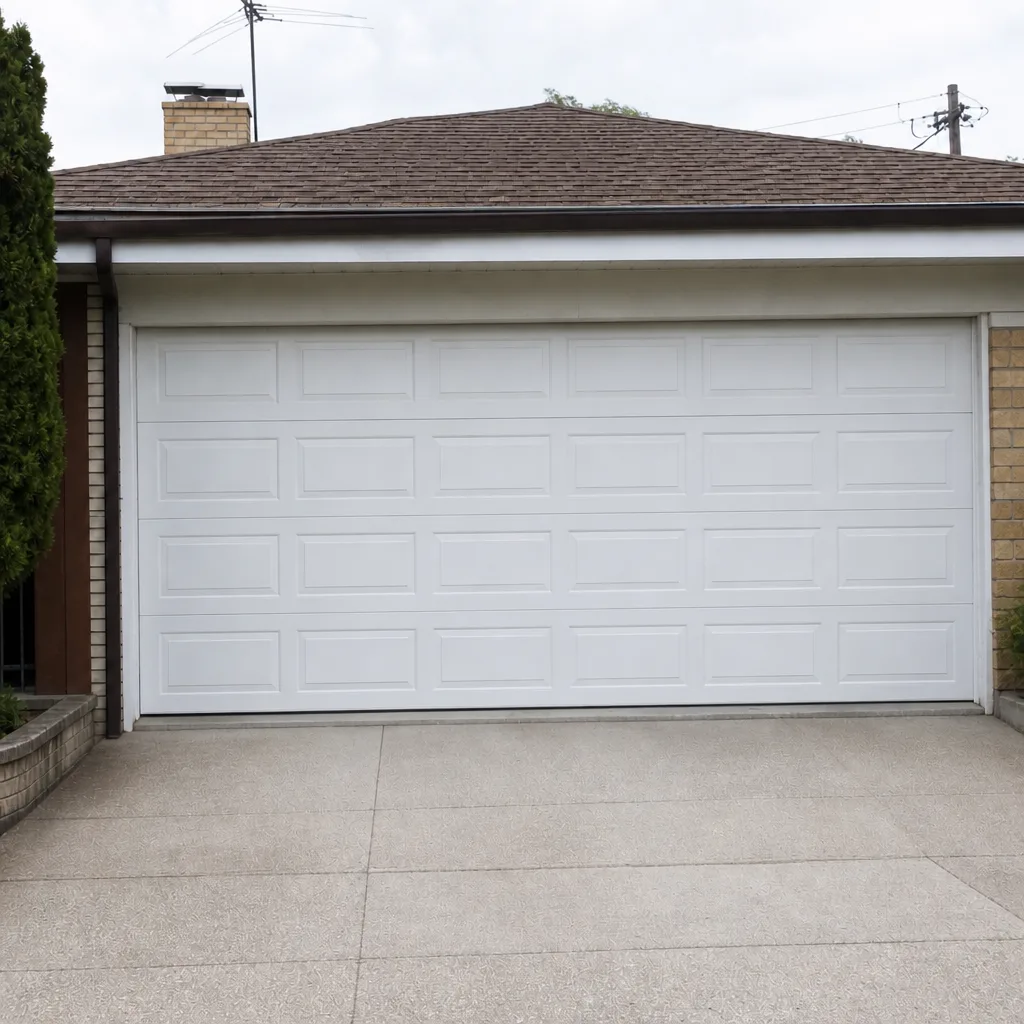
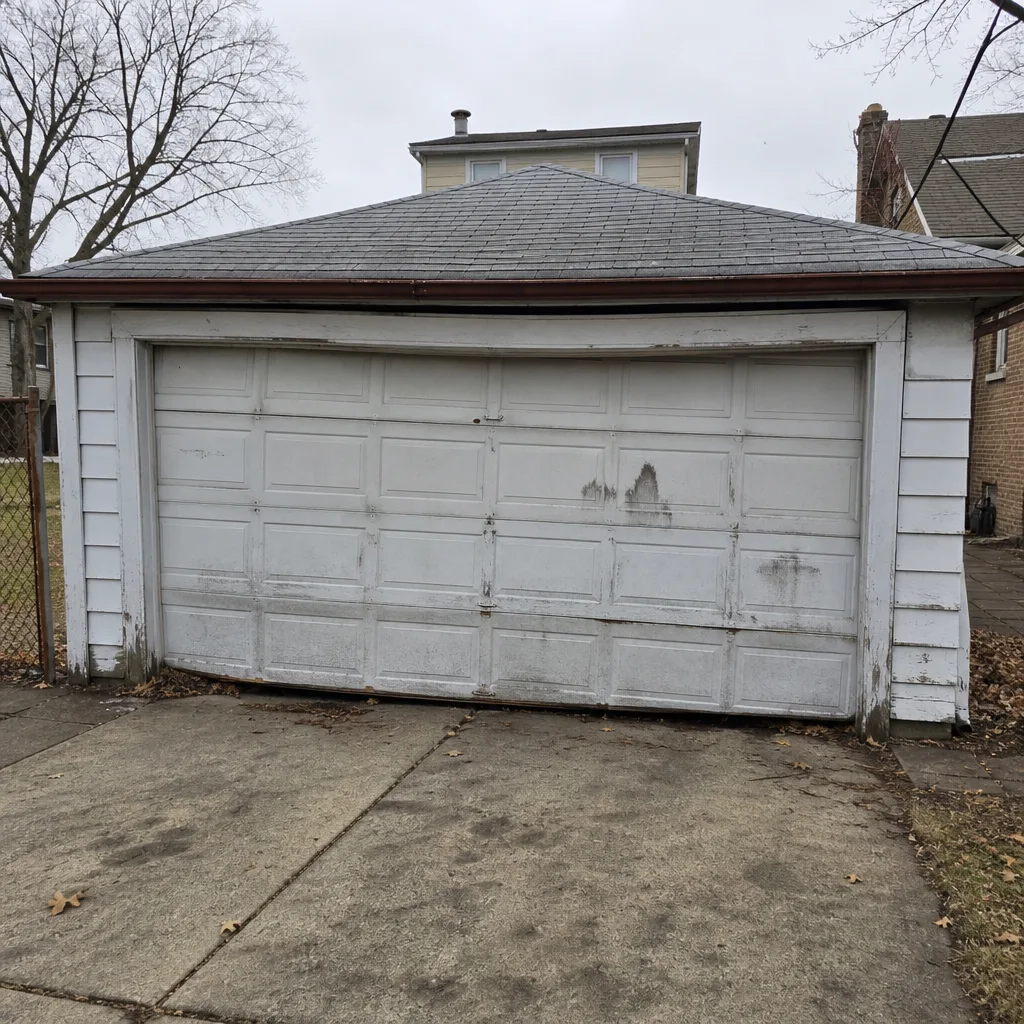
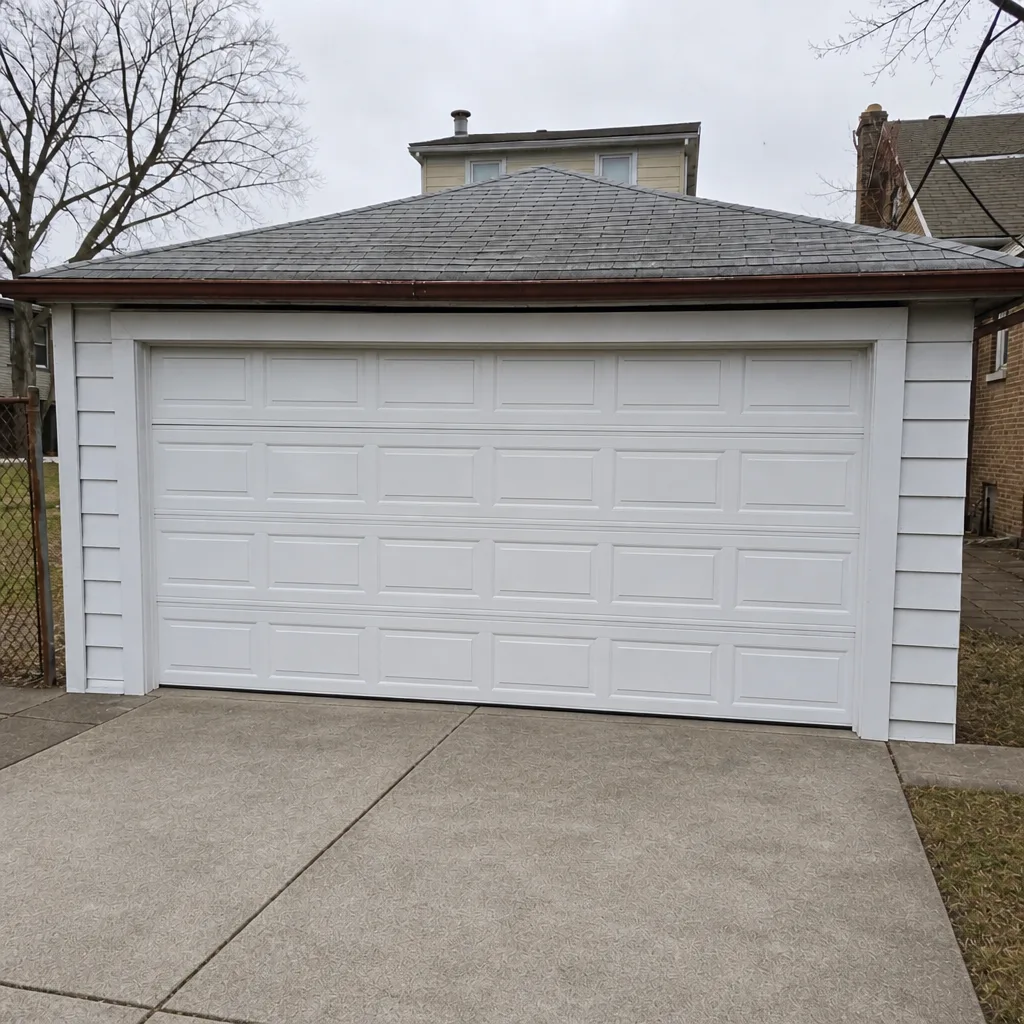
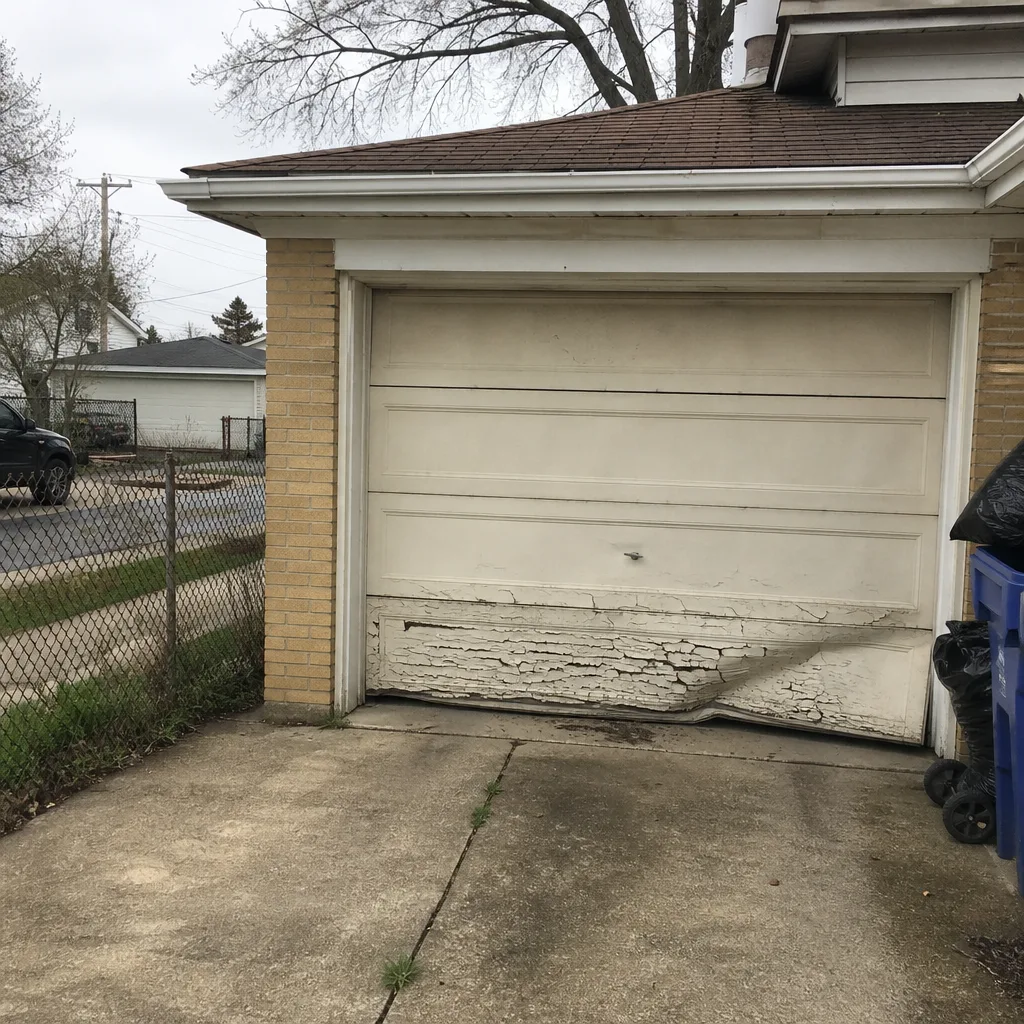
See the difference
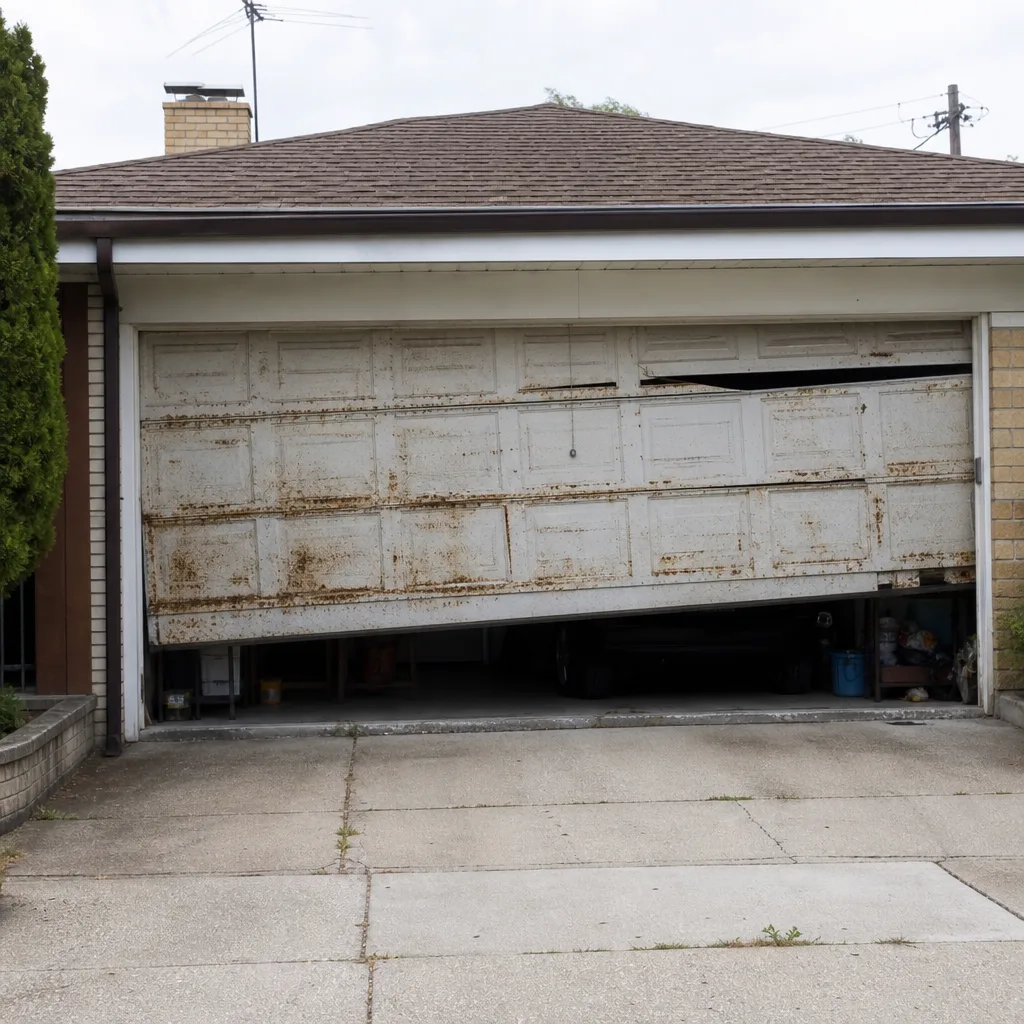 Before
 After
 Before
 After
 Before
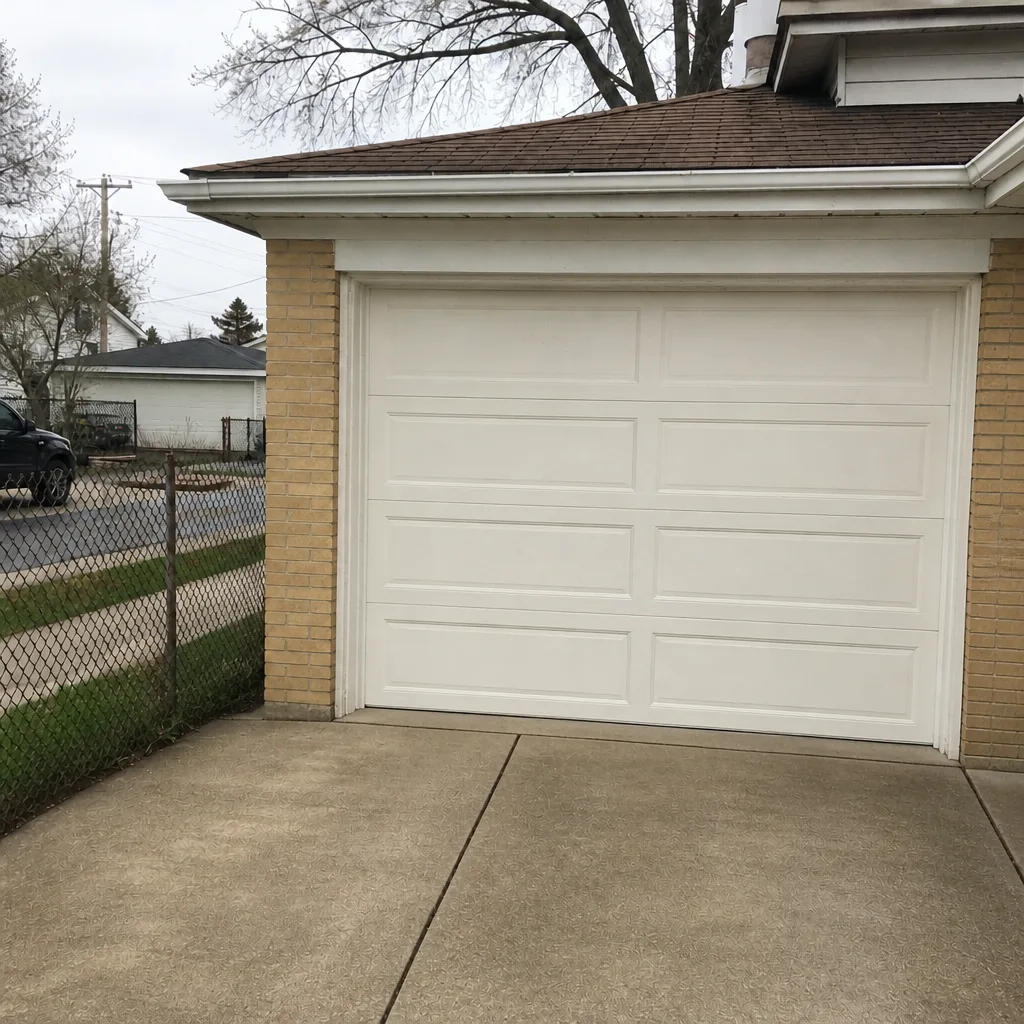 After
When to Call a Professional
Call a technician when a spring breaks, when you see or hear a cable issue, when a bottom bracket is rusted through, when the door is visibly out of square, or when the auto-reverse fails even after a clean test. Call if the door is dragging, scraping, or grinding. Call if the opener runs but the door doesn’t move. And call before adjusting force settings or touching any part of the tension system. Our technicians have up to 12 years of experience and know the brand-specific quirks of the major openers, which matters for a diagnosis. Garage Door Repair Portage Park offers free estimates in Portage Park. Call (844) 743-1041 and we’ll get you scheduled.
Frequently Asked Questions
Twice a year, in late fall before the first hard freeze and again in spring. Portage Park’s freeze-thaw cycle is hard on unheated garage hardware, so the fall lubrication is the one that matters most. Use a cold-rated silicone or synthetic lubricant, not white lithium grease or general-purpose WD-40, which both thicken and stop protecting below about 20°F. Call (844) 743-1041 for an exact quote on a service visit.
A silicone-based spray lubricant or a dedicated garage-door lubricant labeled for low temperatures. Lithium-complex or synthetic grease rated for sub-freezing use also works on the heavier pivot points. Avoid white lithium grease, which thickens in the cold, and general-purpose WD-40, which thins out and leaves the surface dry. Call (844) 743-1041 if you’d rather have a technician handle it.
You’ll usually hear a loud pop and find the door won’t lift, or the door feels unusually heavy when you try to open it by hand. A broken spring is obvious; a weakening one is not, which is why the monthly balance test matters. Never try to diagnose or adjust a spring yourself. Spring repair is safety work and should be done by a trained technician. Call (844) 743-1041 for a free estimate.
Most often, dry hardware has stiffened up, or a lubricant has thickened past its cold rating, so the moving parts bind. The fix is usually a cold-rated lubricant applied to hinges, rollers, and the shaft bearings. If the door is stuck and won’t move at all, don’t force it. Call (844) 743-1041 and we’ll get a technician out.
Lubricate the rail and trolley per the manual, test the auto-reverse monthly with a wood block and the photo-eye test, and check the mounting bolts annually. LiftMaster and Chamberlain share engineering, so the tests are the same. If the opener reverses on contact correctly, you’re in good shape. Call (844) 743-1041 if the safety reverse fails.
Yes, a documented maintenance log and a garage door that operates quietly and safely is a real selling point for a buyer walking through a Portage Park home. Keep your service records. Call (844) 743-1041 for a free estimate on anything the log flags.
The Bottom Line
Portage Park’s weather and housing stock punish a garage door that only gets attention when it breaks. The checklist is small: monthly visual checks, twice-a-year lubrication with cold-rated products, an annual torque and safety-reverse check, and an eye on rust at the bottom brackets. Do those things and the moving parts last as long as the door shell. Miss them and the hinges and rollers wear out years early, usually in spring, usually when you need the door most. Keep a log. Call us when something looks off. Garage Door Repair Portage Park covers the whole door, five services with one team, so a maintenance call doesn’t split into three. Call (844) 743-1041 for a free estimate.
Written by the team at Garage Door Repair Portage Park.