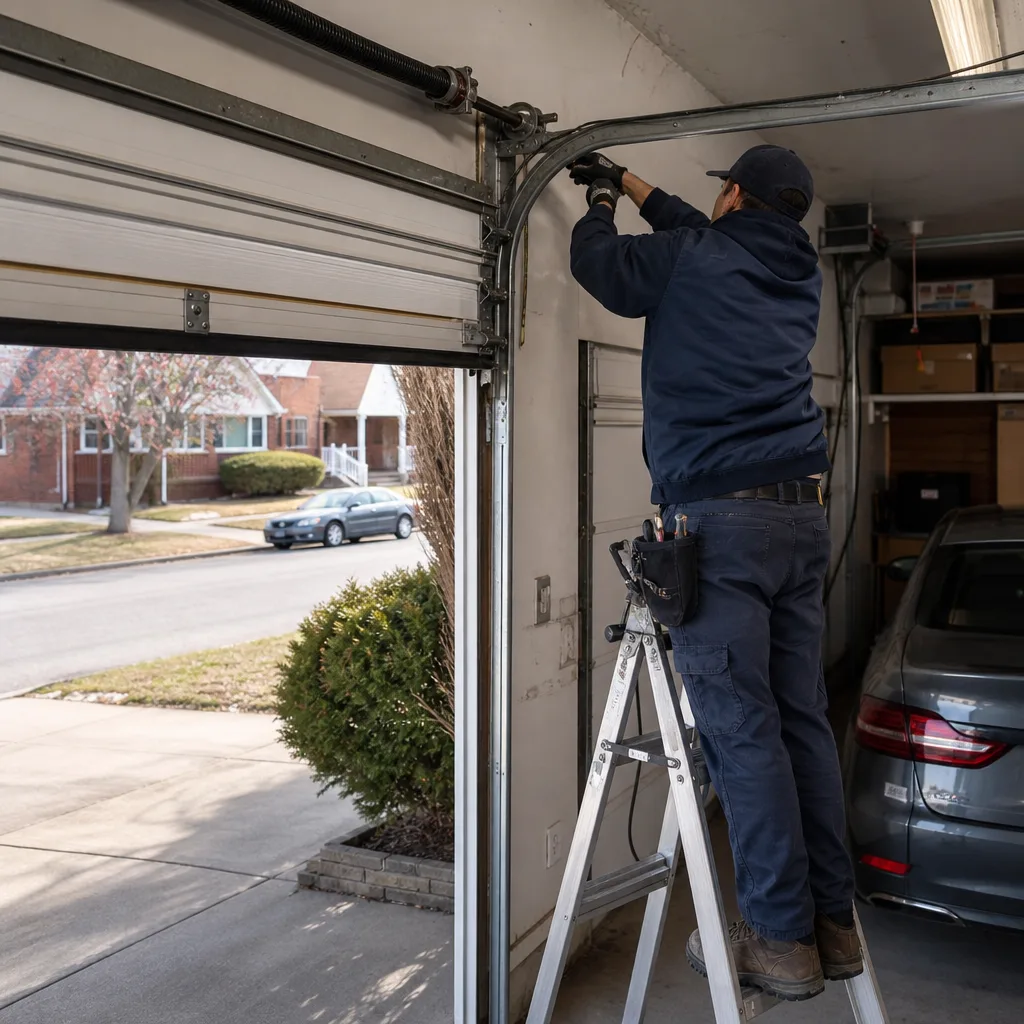
Last updated November 21, 2026
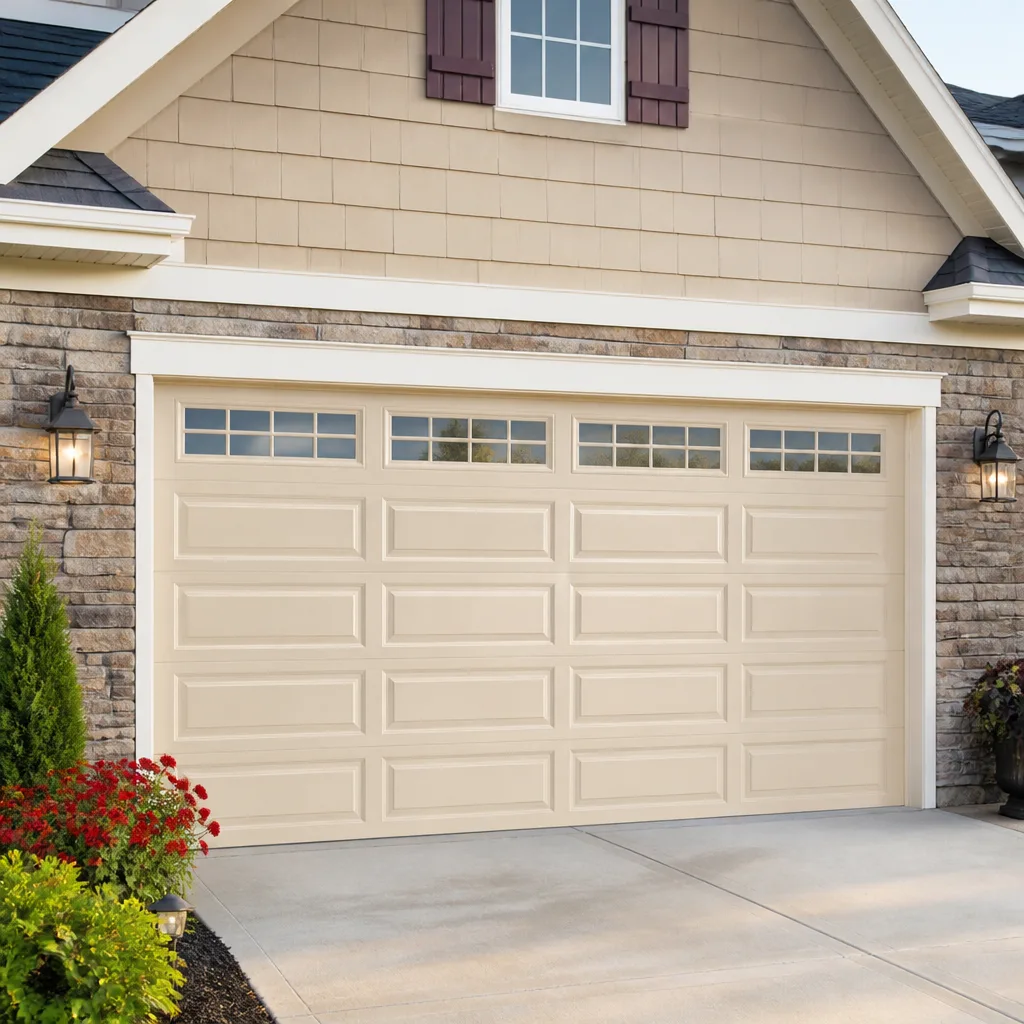 Raised-panel steel
 Carriage house
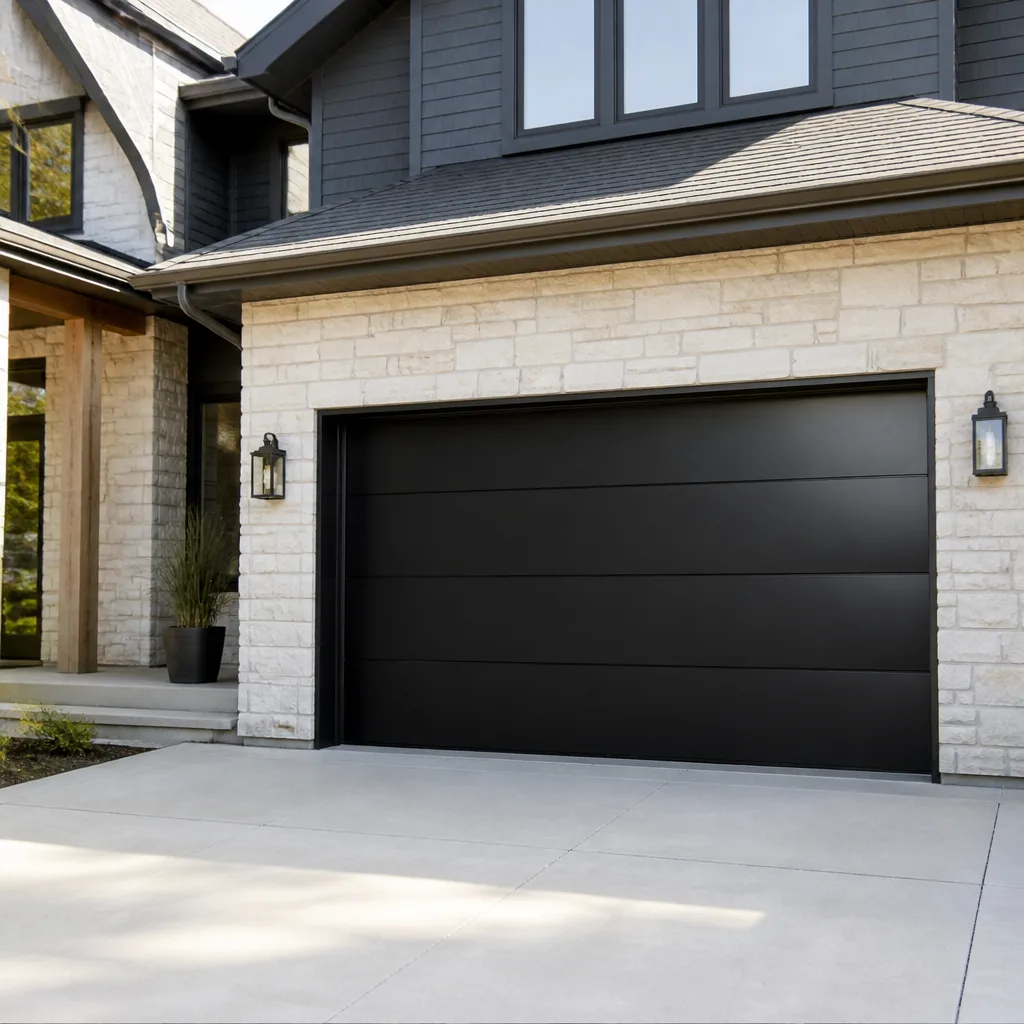 Modern flush
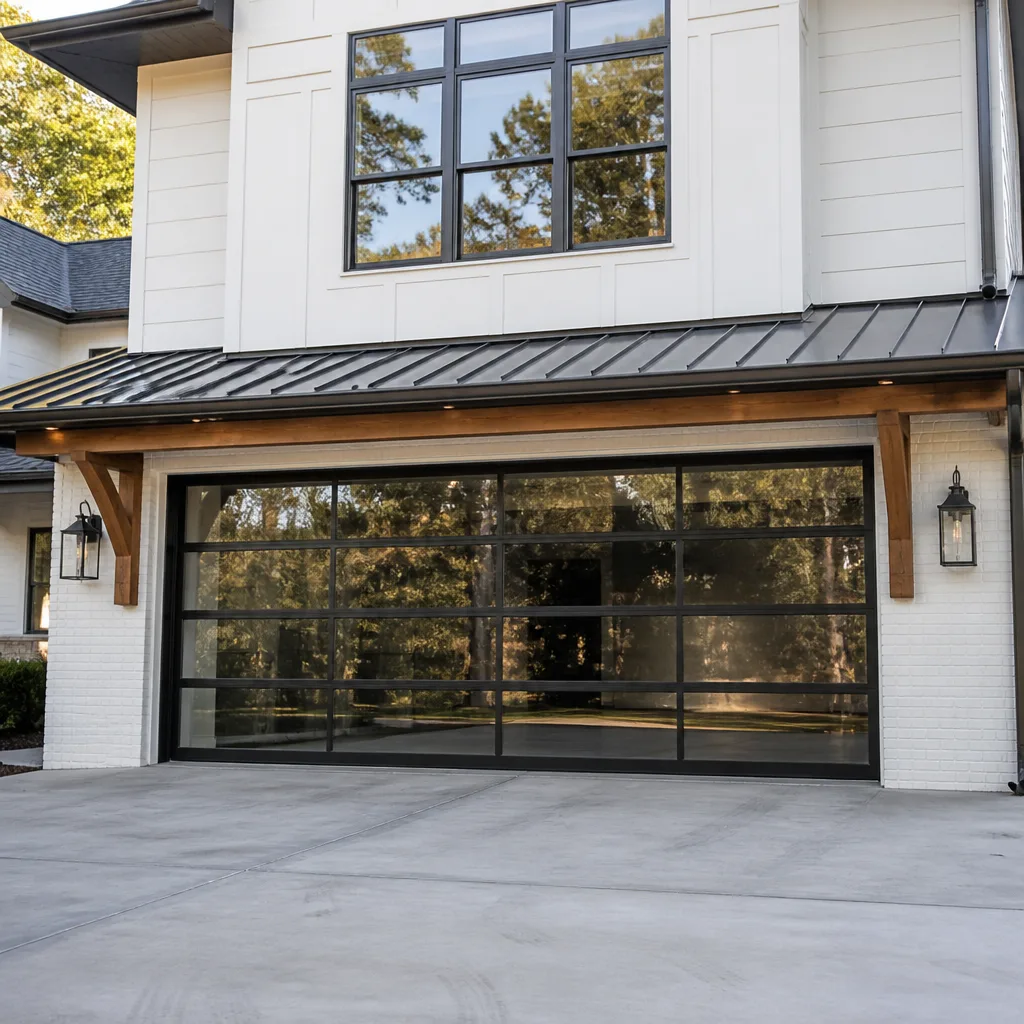 Full-view glass
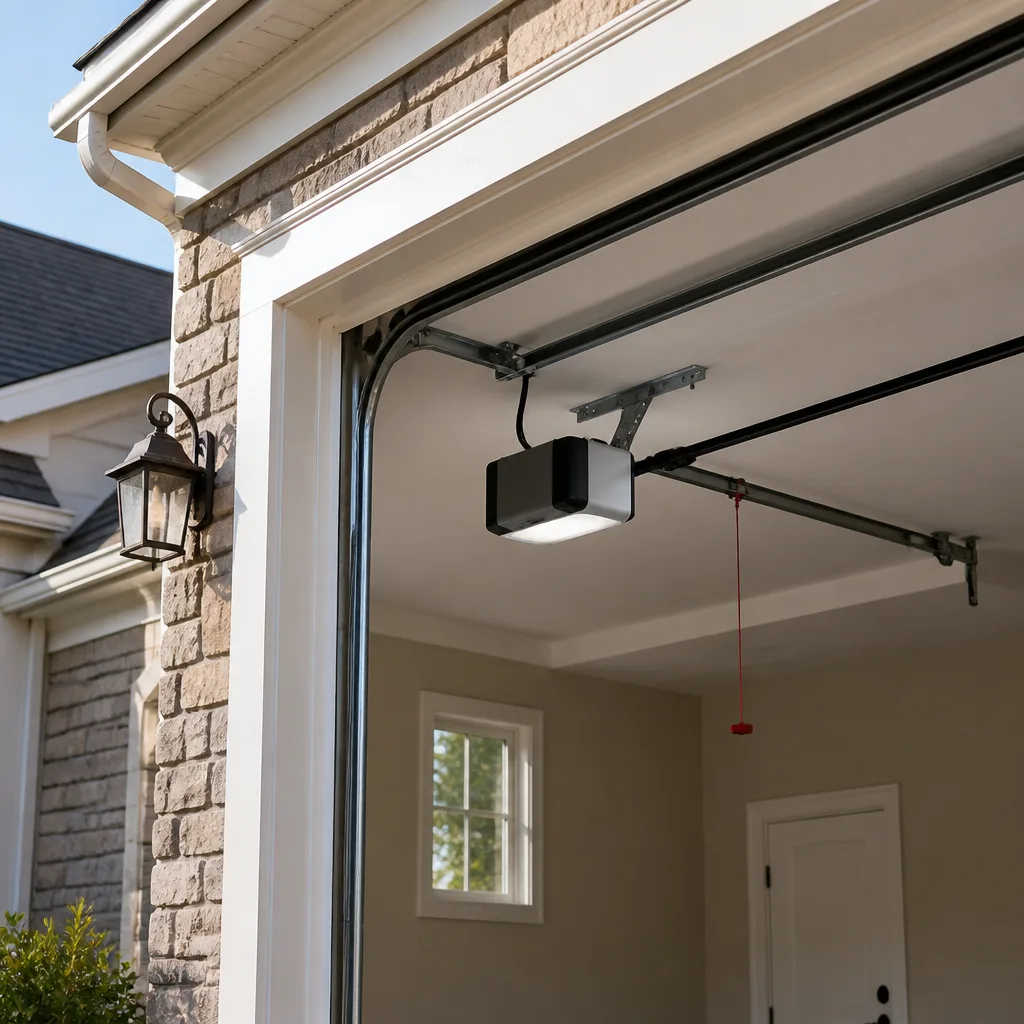 LiftMaster openers
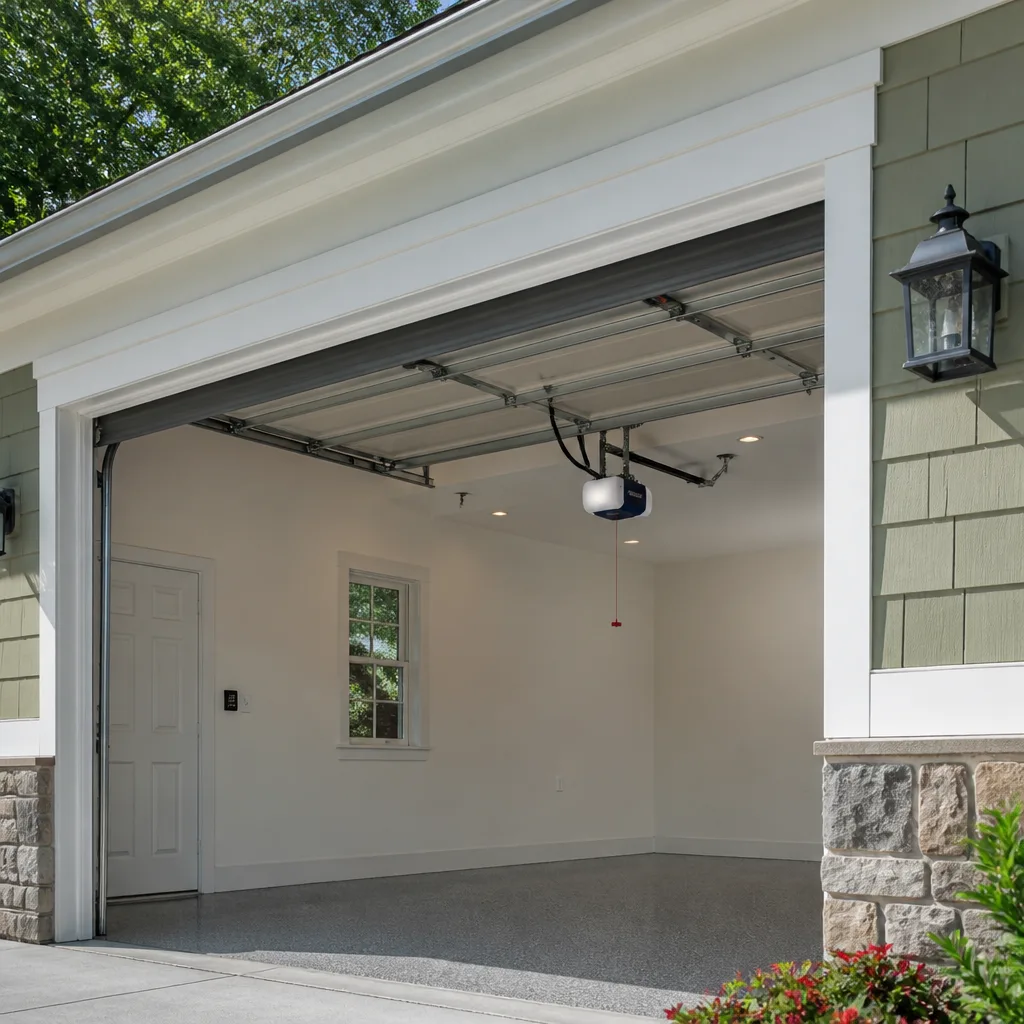 Chamberlain openers
Full 25-point door and opener safety check with every visit - springs, cables, rollers, tracks, and your LiftMaster or Chamberlain opener included
You get a price before we start. It does not change when the pro arrives.
Get your free estimateGarage Door Warning Signs: A Portage Park Homeowner’s Reference Guide
A garage door that’s “a little slow” in the morning isn’t quirky. It’s often a torsion spring losing tension unevenly, and the asymmetric load that puts on the opener shortens that motor’s life with every cycle. We’ve seen this pattern repeat across Portage Park bungalows and two-flats, and it’s the single most misread signal in the trade. This guide does one thing: it maps specific warning signs to the specific components failing behind them, so you can describe what’s happening accurately, judge how urgent it is, and know whether you’re watching a minor nuisance or standing in front of a failed spring. Read on if your door has started talking to you.
Quick Answer
Grinding, squealing, jerking, slow movement, and uneven travel almost always trace to one of four parts: worn rollers, dry or failing torsion springs, stretched cables, or a straining opener motor. Springs and cables are safety-critical and should be handled only by a trained technician; squeaky rollers and general lubrication are the routine maintenance side. If you hear a loud snap followed by a door that won’t lift, that’s a broken spring and it’s a call-today situation, not a watch-and-wait one. We can help you sort one from the other.
Styles & brands we work with
- Raised-panel steel
- Carriage house
- Modern flush
- Full-view glass
- LiftMaster openers
- Chamberlain openers
Table of Contents
- Symptom-to-Component Diagnostic Map
- Visual Warning Signs on Springs, Cables, and Rollers
- Opener Problem or Door Problem? The Manual Release Test
- Cold-Weather Warnings: Lubrication Failure vs. Hardware Wear
- Watch-and-Monitor vs. Call-Today: Clear Criteria
- Brand-Specific Signals Worth Knowing
- What Actually Prevents Premature Failure
- Common Mistakes to Avoid
Symptom-to-Component Diagnostic Map
Most homeowners describe a sound or a motion, not a part. That’s fine, and it’s actually the fastest way to get to the right answer if you know what each symptom points to. Here’s how we break it down when a Portage Park homeowner calls in a symptom without knowing the cause.
| Symptom | Most Likely Component | Urgency |
|---|---|---|
| Grinding or scraping as the door moves | Worn or seized rollers, or a bent track | Monitor, fix soon |
| High-pitched squealing | Dry rollers, hinges, or torsion shaft bearings | Maintenance |
| Jerking or shuddering | Uneven spring tension or a stretched cable | Call soon |
| Slow movement in one direction | Failing torsion spring losing tension | Call soon |
| Door drifts to one side going up | One spring carrying more load than the other | Call today |
| Loud snap, door won’t lift | Broken torsion or extension spring | Call today |
| Door reverses before closing fully | Safety sensor obstruction or opener logic fault | Check sensors first |
| Motor runs, door doesn’t move | Broken spring, snapped cable, or stripped gear | Call today |
That “slow in one direction” row is the one homeowners most often shrug off. A door that hesitates on the way up but closes fine is telling you the spring has lost some of its lift capacity. Left alone, it transfers the difference onto the opener motor, which wasn’t built to lift the full weight of the door. That’s the months-off-the-motor problem from the top of this guide, and it’s why we treat slow lift as a mechanical warning rather than an opener glitch. For a symptom that doesn’t fit any row here, the Garage Door Repair Portage Park page is the place to start.
Visual Warning Signs on Springs, Cables, and Rollers
Some failures show themselves before they announce themselves out loud. Springs, cables, and rollers all leave visual evidence in the weeks before they let go, but only if you know where to look. This is a look-from-a-safe-distance checklist. Don’t reach into the door, don’t touch a spring under tension, and don’t put your hands where the door travel would catch them.
Springs
- A visible gap in the coil. On a torsion spring mounted above the door, look for a clean break or a gap in what should be a continuous coil. That gap means the spring has failed and the door is resting on the opener or on the door itself.
- Rust bloom or dark discoloration on the coil. Corrosion weakens the wire and shortens a spring’s working life. In Portage Park, where winters swing between freeze and thaw, the thermal cycling works against the springs year after year.
- Uneven winding on a pair. If the two springs on a two-spring setup look like they’re wound differently, one is likely carrying a heavier share of the load.
Cables and Rollers
- Rust striping on the cables. This is the one most homeowners mistake for normal weathering. A cable that shows a fine line of rust along part of its length is often the early stage of strand failure, not just surface discoloration. Cables under tension are dangerous, so this is a sight-only check.
- Fraying or kinking on a cable. A cable that has hopped a drum, or shows a kink, needs a professional eye before the door gets used again.
- Flat-spotted, cracked, or loose rollers. Rollers that no longer turn freely, or that show a flat spot, cause the grinding and squealing in the symptom table. These are often the easiest fix on the whole door.
- Hinges and bearings that look dry. A little rust at a hinge isn’t a failure, but it’s a sign the lubrication has been neglected.
When the visual signs point to a spring or a cable, that’s safety work, not a maintenance task. A torsion spring under tension can cause serious injury if it lets go during a homeowner’s attempt to adjust it. Call a trained technician for anything on the spring or cable side; the roller and hinge checks are the only ones you can safely act on yourself.
Opener Problem or Door Problem? The Manual Release Test
The single most useful fifteen minutes you can spend diagnosing your own garage door is the manual release test, because it cleanly separates the motor from the mechanics. Before you run it, know what you’re testing: whether the door itself is hard to move, or whether the opener is failing to command a door that moves fine on its own. Here’s how it works.
- Close the door and disconnect the opener. Pull the red manual release handle to disengage the trolley from the door. This is the same handle you use during a power outage.
- Lift the door by hand, slowly, about halfway. A properly balanced door should lift with modest effort and stay put at the halfway point without drifting up or down.
- Lower it by hand and note any resistance. A door that’s hard to lift, or that drops on its own, is telling you the springs are out of balance or failing. That’s a mechanical problem.
- Reconnect and test the opener. If the door was easy to move by hand but the opener struggles, hesitates, or strains, the problem is up in the motor, the drive gear, or the control logic.
If the door moves smoothly by hand but the opener still groans, that points toward the motor end of the system, and our garage door opener repair team handles both the legacy units and the smart-home-connected ones. Now, in Portage Park specifically, we see older Craftsman and LiftMaster units still doing daily duty on doors that were installed decades ago, and the manual release test is the quickest way to tell whether the unit is fatigued or the door is. Never force a door by hand that feels heavy or won’t stay put. That’s a sign the spring has lost its tension, and forcing it puts the load on you and on the opener.
Cold-Weather Warnings: Lubrication Failure vs. Hardware Wear
Portage Park winters are the most demanding test a garage door faces all year, and the symptoms that show up when the temperature drops are the most commonly misdiagnosed. A door that gets stiff and noisy in the cold can be suffering from one of two very different problems: lubrication that thickens and stops doing its job, or hardware that has actually worn out. They sound similar. They need different fixes.
Signs it’s lubrication failure
- The squealing or groaning is worse first thing in the morning and eases as the door cycles a few times.
- The rollers and hinges look dry, not damaged, and the movement feels stiff rather than jerky.
- The noise started with the first real cold snap and fades as the weather warms.
Signs it’s genuine hardware wear
- The noise is present year-round, not just in cold weather.
- You can see flat-spotted rollers, frayed cables, or a failing hinge up close.
- The door jerks, drifts to one side, or hesitates on the way up regardless of temperature.
The distinction matters because lubrication is a routine maintenance fix and hardware wear is a repair. Applying lubricant to a worn roller or a frayed cable doesn’t solve the underlying problem; it just quiets it for a while. When the door has been neglected through a few Portage Park winters, we often find both issues in the same door, and the honest move is to address the wear first and lubricate the rest. A winter-ready door needs the right lubricant on the right parts, cleaned tracks, and a spring system that’s carrying the door evenly. The work of a proper garage door repair in cold-weather season starts with sorting those two categories apart.
Watch-and-Monitor vs. Call-Today: Clear Criteria
Not every warning sign is a crisis, and treating them all as emergencies is how homeowners end up paying for work they didn’t need. But treating a real crisis as routine maintenance is how a door fails while the car is under it. Here’s the line we draw.
Watch and monitor
- A squeak or groan that appears and goes, with no change to how the door moves.
- A single slow cycle on an extremely cold morning that resolves once the door warms up.
- Minor cosmetic rust on a hinge or track that doesn’t affect movement.
- A sensor that occasionally needs the lens wiped because it’s dusty.
Monitor these, and note whether the symptom is getting worse week over week. A door that’s been making the same noise for a month without changing is a lower priority than one that got noticeably worse this week.
Call today
- You heard a loud snap and the door no longer lifts. Assume a broken spring.
- The door is crooked, drifting to one side, or won’t close flush.
- A cable is visibly frayed, kinked, or hanging loose.
- The door stalled partway up and the opener keeps running.
- The door came down on something or someone, or the safety sensors won’t clear.
- Any visual damage to a torsion spring.
The single clearest call-today trigger is the broken-spring scenario. A door resting on a failed spring should not be operated, by remote or by hand, because the opener will try to lift the full weight of the door and the spring can let go with dangerous force. If you’re not sure which side of the line you’re on, describe the symptom over the phone and we’ll tell you honestly whether it can wait. That’s the entire purpose of a symptom-first conversation.
Brand-Specific Signals Worth Knowing
Most symptoms are universal, but the way they present can differ by brand, and a technician who works on the specific brand can often diagnose from the description alone. We work on Clopay, Amarr, Wayne Dalton, Craftsman, and the rest of the major lines, and here are a few brand-specific signals worth noting.
- Clopay doors. On certain panel styles, the hinge and roller hardware wears faster at the top section because of the door’s weight distribution. A grinding that only happens near the top of travel is worth noting separately from a grinding that runs the full height of the door.
- Amarr doors. Spring and cable tension specs vary by model, and a door that was re-sprung with the wrong wire gauge can show symptoms of uneven travel even when the install looked clean at the time.
- Wayne Dalton doors. Some TorqueMaster-style spring systems behave differently from a standard torsion setup when they begin to fail, so the slow-lift symptom can show up more subtly.
- Craftsman openers. Older Craftsman units are common on Portage Park doors, and their symptom pattern for a failing motor is often “the travel limits drift and the door reverses early,” which homeowners mistake for a sensor problem.
Owning a brand-specific read is why we ask for the make and model whenever we can. It shortens the diagnosis and it means the right part is ordered the first time. Beyond the brand, the five service categories we cover – repair, opener repair, new door installation, parts supply, and spring repair – all sit under one team, so a symptom that looks like an opener fault but turns out to be a spring doesn’t trigger a second call to a different outfit. If a door has reached the end of its life, we’ll talk about garage door installation as an option, but not before we’ve established that repair can’t get you back on the road.
What Actually Prevents Premature Failure
Most of the failures in this guide can be delayed by a short list of habits. None of them require tools beyond a lubricant can and a little attention. Every one of them buys your door more years. Here’s the routine we’d recommend to any Portage Park homeowner.
- Lubricate the rollers, hinges, and bearings once a season. Use a garage-door-specific lubricant, not general household oil, and don’t over-apply. Excess grease collects dust and grit, which accelerates wear.
- Run the manual release test every few months. Lift the door by hand and confirm it stays put at halfway. If it doesn’t, the springs need attention.
- Look at the springs and cables from a safe distance each month. Check for gaps in the coil, rust striping on the cables, and anything hanging loose. Don’t touch a spring under tension.
- Keep the tracks clean and free of debris. Wipe them down, don’t grease them. Track lubricant attracts grit and causes the grinding we’ve mapped above.
- Test the safety sensors monthly. Put a solid object in the door’s path and confirm the door reverses. Clear any dust or obstruction.
- Listen before you wait. When the door changes sound, write down what it sounds like and when it happens. That log is worth more to a technician than a vague “it’s been noisy.”
The point isn’t to make you your own repair technician. It’s to catch the small signs before they become the loud snap in the middle of a cold Portage Park morning. Every symptom we’ve mapped in this guide is easier and less expensive to address early. That’s true for the standard stuff, and it’s especially true for springs, which are a dedicated safety-critical service in our book, not an add-on to a general repair.
Common Mistakes to Avoid
- Treating slow lift as a quirk rather than a spring symptom. A door that hesitates on the way up is often a spring that has lost tension. Left alone, the opener motor pays for it, so don’t wait for total failure to act.
- Greasing the tracks. It seems like a fix for a noisy door, but grease in the tracks collects grit and causes grinding. Keep them clean and dry, and lubricate the rollers and hinges instead.
- Reaching for a torsion spring on a DIY fix. A torsion spring under tension is dangerous, and the cable tension work around it is no place for a homeowner, however confident. Call a trained technician for anything on the spring or cable side.
- Mistaking rust striping on cables for normal weathering. A fine line of rust along a cable can mean strand-level failure is starting, not just surface discoloration. It’s a call-soon sign, not a watch-and-monitor one.
- Assuming a reverse-before-closing door is a mechanical failure. Most of the time it’s a safety sensor with dust on the lens or an obstruction in the beam path. Check that first, and don’t pay for a sensor that just needed a wipe.
- Running the opener on a door that’s already failed. If you’ve heard the snap and the door won’t lift, disconnect the opener with the manual release and don’t cycle it. Running it against a broken spring risks the motor and the door hardware.
- Waiting out a Portage Park cold snap without addressing cold-weather noise. A door that gets noticeably worse in the cold and stays that way is showing genuine hardware wear, not lubrication failure, and it’ll need a real repair rather than a quick greasing.
See the difference
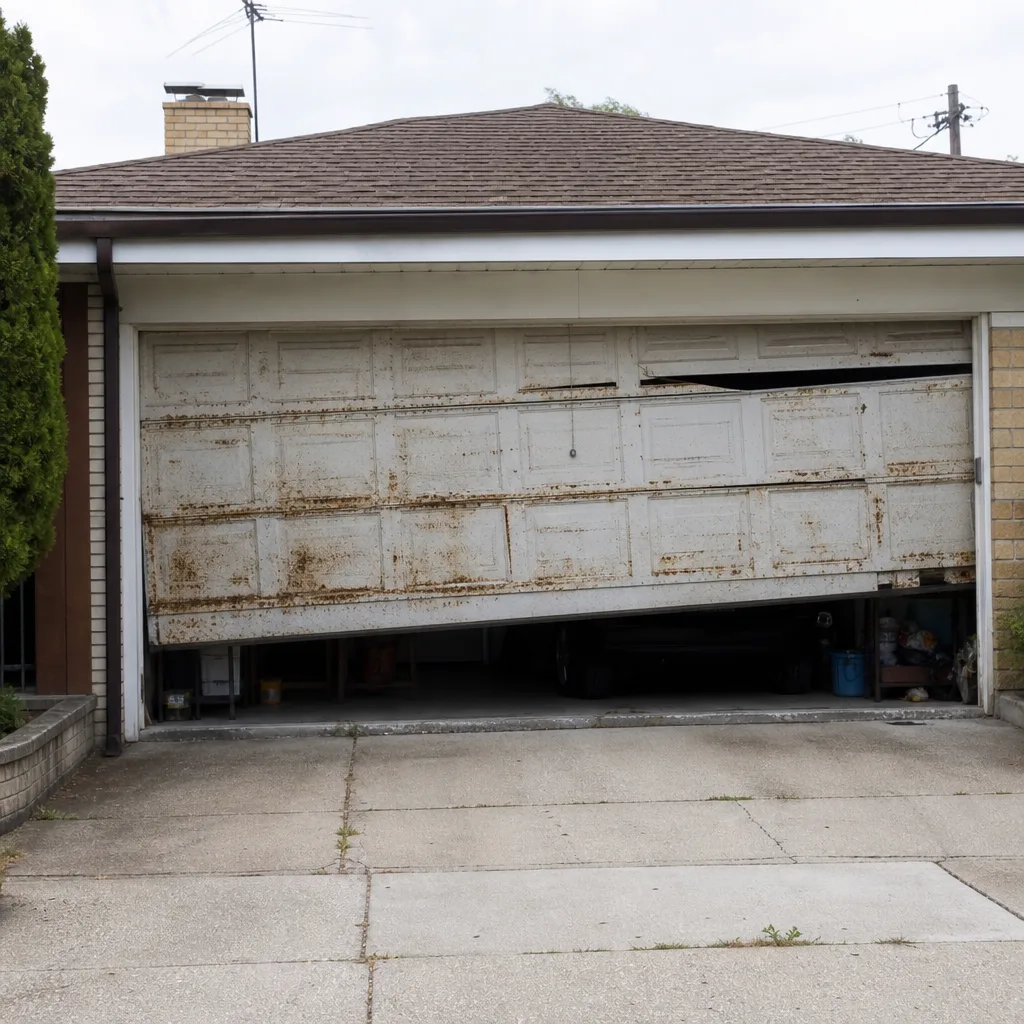 Before
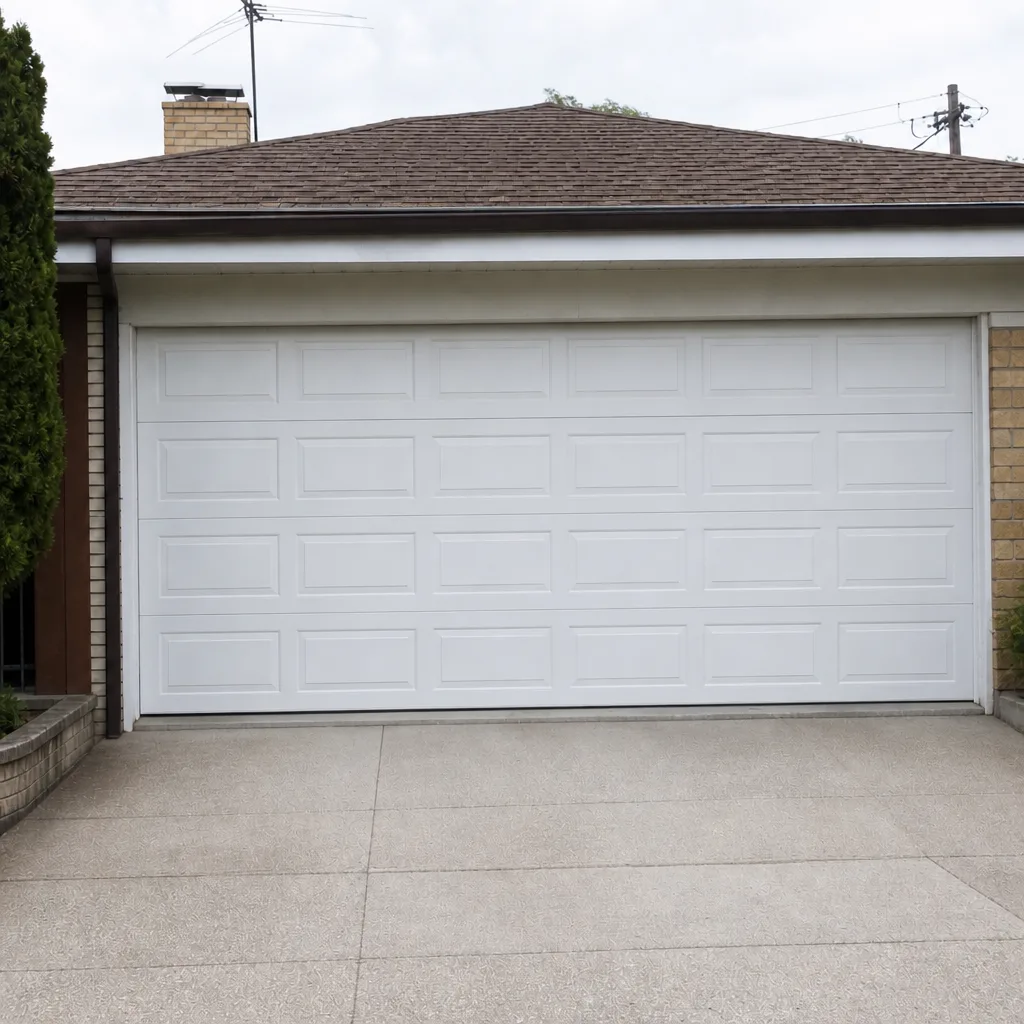 After
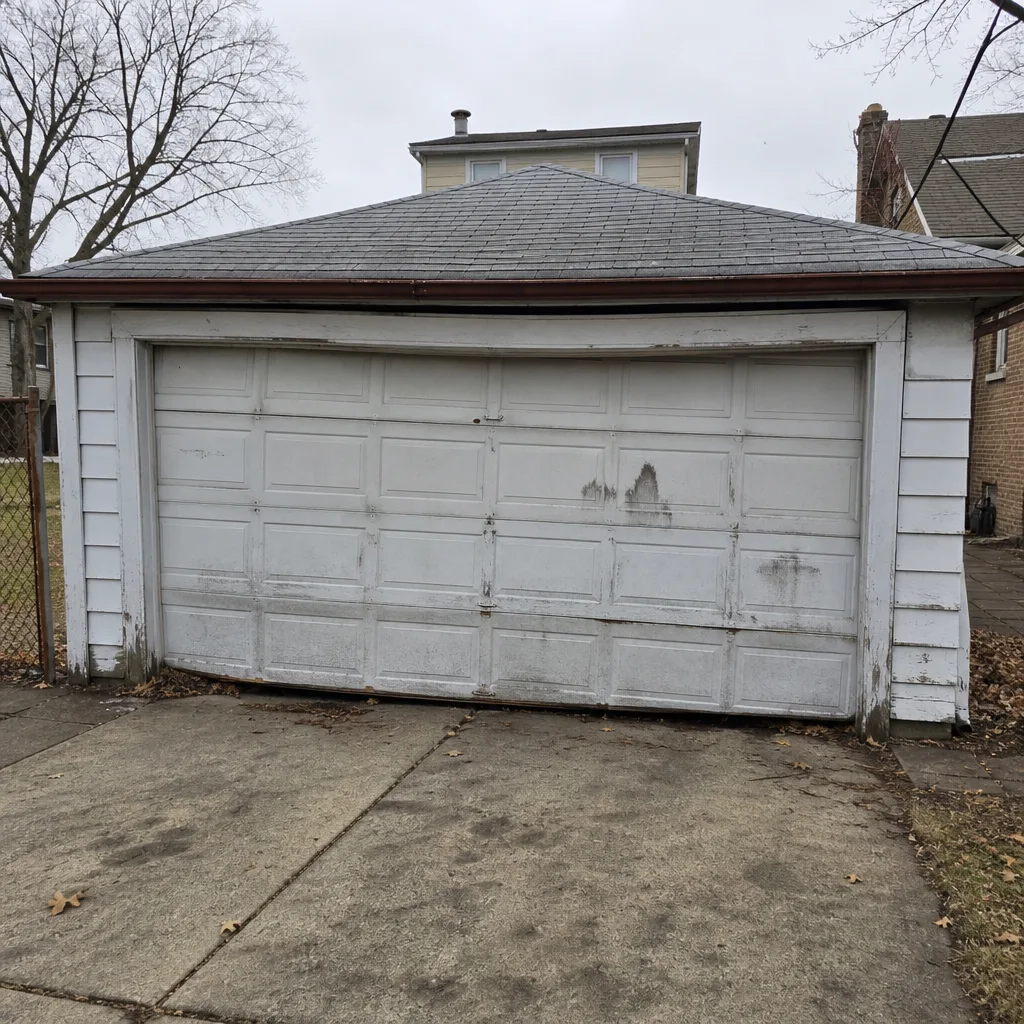 Before
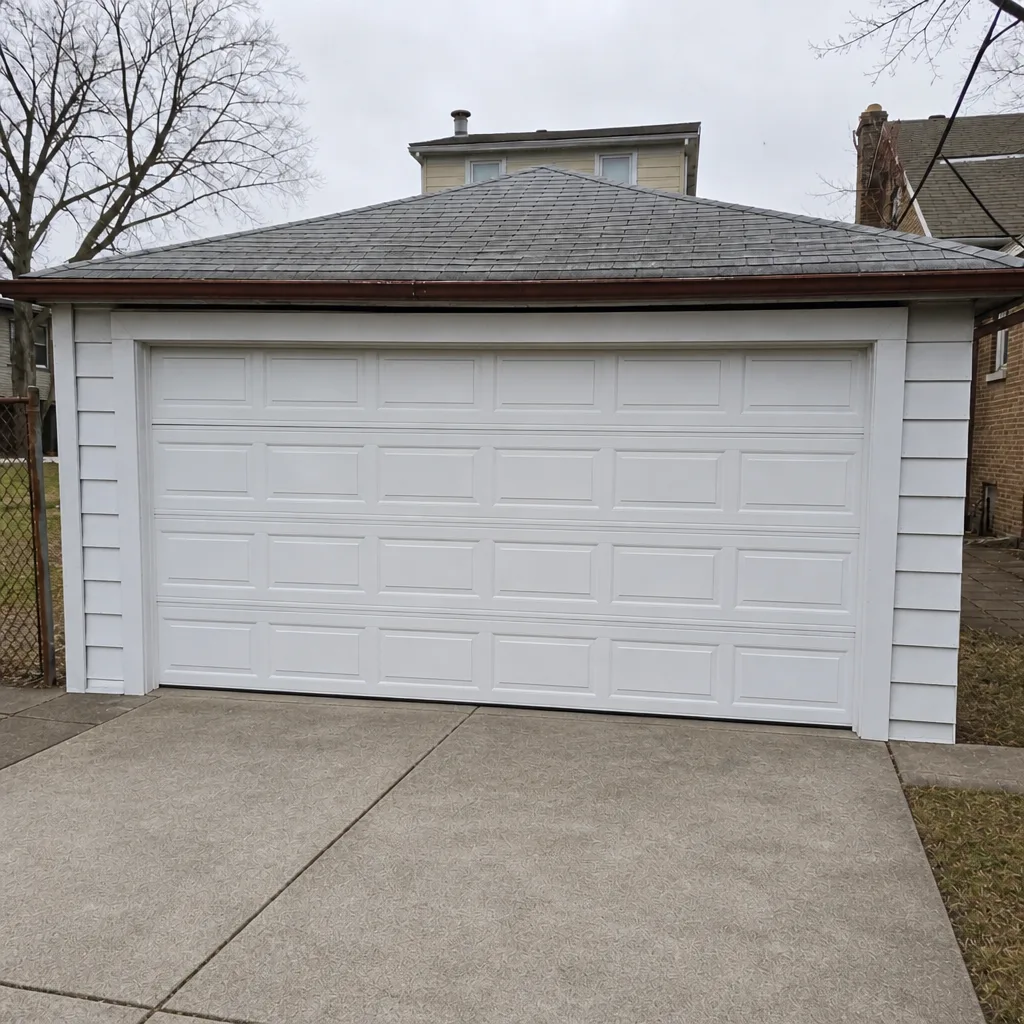 After
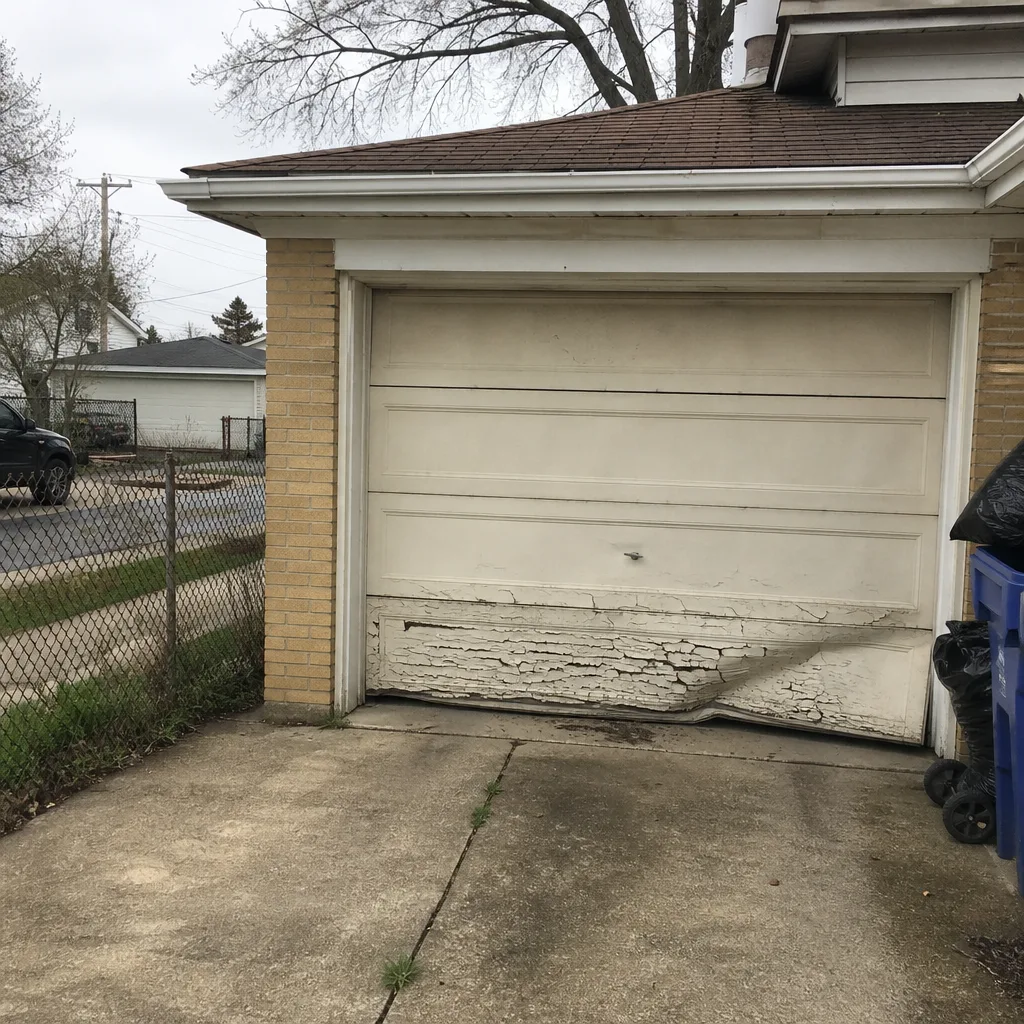 Before
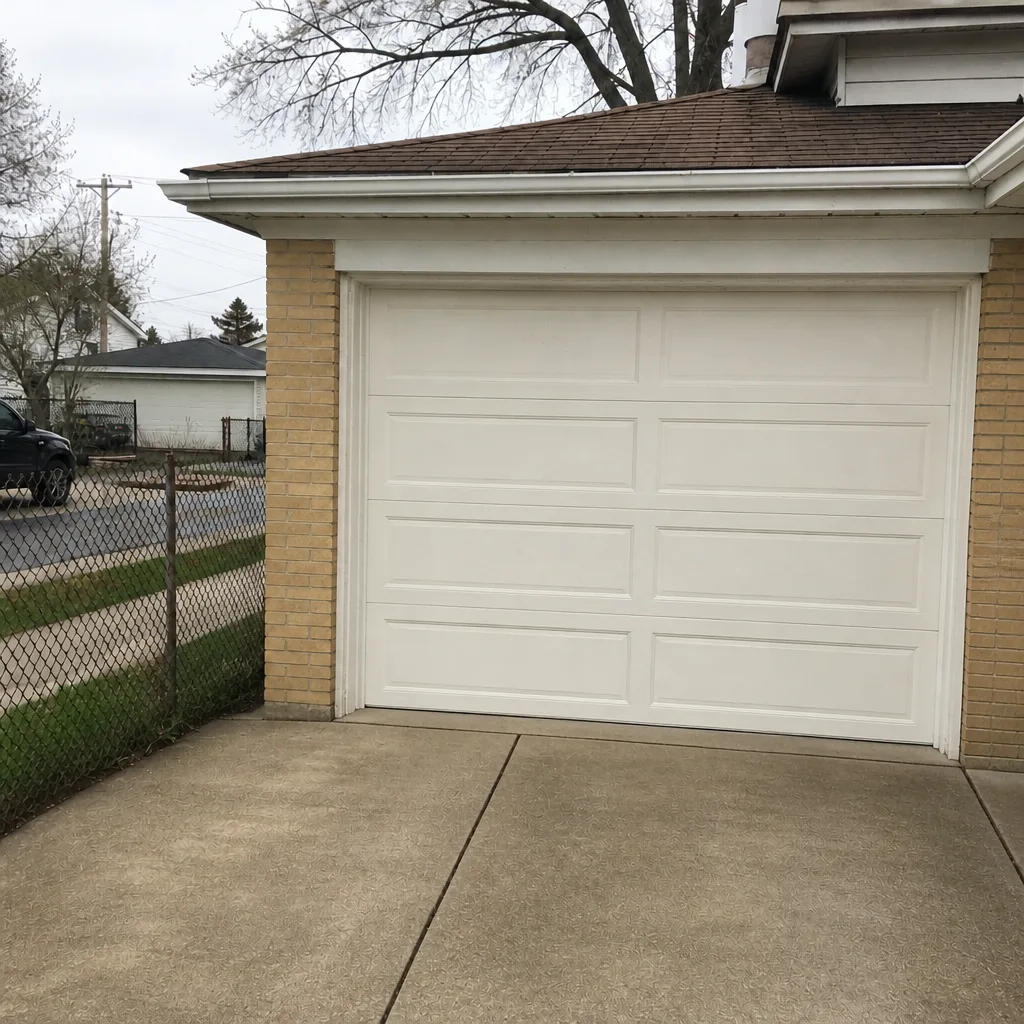 After
When to Call a Professional
Call when the warning sign involves a spring, a cable, the balance of the door, or the safety sensors, and call today. Those are the components where a laid-back approach costs more later, and where a homeowner’s own attempt can hurt them. Call also when the symptom has gotten noticeably worse in a short time, when a door won’t stay put at halfway on the manual release test, or when a visual check shows rust striping on a cable or a gap in a spring coil. At Garage Door Repair Portage Park, we offer free estimates in Portage Park and will tell you honestly whether a symptom can wait. Call (844) 743-1041, and we’ll take the description, match it to the part, and book you the earliest appointment.
Frequently Asked Questions
A door that lifts slowly or hesitates on the way up is the most common early spring symptom. It means the spring has lost tension and the opener is now carrying part of the door’s weight. If you also see a gap in the coil or hear a snap, the spring has failed and the door shouldn’t be operated. Call (844) 743-1041 for a free estimate and don’t run the opener in the meantime.
No. Tracks should stay clean and dry, because grease attracts grit and causes the grinding homeowners are trying to stop. Lubricate the rollers, hinges, and bearings instead, and wipe the tracks down with a dry cloth. If grinding continues after a proper lubricant application, the rollers or track may already be worn and worth a professional look. Call (844) 743-1041 for an estimate.
Pull the manual release and try lifting the door by hand. A door that lifts with modest effort and stays put at halfway means the mechanics are fine and the problem is in the opener. A door that’s heavy, drifts on its own, or drops means the springs are out of balance. Either way, the description tells us where to start, and the estimate is free – call (844) 743-1041.
Cold weather thickens the lubricant in rollers and hinges, so a dry door gets noticeably noisier when the temperature drops. That’s lubrication failure, and it eases as the door warms up. A noise that stays around year-round, or that shows flat-spotted rollers or frayed cables, is genuine hardware wear and needs a repair rather than a greasing. Call (844) 743-1041 if you’re not sure which you have.
It can be. A fine line of rust along part of a cable is often the early stage of strand-level failure, not just surface weathering, and it’s a call-soon situation. Cables are under tension, so don’t try to adjust or inspect them by hand beyond a look from a safe distance. Call (844) 743-1041 for a free estimate and a proper assessment.
No. We repair first and replace only when a repair no longer makes sense. A door that’s showing one worn component is a targeted repair, and we’ll quote the work before it starts. A full replacement is a real conversation only when the door’s structure or the number of failed parts makes repair the less sensible option. Call (844) 743-1041 for a free estimate and an honest read on repair versus replacement.
The Bottom Line
Every garage door failure that matters announces itself before it happens. The slow lift, the grinding roller, the rust stripe on a cable, the winter squeal that never quite goes away – each one points to a specific part, and each one is easier to fix now than after the snap. A Portage Park homeowner who knows the symptom map can describe what’s happening accurately and know which signs are monitor-and-watch and which are call-today. Springs and cables are safety work; never touch a tensioned spring yourself. For everything else, a free estimate costs you nothing and settles the guesswork. Save this guide, check the door once a month, and call us when a symptom changes.
Written by the team at Garage Door Repair Portage Park.