Last updated November 21, 2026
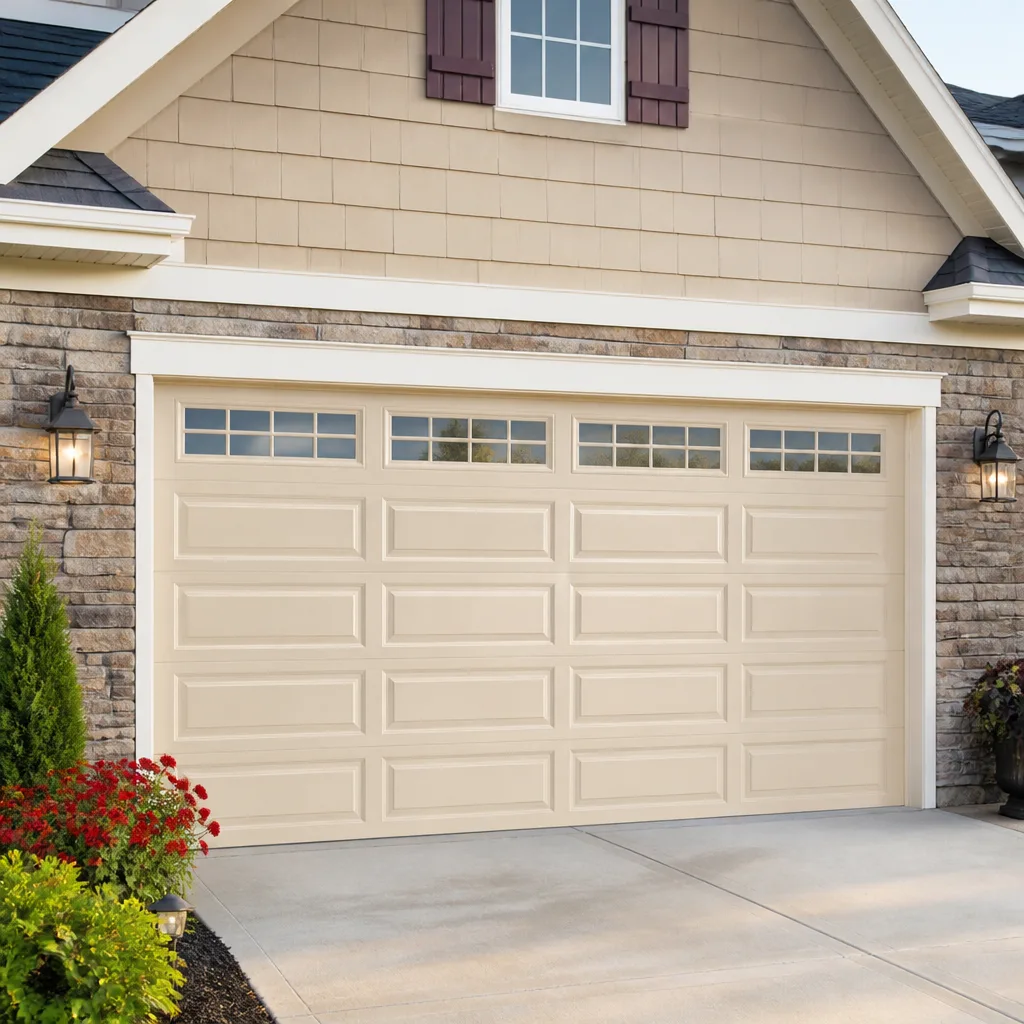 Raised-panel steel
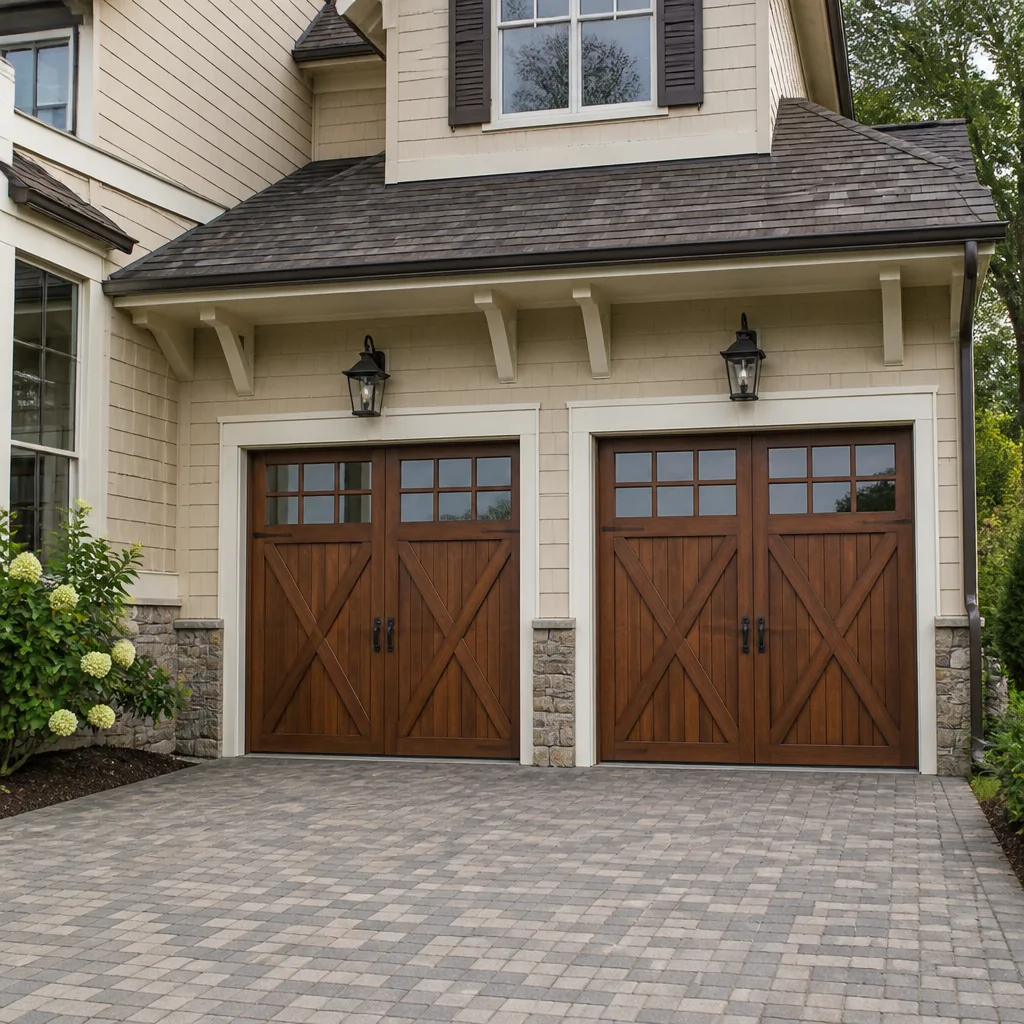 Carriage house
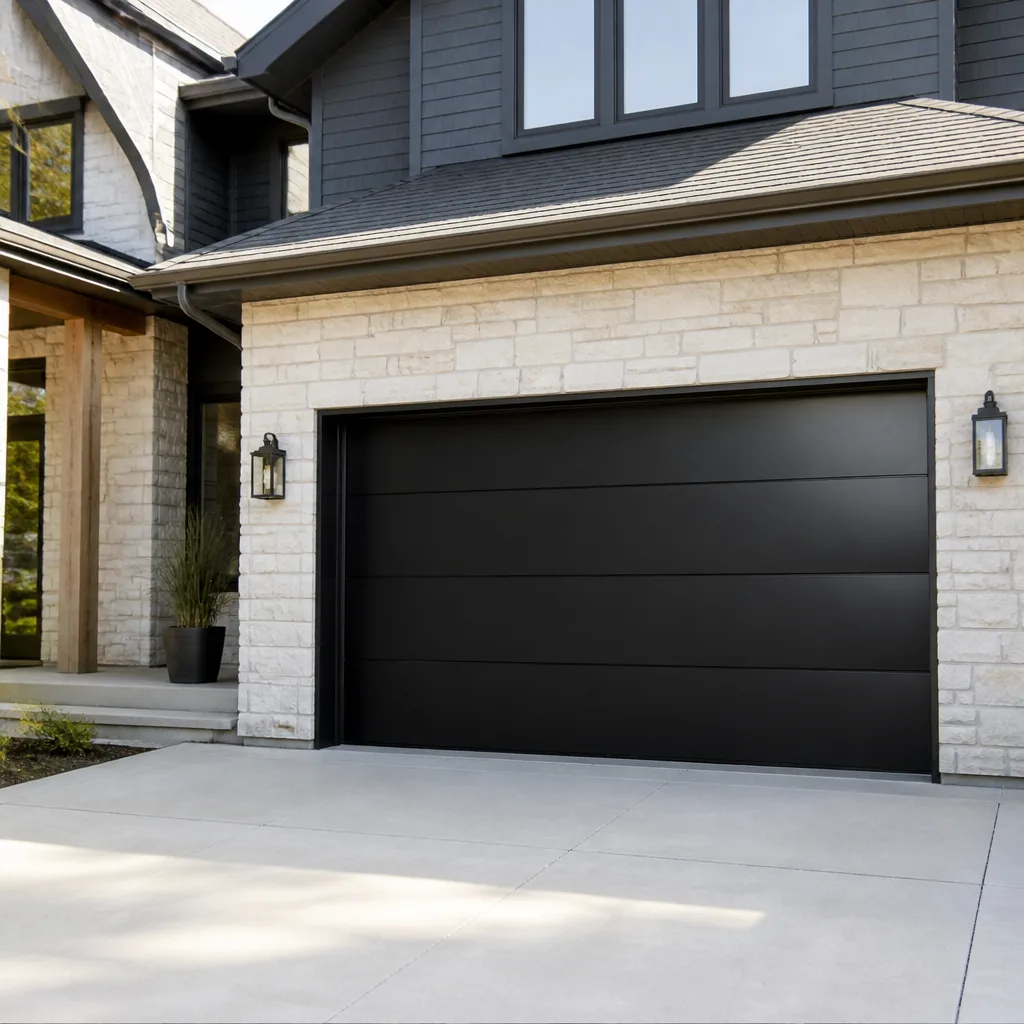 Modern flush
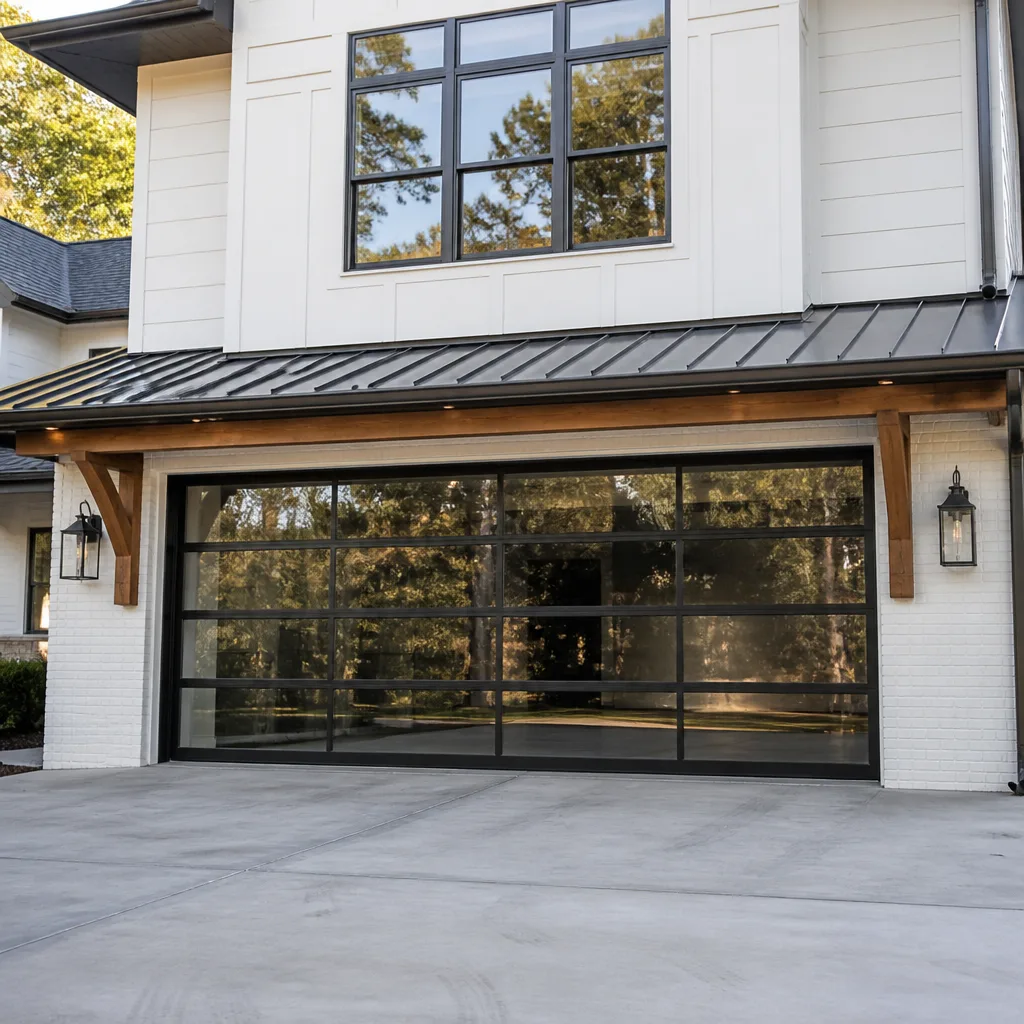 Full-view glass
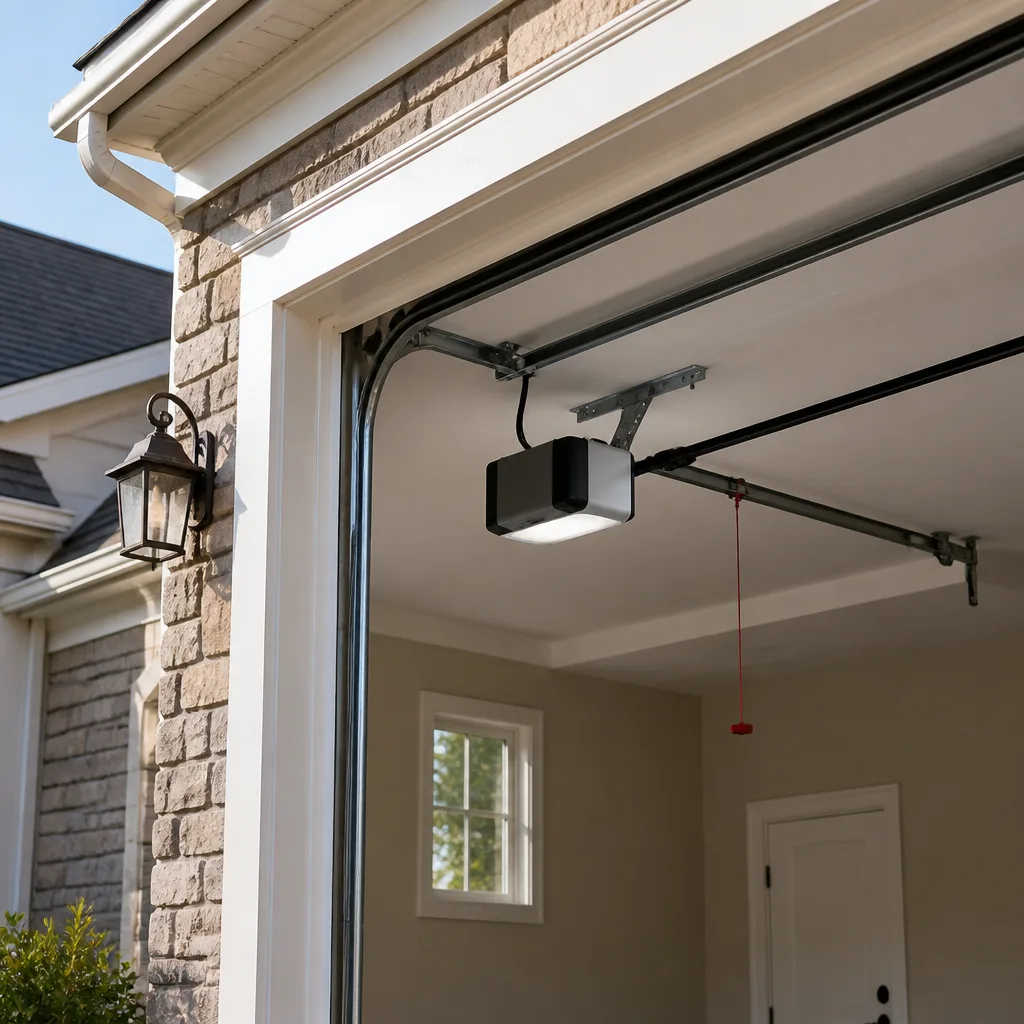 LiftMaster openers
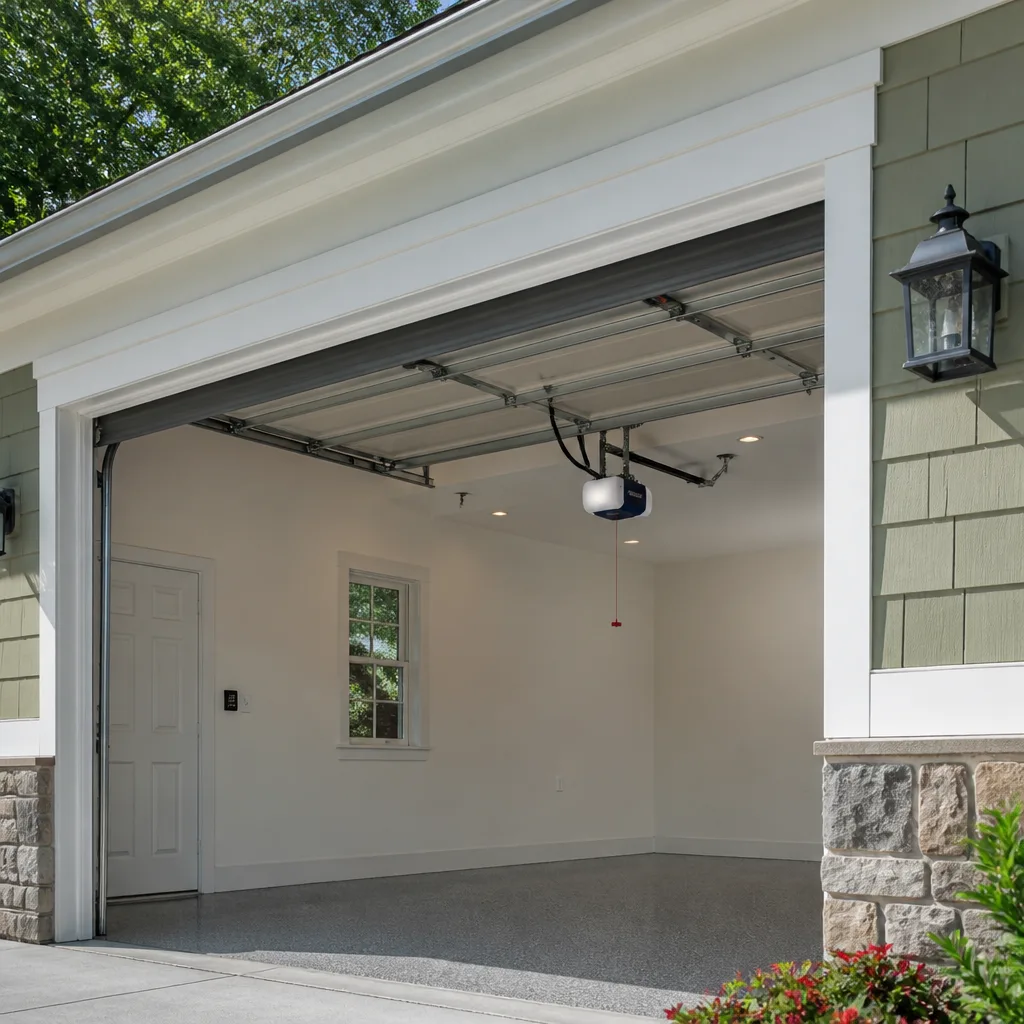 Chamberlain openers
Full 25-point door and opener safety check with every visit - springs, cables, rollers, tracks, and your LiftMaster or Chamberlain opener included
You get a price before we start. It does not change when the pro arrives.
Get your free estimateChoosing the Right Garage Door Brand: A Buyer’s Guide for Portage Park
Most homeowners start their garage door search with appearance, and that’s backwards. The brand with the strongest warranty on paper can still leave you waiting six weeks for a replacement panel if the nearest authorized service dealer is out in Naperville, and that scenario is real with more than one brand commonly sold around Chicago. In a neighborhood where freestanding alley garages take hits from garbage trucks, delivery vans and winter plow spray, parts availability and cold-weather hardware matter far more than a showroom finish. This guide compares the brands we service every day on the criteria that actually count in Portage Park: local parts supply, steel gauge, cold performance, and how the opener in your garage talks to the door.
Quick Answer
The right garage door brand for a Portage Park home is the one whose panels, springs and hardware can be replaced locally within days, not weeks, and whose steel and finish hold up to Chicago’s temperature swings. For most homeowners here, that points to mid-tier steel doors from established manufacturers paired with openers from brands like LiftMaster, Chamberlain or Genie that use widely available parts. Clopay and Amarr are strong picks when you want a broad dealer and parts network behind the door.
Styles & brands we work with
- Raised-panel steel
- Carriage house
- Modern flush
- Full-view glass
- LiftMaster openers
- Chamberlain openers
Table of Contents
- Why Brand Choice Matters More Than Style in Portage Park
- Head-to-Head: Major Brands Scored on Chicago Criteria
- Matching Door Construction to Portage Park Garage Types
- Builder-Grade vs. Mid-Tier: Where the Extra Money Goes
- Opener Compatibility: What Works With What
- How to Evaluate a Dealer’s Brand Recommendation
- The Parts Availability Test
- Door Age: Complicated Signs You Can Still Fix It
Why Brand Choice Matters More Than Style in Portage Park
A garage door is the largest moving object attached to a house, and in Portage Park it takes more punishment than it would in most of the country. The neighborhood’s garages sit along alleys that see delivery trucks, garbage haulers, and the occasional snowplow clipping a panel. Then there’s the climate: the same door has to work at both extremes of a year with 100°F annual temperature swings. Steel expands and contracts, springs cycle under load, and opener electronics face condensation in an unheated garage.
What that means is simple. Aesthetics are a three-month decision. Brand and parts support are a ten-to-twenty-year decision. When a hinge cracks or a bottom section gets dented, the question becomes: can the parts get here before the next cold snap? With the wrong brand, a small repair turns into a long wait, and a door that’s stuck open in a fenced alley is a real security exposure.
We work on your brand across eight major lines, and the difference in local parts support between them is not small. Some manufacturers sell through a dense network of local suppliers and dealer stock. Others push proprietary panels and hardware that have to be ordered from a regional depot. That gap is exactly why this guide scores brands on serviceability first and looks second.
If you’re already dealing with a broken component, the fastest path is usually a straight garage door repair call rather than a brand switch. But when you’re choosing a new door, the brand you pick decides how easy every future repair will be.
What Portage Park homeowners should weigh first
- Parts network density: can a panel or spring arrive in days, not weeks?
- Cold-weather hardware: how the rollers, hinges and springs behave in freezing temperatures.
- Steel gauge: the panel thickness that resists wind and impact damage.
- Opener compatibility: whether your door works with the most common openers in the area.
- Warranty reach: whether the warranty is honored by a service network near you.
Head-to-Head: Major Brands Scored on Chicago Criteria
Brand rankings that ignore your local supply chain are marketing, not guidance. Below is how the door brands we service most stack up on the four criteria that matter on Chicago’s Northwest Side. These are general observations from the work, not a scorecard with invented ratings, and every door still needs to be measured for your specific opening.
Clopay
Clopay offers a wide range of steel gauges and pro-series models, and its dealer and parts network is one of the broader ones, which makes panel matching realistic down the road. Cold performance is solid when the door is properly fitted and the springs are sized to the panel weight. It’s a common pick for Portage Park homes that want a conventional steel door with predictable repair costs.
Amarr
Amarr builds in durable steel gauges with broad dealer support and relatively accessible parts. For homeowners who want the bonus of a locally serviceable door without going to a boutique line, Amarr keeps future repairs simple. Its mid-tier models handle Chicago’s temperature swings well when combined with the right spring setup.
Wayne Dalton
Wayne Dalton’s strength is variety, with models spanning builder-grade to insulated mid-tier. The catch is model-specific parts: some series use proprietary hardware that has to be ordered, which can add a wait. Know which series you’re buying, because two Wayne Dalton doors can have very different serviceability.
Raynor
Raynor is a strong commercial and residential builder with a solid reputation, though its residential dealer presence around the Chicago area is thinner than the biggest consumer names. Check the local service network carefully before committing, since a great door with distant support is the wrong door here.
Openers: LiftMaster, Chamberlain, Genie, Craftsman
The opener side of the system has its own supply chain. LiftMaster and Chamberlain expose compatible parts widely, Genie keeps common wear parts stocked in most areas, and Craftsman has a large installed base with matching parts. Matching a new door to a common opener brand keeps the whole system serviceable.
Quick comparison on Chicago criteria
- Cold-weather hardware: insulated mid-tier steel from Clopay and Amarr tends to hold adjustment best; builder-grade doors from any brand need more frequent tuning.
- Local parts availability: strongest for Clopay and Amarr and for the big opener brands; check series-level parts on Wayne Dalton and dealer presence for Raynor.
- Steel gauge / wind resistance: mid-tier panels in thicker steel gauge resist alley impact and wind better than builder-grade.
- Warranty service network: denser for Clopay and Amarr, wider for LiftMaster and Chamberlain on the opener side.
Matching Door Construction to Portage Park Garage Types
The same door brand can be right for one garage and wrong for another, and Portage Park has an unusually mixed housing stock. A freestanding alley garage, an attached garage, and a converted coach house each load the door differently. That’s a housing fact about the neighborhood, not a claim about any specific property.
Freestanding alley garages
The typical alley garage faces a detached, often unheated structure exposed to plow spray and wind on one full face. Doors here need impact tolerance and reliable cold-weather hardware more than insulation, because a drafty garage rarely benefits from a high R-value model as much as a sealed one. Thicker steel gauge on the bottom section helps against daily knocks.
Attached garages
When the garage shares a wall with the home, insulation and door sealing matter more: a well-insulated door and a tight perimeter reduce drafts into the living space. A mid-tier insulated steel door from a manufacturer with good local parts support is the sensible fit. Colder air moving over an unsealed threshold is a comfort problem you can feel in the house.
Converted coach houses and tight openings
Older structures often have non-standard headroom or a low clearance above the opening, which limits spring options and may require a low-headroom door or opener. Confirm clearances with a real measurement before any brand is chosen, because a standard panel won’t fit a space that needs a special track system.
How to match the door to the structure: a 4-step sequence
- Measure the opening and the headroom. Width, height and the space above the door frame set which brands and spring types will work.
- Identify the loads. Is the door exposed to wind and alley traffic, or sheltered and attached? That drives steel gauge and insulation choices.
- Check the opener. A new door’s weight has to match the opener’s capability or you’ll overload a system that’s fine for a lighter door.
- Confirm parts support. Before you choose the model, confirm the brand and series have accessible local parts where you live.
Builder-Grade vs. Mid-Tier: Where the Extra Money Goes
The jump from builder-grade to mid-tier is often the most consequential decision in the whole purchase, and it’s where homeowners get talked into the wrong savings. Builder-grade doors are lighter steel, thinner springs, fewer cycles of hardware life, and less sealing. Mid-tier doors cost more up front but change how long the door lasts and how often you’re paying for repairs. In a climate with a 100°F annual swing, that gap shows up fast.
Here’s what the additional cost actually buys, in plain terms:
- Steel gauge: heavier panels resist dents and wind, and hold their finish longer.
- Spring quality and cycle life: a stronger spring is rated for more open-close cycles, so it lasts far longer before replacement.
- Insulation and sealing: mid-tier insulated doors keep wind and cold out, which matters more on an attached garage.
- Hardware and rollers: better rollers and hinges don’t sag or seize as quickly in cold weather.
- Fewer emergency calls: better components tend to fail less, and fail when you can plan for it, not on the coldest morning.
When a builder-grade door needs a repair, we don’t automatically quote a replacement. Repair first, replace only when it makes sense is the honest order. The extra cost of a mid-tier door only pays back if the door is really the weak link; often a single worn spring or a bent section is the whole problem. If you’ve reached the point where the door is the limit, a proper garage door installation with a mid-tier model is a smarter spend than patching a failing builder-grade system every season.
Our technicians have up to 12 years of experience, and in that time the pattern is consistent: builder-grade doors aren’t bad doors, they’re simply built to a budget, and a Portage Park winter finds the limits of that budget.
Opener Compatibility: What Works With What
The door and the opener are one system, and choosing a door that doesn’t match your opener is one of the most avoidable mistakes. The good news is that most door brands work with the most common openers, but the details matter. Opening electronics, safety sensors, and the strength needed to haul the door’s weight are all part of the decision.
Which door manufacturers pair cleanly with the most-installed openers in the area? In practice, doors from Clopay, Amarr and similar mid-tier steel lines work well with LiftMaster, Chamberlain, Genie and Craftsman openers, because the door’s balance and travel are arithmetic, not proprietary. Where proprietary parts enter is on openers with unique rail designs or on doors with unusual track systems.
Common compatibility scenarios
- LiftMaster and Chamberlain: extensive parts availability and smart-home features that keep the system serviceable as you upgrade. Works with most standard sectional doors.
- Genie: solid legacy and smart-opener coverage; common wear parts are accessible.
- Craftsman: a very large installed base, so replacement parts and knowledge are easy to find.
- Proprietary setups: some doors and openers use unique hardware; verify before ordering so you’re not stuck.
If the opener is failing, it’s usually cheaper to repair it than replace the door. That’s a garage door opener repair conversation, and the technician should know whether your LiftMaster or Genie is fixable on the spot or needs parts. Get the part, skip the wait is the goal: genuine parts supplied directly cut the delay that turns a one-visit repair into a multi-week saga.
If your opener is a smart-home model, confirm the door weight will be within the opener’s capacity before the panels go up. A door that’s too heavy for the opener is a problem that shows up as a strain on the motor, not on the door itself.
How to Evaluate a Dealer’s Brand Recommendation
A dealer recommending a brand is doing you a service or steering you, and it’s usually hard to tell which. Homeowners should ask questions that reveal whether the dealer is recommending what’s stocked versus what actually fits the home. Here are the ones worth asking before you sign anything, plus what a straight answer sounds like.
The 8 questions to ask
- “Which brands do you stock, and which can you order?” A straight answer separates convenience for the dealer from what’s right for you.
- “Is the panel for this specific model easy to get in this area?” If the answer is vague, that’s a warning.
- “Does the price cover delivery, old-door removal and disposal?” These can add real money if they’re extra.
- “What’s the warranty, and who honors it locally?” A warranty is only useful if someone nearby will service it.
- “Why this model for my garage type?” The answer should reference your structure, not a promo.
- “Can you repair what I have instead?” If the first answer is always “new door,” be careful.
- “Is this quote in writing, with the final price?” The price is quoted and agreed before any work starts.
- “Will you show me the parts source?” Genuine parts with a traceable source are what you want.
We name our brands up front because we work on your brand across eight major lines, and we’d rather you ask “why this one” than wonder. If a dealer won’t answer the parts-availability question, that’s your signal to get a second quote.
The Parts Availability Test
A brand’s parts network decides whether a one-day repair turns into a three-week wait. The test is simple: find out, before you buy, how a replacement panel or spring for that exact model gets to your garage. This is the single most local fact in a garage door purchase, and it’s the one most buyers forget to check.
How the parts test works
- Name the model, not just the brand. Within a brand, parts availability varies widely by series.
- Ask who supplies the replacement panels. A local supplier or dealer stock is ideal; a distant regional depot means a wait.
- Ask about spring and hardware stock. Springs should be size-on-file so a replacement is a single visit.
- Ask about opener parts. LiftMaster, Chamberlain, Genie and Craftsman should have common parts nearby.
- Ask how long a typical part takes to arrive. Days versus weeks is the whole decision in one number.
We supply genuine parts directly, which is what keeps a repair to one visit rather than a return trip. In a neighborhood where a bent bottom panel from an alley knock can mean a door that no longer seals, waiting six weeks for a proprietary part is the wrong outcome. The door that fits Portage Park is the one you can keep working.
This is also why general handymen can be the wrong call for a garage door. They may handle the general repair but not the brand-specific parts, so you end up making two calls to two trades. One system, one call is the point.
Door Age: Complicated Signs You Can Still Fix It
The easiest thing to skip in a brand decision is the door you already have. Many Portage Park doors that look old are actually fixable, and a full replacement isn’t the only honest answer. Signs like a sagging door, a noisy open, or a misaligned track can often be traced to worn components rather than structural failure.
- Noisy, juddering operation: often worn rollers and hinges, not a failing panel.
- Door that reverses or won’t close: frequently a safety sensor or opener issue, not the door.
- Uneven lift or a gap at the bottom: a sign the spring balance is off, which is a spring repair question.
- Dents and scratches: cosmetic damage is often a panel or hardware fix, not a new door.
- A door that needs constant adjustment: the point where a mid-tier replacement starts to make sense.
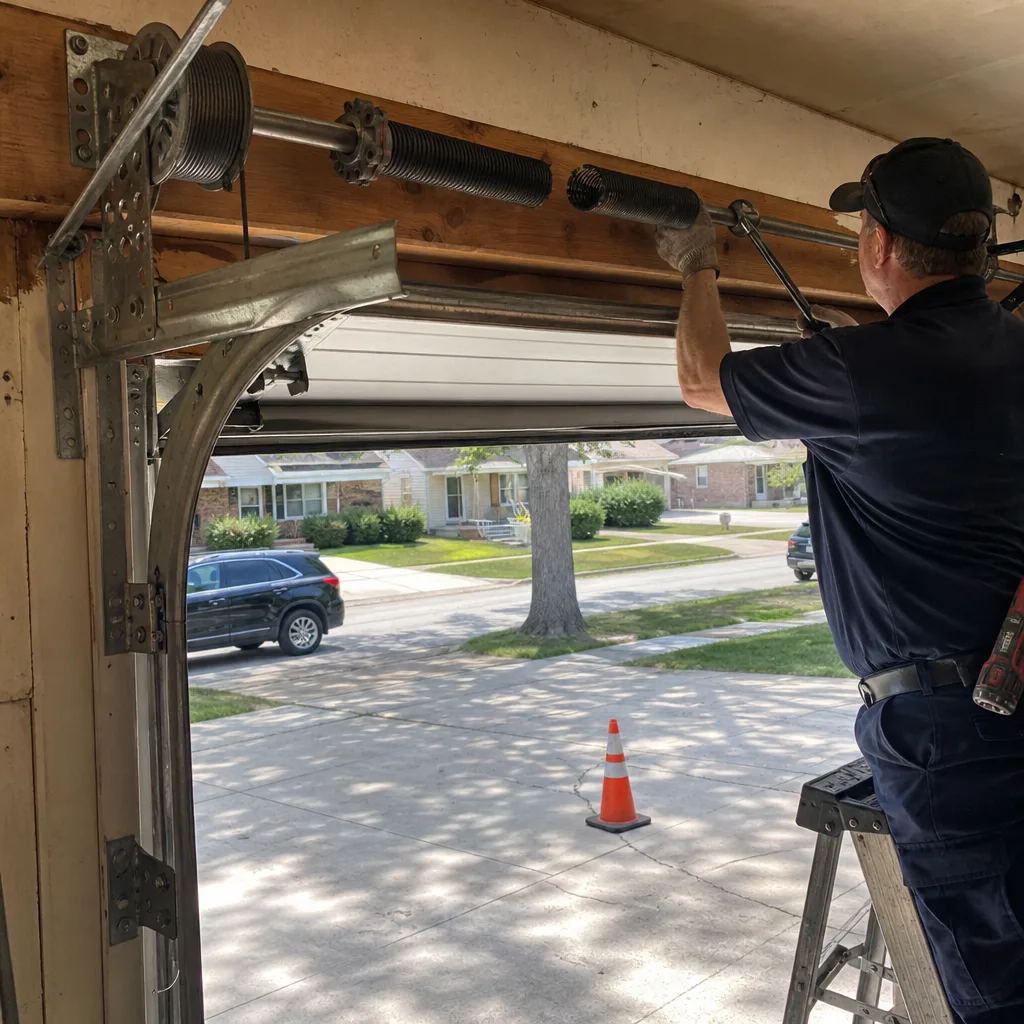
The spring side deserves its own warning. Torsion and extension springs are under heavy load and can cause serious injury if handled wrong, so this is safety work, not a weekend project. Our technicians service springs as a dedicated, safety-critical discipline and will tell you when a repair is the sensible answer and when the hardware is simply worn out. Before you order a brand-new door, it’s worth asking whether a targeted repair gets you another decade. A quick call to Garage Door Repair Portage Park can answer that.
One more local consideration: the Portage Park housing stock includes coach houses and garages built to old dimensions, so the door you replace may need a made-to-measure fit rather than an off-the-shelf model. Confirm the exact opening before committing to any brand.
Common Mistakes to Avoid
- Choosing the door brand by showroom looks alone. A beautiful finish won’t help you when the panel can’t be sourced locally. Score parts support before style.
- Buying on warranty length without checking the service network. A warranty that requires a dealer far from Portage Park is a promise you can’t use. Ask who honors it nearby.
- Ignoring the opener when replacing the door. A heavier door on a strained opener becomes a motor problem. Match the two before you buy.
- Defaulting to builder-grade to save a little. In a climate with a 100°F swing, thinner springs and hardware cycle out faster. That “savings” can come back as repairs.
- Letting a dealer drive the brand choice without asking why. If they won’t explain the fit for your structure and parts availability, get a second quote.
- Accepting an open-ended price. The price is quoted and agreed before any work starts. Get it in writing.
- Assuming every door needs replacing. Worn rollers, a faulty sensor or a tired spring is often a repair, not a new door.
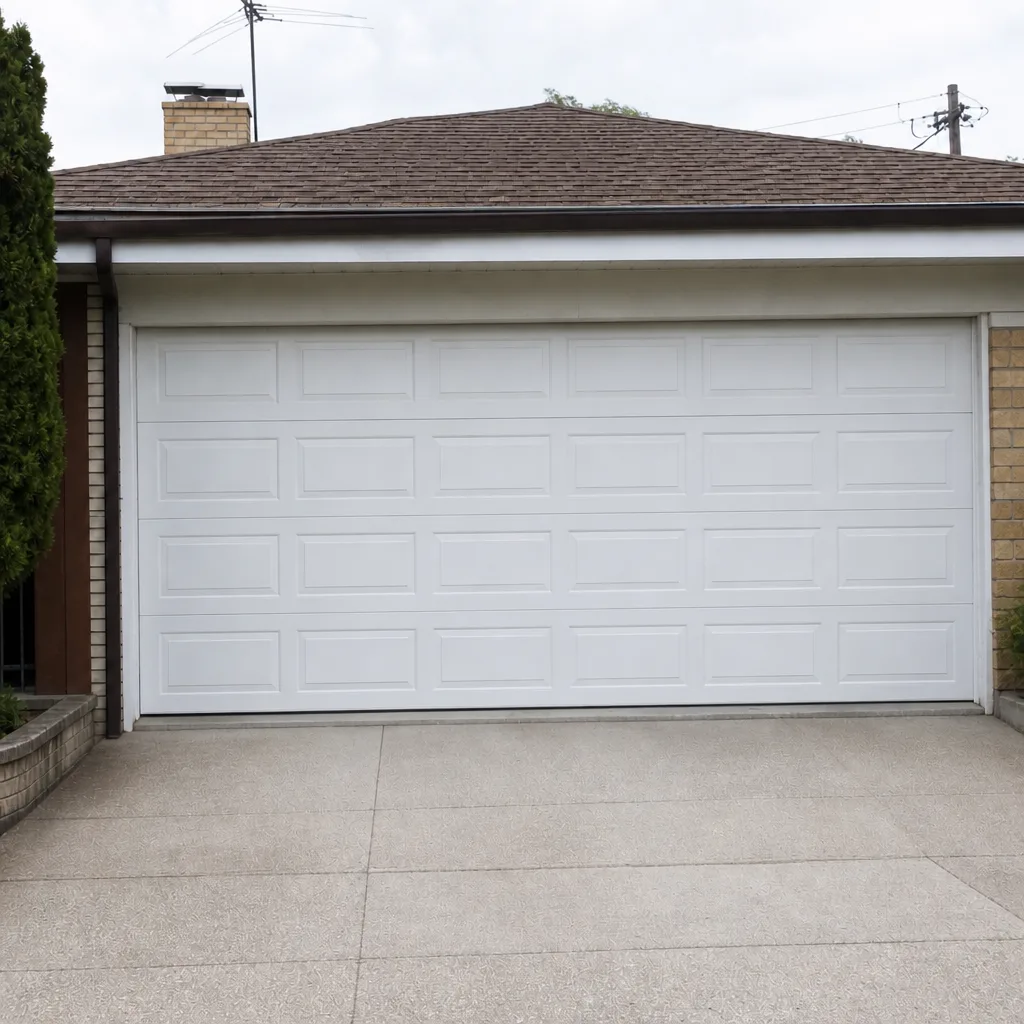
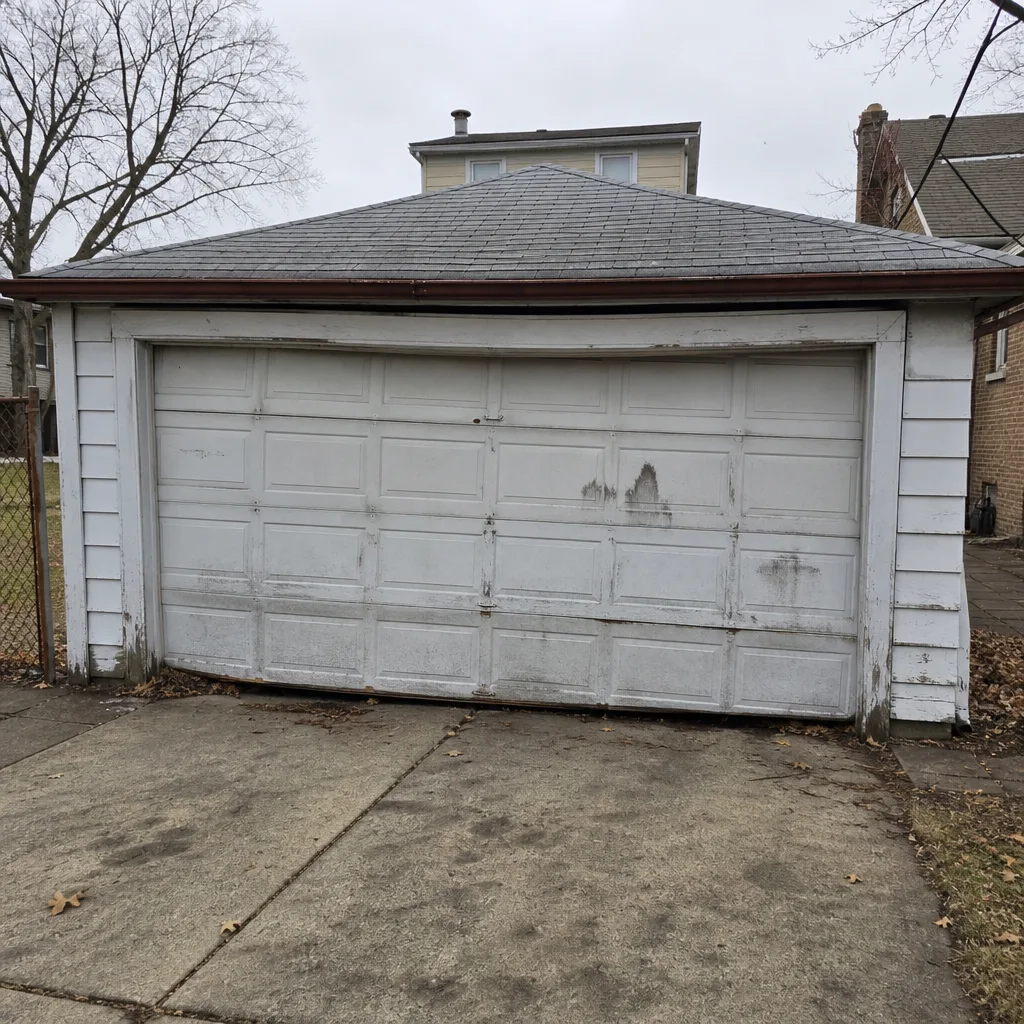
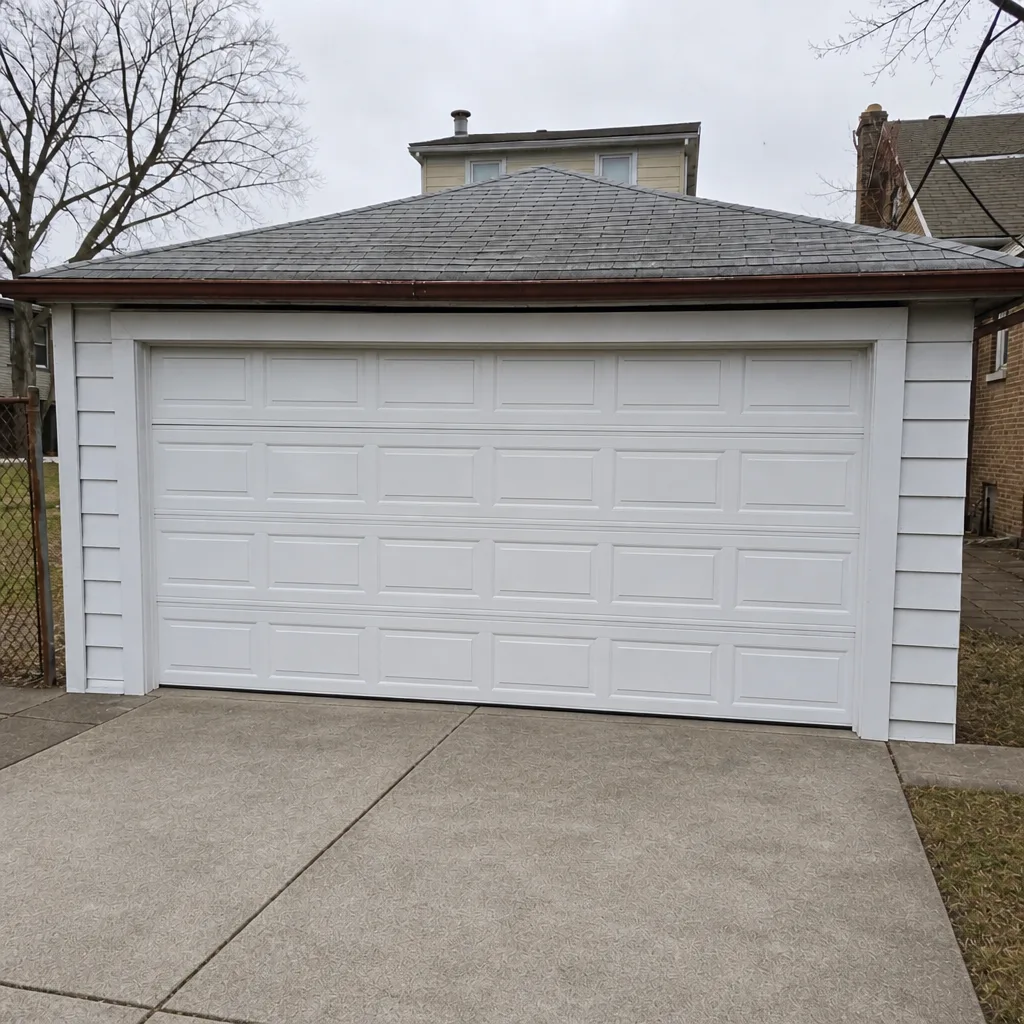
See the difference
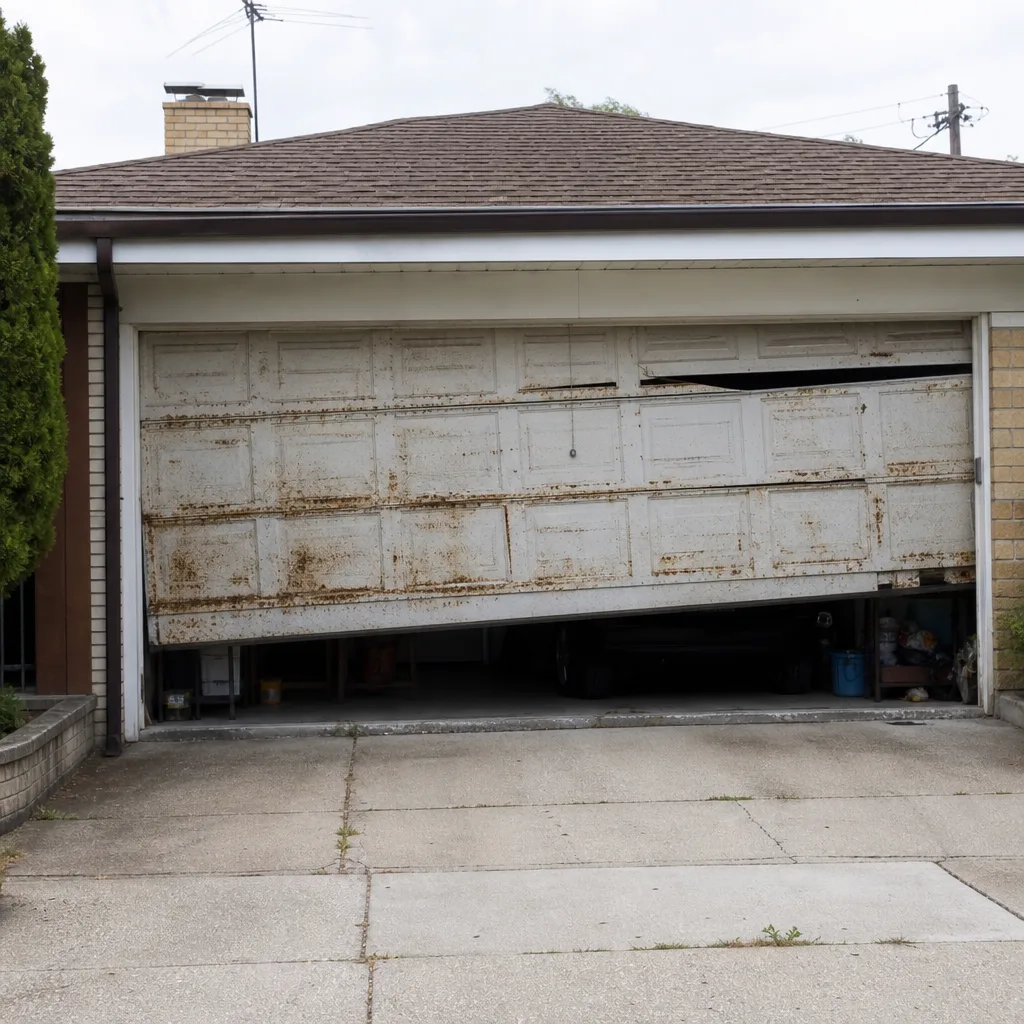 Before
 After
 Before
 After
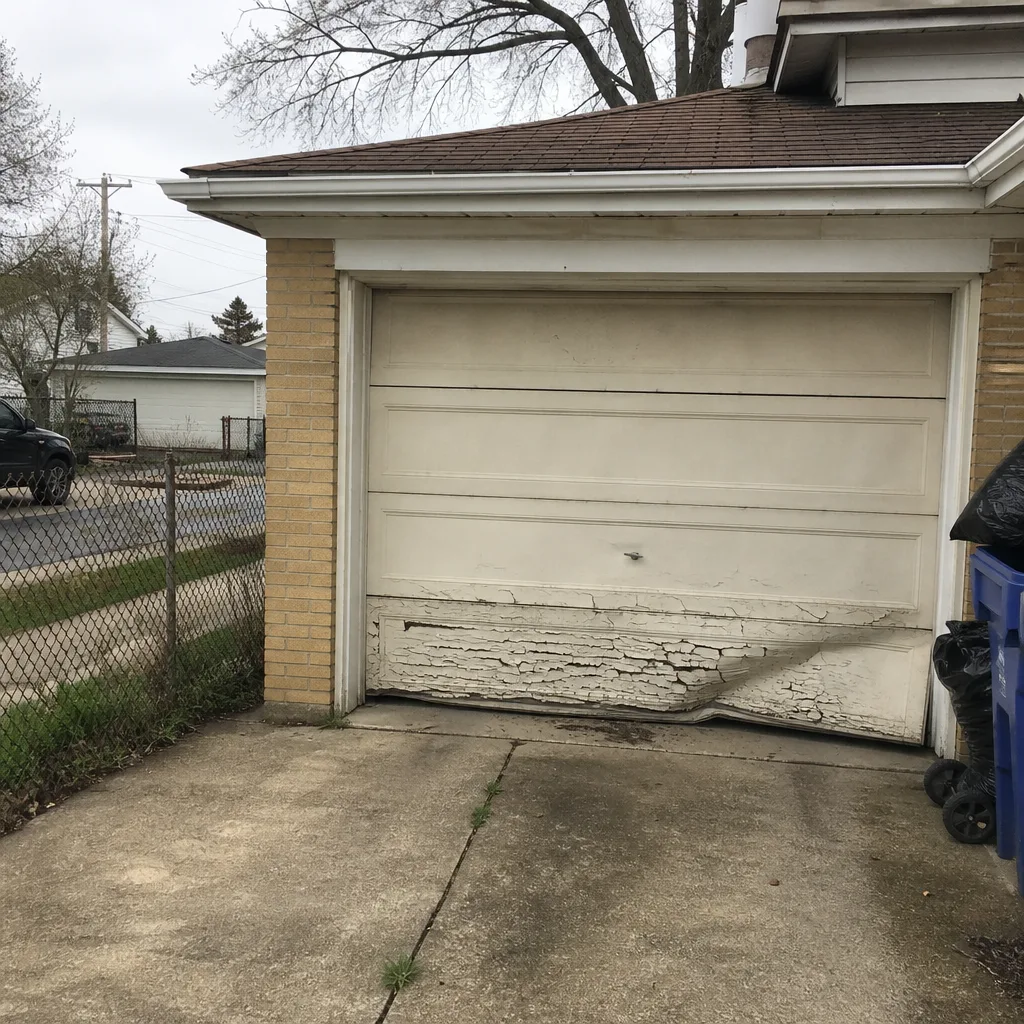 Before
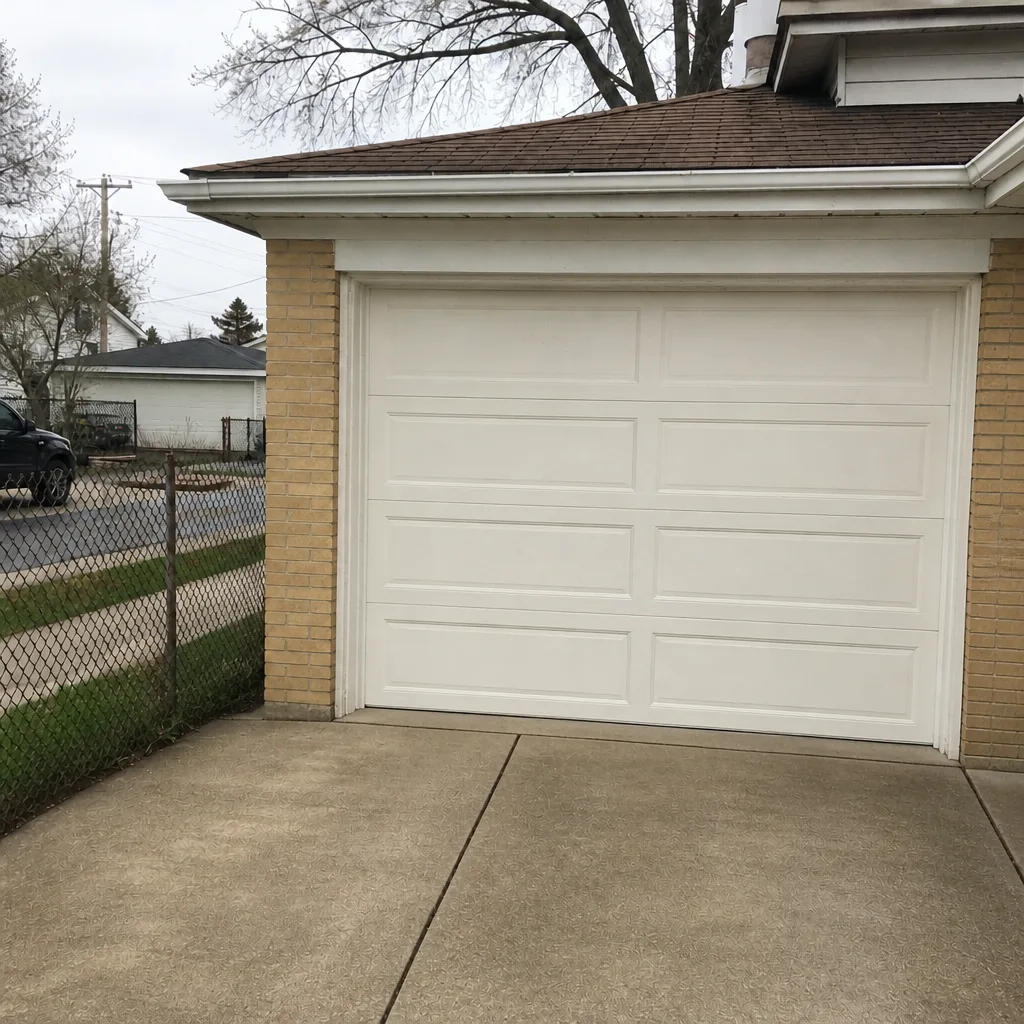 After
When to Call a Professional
Some brand questions can be answered by research. Others need a trained eye on your actual door. Call a professional when:
- The spring has snapped or the door won’t lift, since spring repair is safety-critical work.
- You’re deciding between repair and replacement and want an honest read on the door’s condition.
- Your door needs a size that doesn’t match a standard model.
- The opener is failing, reversing, or can’t carry the weight of a new door.
- You want a specific brand checked for local parts support before you commit.
Garage Door Repair Portage Park offers free estimates in Portage Park – call (844) 743-1041 to talk through your brand, your garage type, and what a written price would look like.
Frequently Asked Questions
The best brand for Portage Park is one with strong local parts support and cold-weather performance, which often points to Clopay or Amarr on the door side and LiftMaster or Chamberlain on the opener side. Look at the model and series first, since parts availability varies within each brand. Call (844) 743-1041 for a free estimate on your specific garage.
Yes. Brands with heavier steel gauge, better spring cycle life and accessible parts tend to hold up longer through Chicago’s temperature swings. Builder-grade doors from any brand will need more frequent adjustment. The right model for your garage type matters as much as the brand name.
LiftMaster, Chamberlain, Genie and Craftsman openers work with most standard sectional doors from Clopay, Amarr and other major manufacturers. Compatibility is usually about door weight and travel, not proprietary electronics. Confirm the opener can handle the new door’s weight before ordering. Call (844) 743-1041 and we’ll check the match.
Usually not. A bent bottom section is often a panel or hardware repair, not a full replacement. Replacement only makes sense when the door’s springs and hardware are worn out too. We repair first and recommend replacement only when it’s the better call.
Sometimes, but they often can’t source the brand-specific parts, which turns one repair into multiple visits. A specialist who works across the major brands and supplies genuine parts keeps it to a single visit. That difference matters most with panels and openers that need model-specific parts.
Ask which model they recommend and why it fits your garage type, then ask how quickly a replacement panel would arrive. A dealer recommending what fits your structure and your parts network is giving you a straight answer. If the fit and parts questions get vague, get a second quote.
Spring failure often comes with a loud bang, but it can also happen quietly while the door sits. Springs are under heavy load and can cause serious injury, so leave replacement to a trained technician. Call (844) 743-1041 if your door has stopped lifting.
The Bottom Line
Choose a garage door brand by asking how it will be serviced five and ten years from now, not just how it photographs on day one. In Portage Park, that means prioritizing local parts availability, heavier steel gauge and cold-weather hardware, and matching your door to the opener you already have. Mid-tier doors from Clopay or Amarr paired with LiftMaster, Chamberlain or Genie openers usually give the best balance of serviceability and durability. Repair first, replace only when it makes sense, and always get the price in writing before work starts.
Contact
Ready to sort out the right brand for your garage? Call Garage Door Repair Portage Park at (844) 743-1041 for a free estimate. We’ll look at your door, your garage type and your opener, recommend the brand and model that fits, and give you a written price before any work begins.
Written by the team at Garage Door Repair Portage Park.