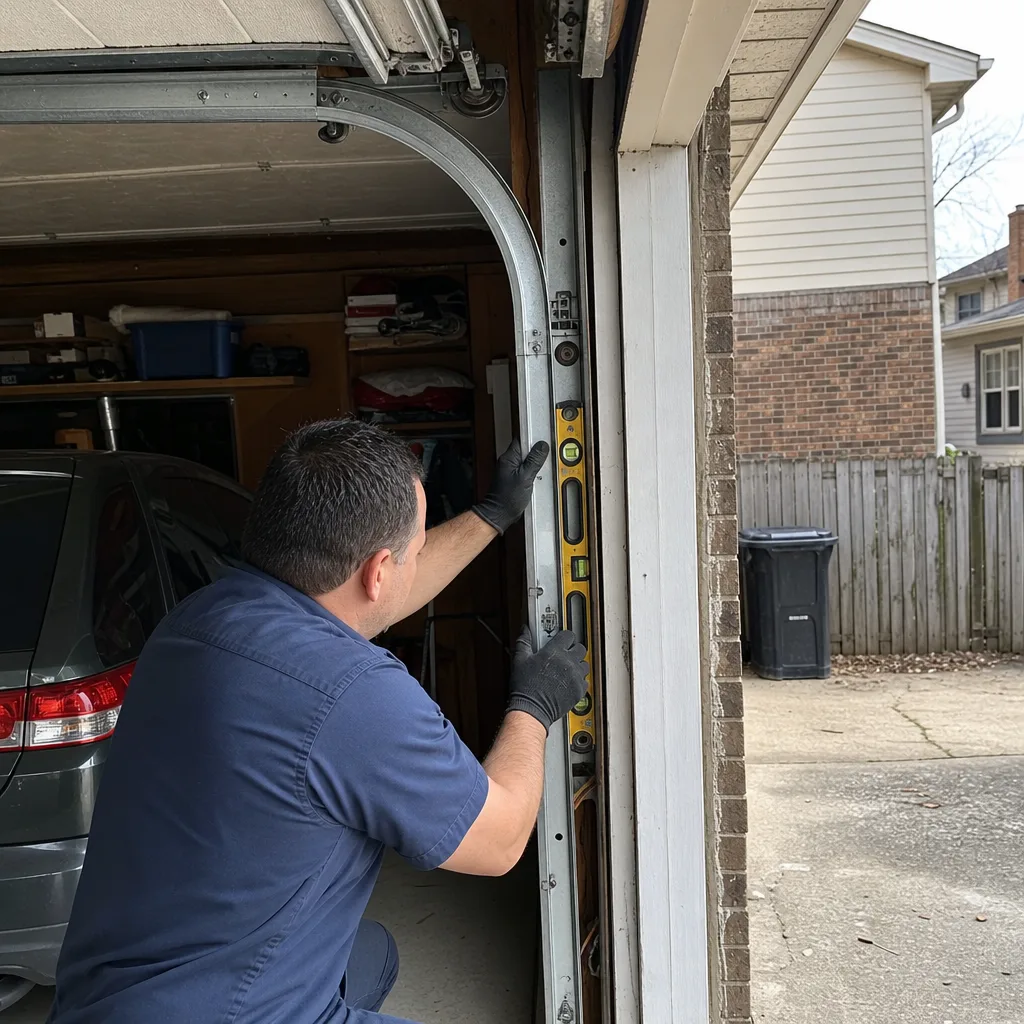
Last updated November 21, 2026
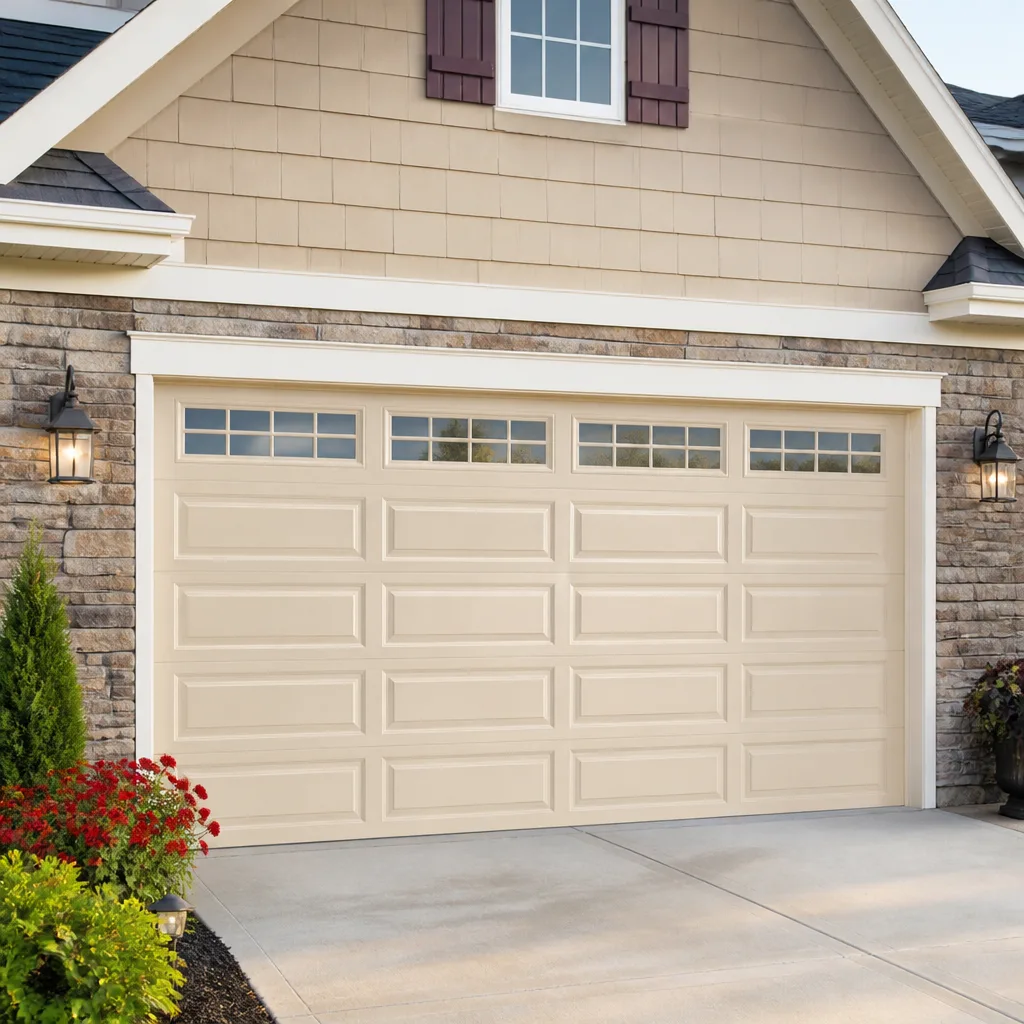 Raised-panel steel
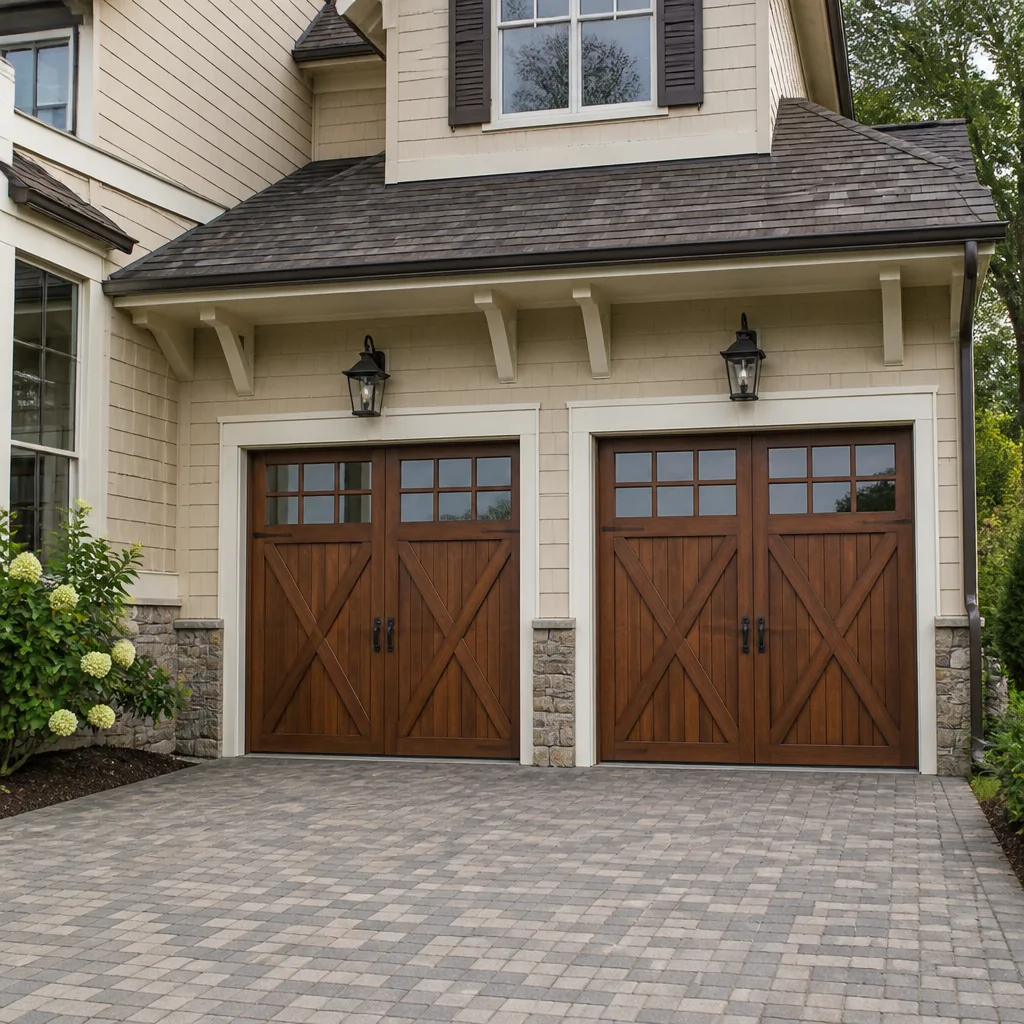 Carriage house
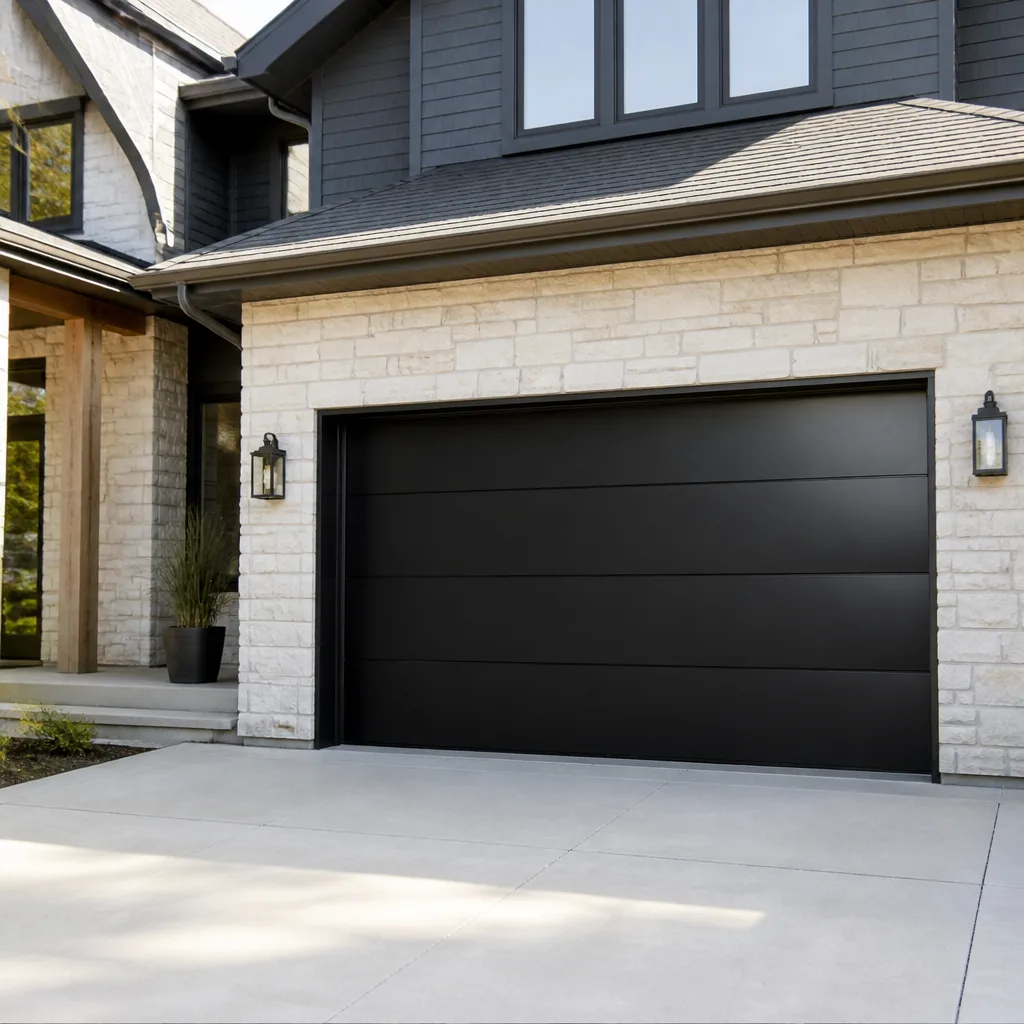 Modern flush
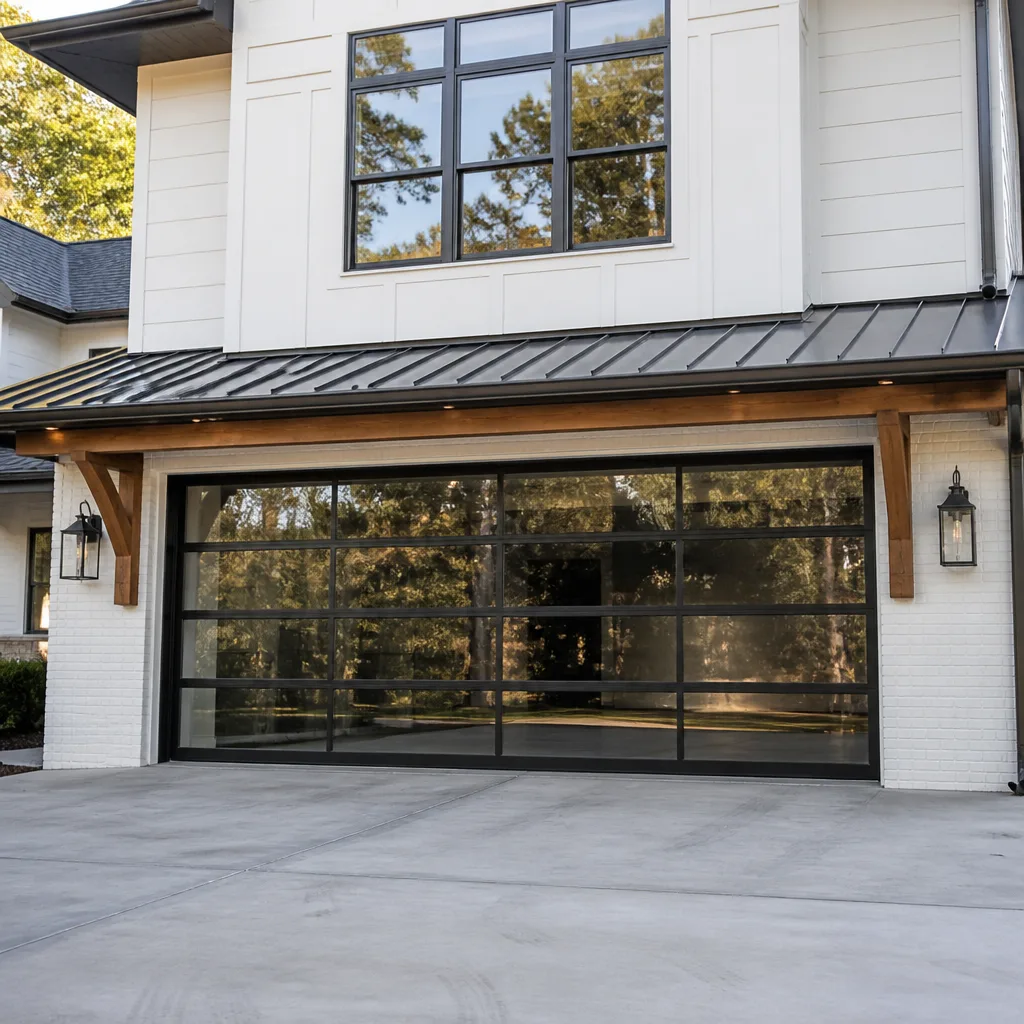 Full-view glass
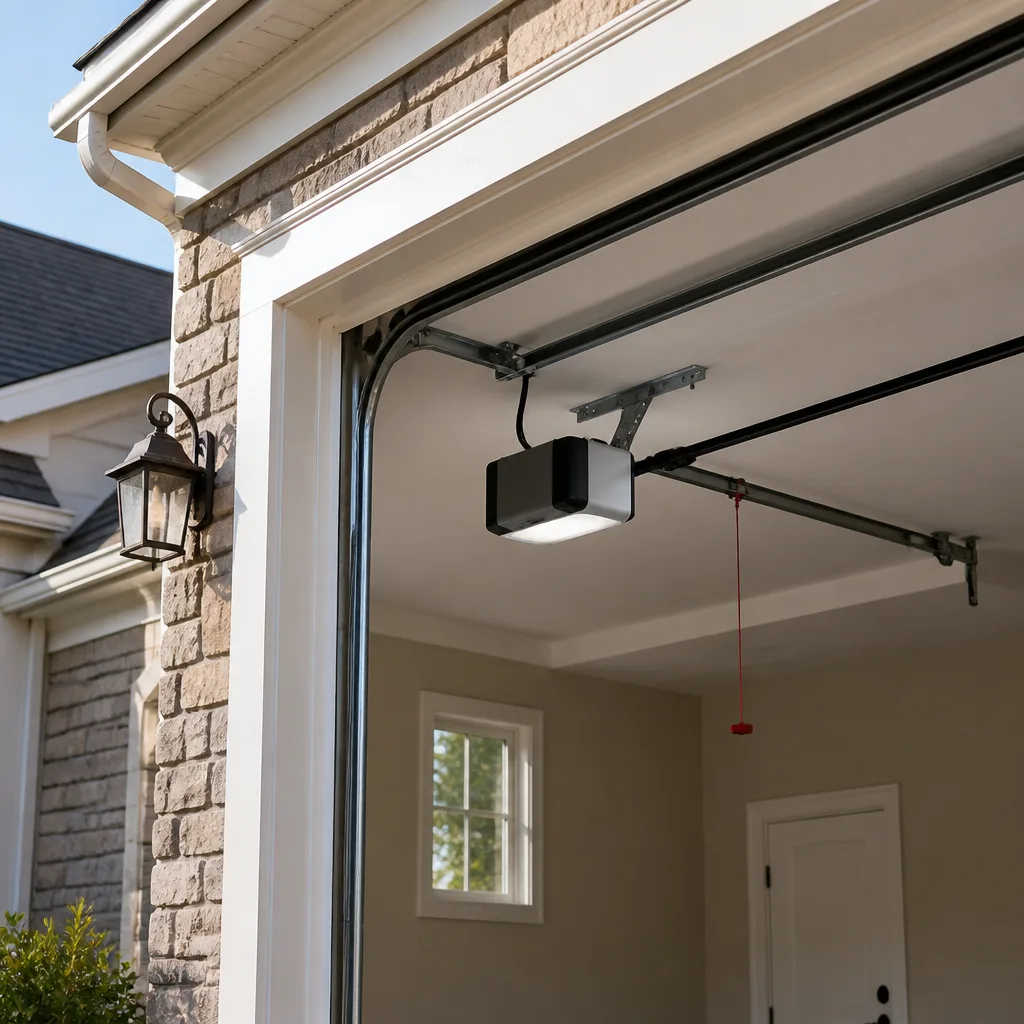 LiftMaster openers
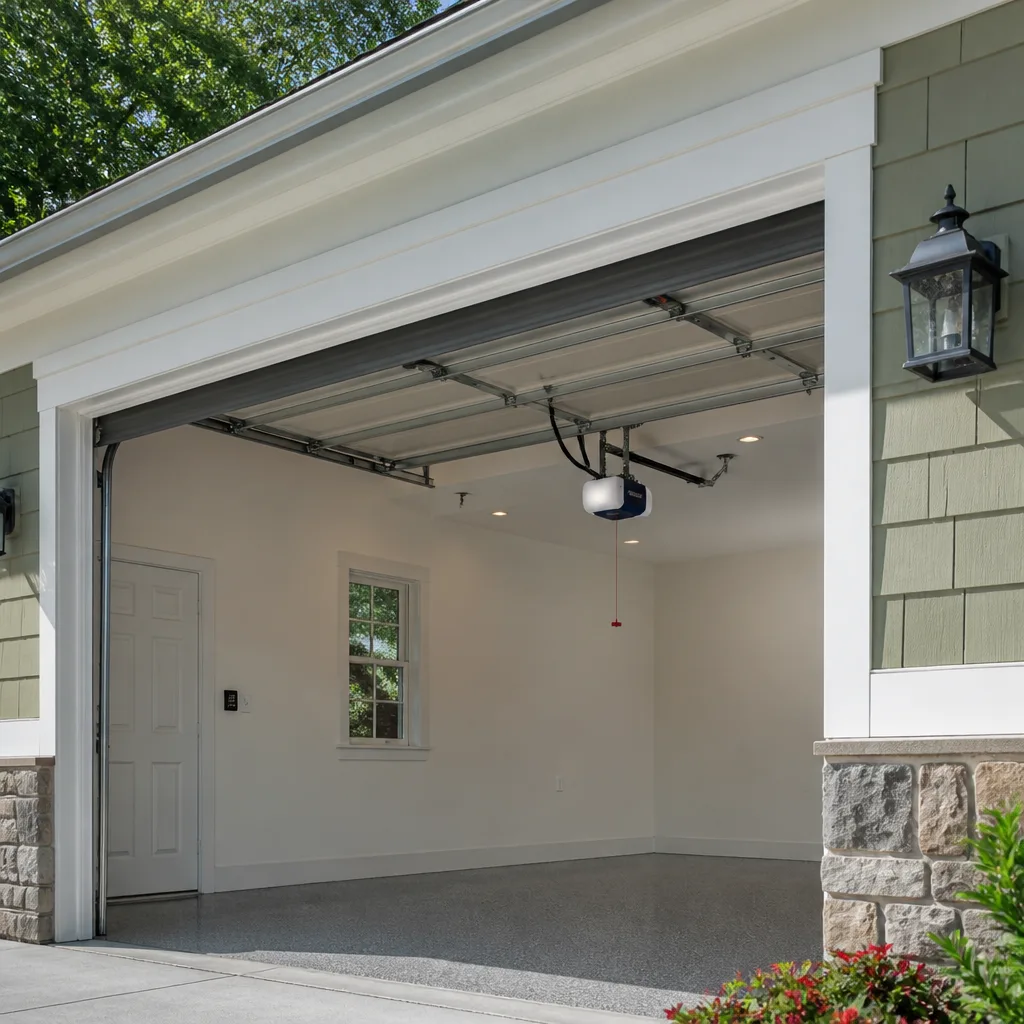 Chamberlain openers
Full 25-point door and opener safety check with every visit - springs, cables, rollers, tracks, and your LiftMaster or Chamberlain opener included
You get a price before we start. It does not change when the pro arrives.
Get your free estimateGarage Door Emergency Preparedness Guide for Portage Park Homes
When a garage door spring snaps at night and your car is inside, most homeowners discover for the first time that they’ve never tested the emergency manual release – and that the cord is broken, missing, or buried behind stored items. That moment of discovery is what this guide is built to prevent. A garage door emergency in Portage Park rarely means just one broken part. It means a car trapped inside, an entry point to your home left standing open, or a door that won’t seal when the temperature drops into single digits. We’ll walk you through the four scenarios that bring homeowners to the phone: a snapped spring, an opener that quits, a cable or track failure, and a door stuck open in winter. You’ll learn what to do before a technician arrives, how to protect your home in the meantime, and the five-minute setup to do now so the next emergency goes smoother.
Quick Answer
If your garage door fails in Portage Park, stay out of the path of a door with a broken spring or cable and use the manual release only when the door is fully closed and no one is underneath. Secure a door that won’t close with a brace or lock rather than forcing it, keep the interior door to the house shut if the garage is open to the weather, and call a repair service with your door brand, opener model, and a description of the noise and position so the technician arrives with the right parts. Never attempt to remove or adjust torsion springs or cables yourself; those are the most dangerous parts of the system and require trained hands.
Styles & brands we work with
- Raised-panel steel
- Carriage house
- Modern flush
- Full-view glass
- LiftMaster openers
- Chamberlain openers
Table of Contents
- Know Your Door Before You Need To
- How Do You Operate the Manual Release to Get Your Car Out?
- How Do You Secure a Door That Won’t Fully Close?
- What Should You Do When a Door Is Stuck Open in Winter?
- How Do You Report a Garage Door Emergency the Right Way?
- The Five-Minute Setup Every Portage Park Homeowner Should Do Now
- Why Spring Repair Is Safety Work, Not a Quick Fix
- Repair First or Replace: How to Decide Under Pressure
- Common Mistakes to Avoid
- When to Call a Professional
- Frequently Asked Questions
Know Your Door Before You Need To
The single most useful thing you can do for garage door emergency preparedness in Portage Park is to know what you own before something breaks. Garage doors and openers aren’t interchangeable, and the parts that fail are specific to the brand and model. When you call for help, the difference between “my door is broken” and “my Clopay door with a Genie opener snapped a spring on the left side” is the difference between a technician arriving prepared and a second visit later in the week.
Take ten minutes on a calm day and write down the following:
- Door brand and material. Look along the inside of a panel for a label. Clopay, Amarr, and Wayne Dalton are common names on doors around Portage Park’s bungalows and two-flats. Note whether the door is steel, wood, or aluminum.
- Opener brand and model. The motor housing carries a label, usually on the back or side. Genie, LiftMaster, Chamberlain, and Craftsman are the names you’ll see most. Snap a photo of the label with your phone.
- Spring type. Torsion springs mount on a shaft above the door; extension springs run along the horizontal tracks. Knowing which you have tells a technician what tools and parts to load.
- Door size. A single-car door and a double-car door use different springs and different operators. Measure the width of the opening.
- The manual release cord. Find it, note whether it’s intact, and check that nothing is hanging on it.
Keep this list somewhere you can find it fast – a note on your phone, a magnet on the fridge, or taped inside the garage door frame. In our experience, homeowners who have this information ready get their door working again in far fewer steps, because the first call is also the last call. When you’re ready to have someone look at a problem, Garage Door Repair Portage Park is the place to start.
How Do You Operate the Manual Release to Get Your Car Out?
The manual release is the red-handled cord that hangs from the opener trolley. Its whole purpose is to disconnect the door from the motor so you can lift it by hand. The key safety point: only pull the release when the door is fully closed and nobody is standing under it. If the door is open or partway up when you disconnect the operator, it can come down fast and hard. On a door with a broken spring, the door will feel extremely heavy – this is normal, and it’s why a second person should be nearby to help guide it.
How the release works differs slightly by brand, so here’s what to expect:
- LiftMaster and Chamberlain: Pull the red handle straight down and toward the door. The trolley separates from the carriage. Reconnecting happens when the door meets the opener carriage again and the operator runs – the trolley snaps back into place automatically.
- Genie: Most Genie models use the same pull-down cord, but some older units have a metal lever or a slide latch on the rail. Pull or slide it in the direction of the door travel until it clicks free.
- Craftsman: Typically a red cord with a trolley that re-engages when the door cycles. Look for the release tag near the rail and pull it down.
Once released, lift the door slowly by hand. With a working spring it should rise with modest effort. With a broken spring it will feel like dead weight, so lift with your legs and keep your hands clear of the hinges and the gap between panels. Get the car out, then lower the door gently and leave the release disengaged until a technician can look at it. If the door won’t move or the release won’t budge, stop and call for help rather than prying at the mechanism.
How Do You Secure a Door That Won’t Fully Close?
A door that won’t close leaves your home open to weather, pests, and anyone walking past. A snapped cable or a derailed track is the usual cause, and both put the door out of alignment so it binds partway down. The goal is to close the gap and hold the door in place without bending panels or making the repair harder. Do not force the door down – a door under tension can come off its track entirely, and that turns a cable repair into a full track and panel job.
Practical steps to secure the opening:
- Brace the door from the inside. Use a length of lumber or a heavy adjustable pole wedged between the bottom panel and the floor, or between the door and the header above. This holds a door that has crept up and stops it from traveling.
- Lock the slide bolt if you have one. Many doors have a manual lock bar that engages the track. If yours does, use it until the door is repaired.
- Block the gap at the floor. A rolled towel or foam strip along the bottom keeps drafts and water out while the door sits partway open.
- Close the interior door. The door from the garage into the house is your real security line. Keep it locked and shut while the overhead door is compromised.
- Don’t run the opener. Cycling the motor against a jammed door strips the gears and can burn out the logic board. Leave it off until a technician sees it.
If the door is standing open with no way to brace it, a padlock through the track and a roller is a short-term option to stop movement. Then get on the phone. A door that won’t close is one of the most common reasons people search for garage door repair late in the day.
What Should You Do When a Door Is Stuck Open in Winter?
A door stuck open in a Portage Park February is a different emergency than one stuck in July. These garages often sit under living space or share a wall with the house, and an open overhead door lets cold air pour into the garage and press against the interior door. If water pipes run through or along that garage wall, prolonged cold can put them at risk. The priority is to close the opening as much as you can and keep the warm side of the house sealed off while you wait for repair.
Interim steps while the door is down for repair:
- Seal the inside door. Weatherstrip or a rolled towel along the bottom of the door into the house stops the draft moving into living space. Keep that door closed.
- Hang a temporary barrier across the garage opening. A heavy tarp or plastic sheeting tacked or weighted across the opening cuts the wind. It won’t hold heat like the door, but it slows the cold.
- Trickle the nearest faucet overnight. If plumbing runs along an exterior or garage wall, a slow drip keeps water moving and reduces freeze risk. This is a general precaution, not a substitute for fixing the door.
- Keep the garage door opener off. Don’t cycle a frozen or jammed door; ice in the tracks and a stiff spring make binding worse.
- Clear snow and ice from the threshold. A drift against the bottom panel freezes the seal to the floor and can tear it when the door finally moves.
None of these fixes the door. They buy you time and protect the house until a technician can get the door closing again. If your door won’t seal because the bottom weather seal is torn or frozen, that’s a parts issue as much as a repair – a replacement seal is quick to fit once the door is operating.
How Do You Report a Garage Door Emergency the Right Way?
The right way to report a garage door emergency is to give the service enough detail on the first call that the technician arrives with the parts most likely to be needed. Spring sizes, cable lengths, and opener components aren’t universal. A technician who knows your brand and door size before leaving can often complete the repair in one visit instead of two. That’s why we work on the specific brands we do – LiftMaster, Chamberlain, Genie, Clopay, Amarr, Wayne Dalton, Craftsman, and Raynor – and why we’d rather hear the details than guess.
Have these ready when you call:
- Your address and the door’s location. Which side of the garage, and whether it’s an attached or detached garage.
- Door brand, material, and size. The list you wrote down in the first section pays off here.
- Opener brand and model. The label photo helps.
- What happened and what you heard. A loud bang followed by a door that won’t lift usually points to a torsion spring. A grinding noise with a door that reverses points to the opener or a track issue.
- Current door position. Fully closed, fully open, or stuck partway. Say whether the manual release has been pulled.
- Whether a car is trapped inside. This changes the urgency and the order of the work.
- Spring type. Torsion or extension, and how many springs the door has.
With those details, the person on the phone can tell you what to do while you wait and what to expect. For problems that turn out to be electrical or motor-related rather than mechanical, garage door opener repair covers the diagnosis and the fix.
The Five-Minute Setup Every Portage Park Homeowner Should Do Now
Emergency preparedness for a garage door takes about five minutes, and it’s the difference between a calm phone call and a scramble in the dark. Do this once, on a day when nothing is wrong, and you’ll be ready the next time something is. It’s the setup we’d recommend to any homeowner in Portage Park, whether your garage faces an alley or the street.
- Find the manual release cord. Locate the red handle on the opener rail. Make sure it’s within reach and not tangled. If it’s missing or broken, that’s a repair to schedule before you need it.
- Clear the path to the cord. Move stored boxes, bikes, and shelving so you can walk to the release without climbing over anything. In a Portage Park two-flat garage, that cord often ends up behind a stack of bins.
- Test the balance of your door. With the door closed, pull the release and lift the door halfway by hand. A balanced door should stay put when you let go. If it drops or feels very heavy, the springs are wearing and should be checked.
- Save the service number. Put (844) 743-1041 in your phone contacts under “garage door.” Add it to the note where you keep your door brand and model.
- Check the safety reverse. Put a roll of paper towels under the closing door and confirm it reverses on contact. This is a quick monthly check that protects people and pets.
Reconnect the release when you’re done by running the opener so the trolley re-engages. Five minutes now saves a much longer, colder evening later.
Why Spring Repair Is Safety Work, Not a Quick Fix
Springs are the most dangerous part of a garage door, and they’re also the most common failure. A torsion spring stores enough energy to lift a door weighing hundreds of pounds. When it breaks, the door becomes dead weight, and any attempt to adjust or remove the spring without the right tools and training can cause serious injury. This is why we handle spring repair as its own dedicated service with trained technicians, not as an add-on that any handyman can pick up.
What a homeowner should know about springs:
- Torsion and extension springs fail differently. Torsion springs are mounted on a shaft above the door and usually fail with a loud bang. Extension springs run along the tracks and need safety cables to contain them if they break.
- A pair is usually replaced together. Springs wear at the same rate, so if one breaks, the other is close behind. Replacing one spring alone often means a second call soon after.
- Pricing is per spring. A spring repair price is for one spring, and a matched pair runs about twice that. We quote the full job in writing before any work starts, so you know the cost up front.
- Never wind or unwind a spring yourself. The tension in a torsion spring is not something to work around without training and the correct winding bars. Leave it to a technician.
If you hear a bang from the garage and the door won’t lift, stop using the opener and call. Getting the spring replaced safely is the fastest route back to a working door.
Repair First or Replace: How to Decide Under Pressure
An emergency is a bad time to be sold a whole new door. The honest approach is repair first, replace only when replacement is the better long-term call. Most garage door problems are one failed component – a spring, a cable, a roller, an opener gear – and fixing that component gets you back to normal for a fraction of the cost of a new door. Replacement makes sense when the door itself is damaged beyond repair, when panels are rusted through or rotted, or when repeated failures across the system add up to more than a new door would cost.
How to think about the decision:
- Is the structure sound? Dented or bent panels on an otherwise solid door can often be replaced individually. A door with a bent track, cracked panels, and worn springs may be a candidate for replacement.
- Is it one component or many? A single spring or opener failure is a repair. Multiple failures at once usually points to a door near the end of its life.
- What’s the brand? Parts for Clopay, Amarr, and Wayne Dalton doors are widely available, so repair stays practical longer. Off-brand doors can be harder to source parts for.
- Is the opener older than the door? If the motor is the weak link and the door is in good shape, a new opener may be the smarter move. If you decide to replace, garage door installation covers the full measure and fit, and the same team that repairs your door can replace it.
Ask for a written estimate that lays out the repair and, if replacement is worth considering, the replace option too. Then decide with the numbers in front of you, not in the middle of a cold garage.
Common Mistakes to Avoid
- Forcing a jammed door down. A door that binds on a bent track or a snapped cable can come off its rollers and drop. Brace it and call for repair rather than pushing it closed.
- Running the opener against a broken spring. The motor will strain and can strip its gears or burn out the board. Turn the opener off and use the door by hand only if you must.
- Pulling the manual release while the door is open. The door can slam down under its own weight. Pull the release only with the door fully closed and no one underneath.
- Leaving the manual release cord tangled or buried. When you actually need it, you need it fast. Keep the cord clear and in good repair, especially in a crowded Portage Park garage.
- Letting a door sit open in a February cold snap. An open door in a shared-wall or under-living-space garage lets cold reach plumbing and interior walls. Seal the gap and the interior door while you wait for repair.
- Calling without the brand and model. A technician who doesn’t know your Genie opener or Wayne Dalton door size may need a return visit with the right part. Have the details ready.
- Accepting a replacement quote before a repair is priced. Get the repair cost in writing first. A component fix is usually the right call unless the door itself is damaged.
When to Call a Professional
Call a professional for anything involving a broken spring or cable, a door off its track, an opener that sparks or smells of burning, or a door that won’t stay balanced when you lift it by hand. Those are the scenarios where working around the mechanism can hurt you or make the repair bigger. A door that won’t close, a car trapped inside, or a garage open to the cold in a Portage Park winter are all good reasons to stop troubleshooting and get a technician on the way. Our technicians have up to 12 years of experience, and we work on the brands you actually own – LiftMaster, Chamberlain, Genie, Clopay, Amarr, Wayne Dalton, Craftsman, and Raynor – with genuine replacement parts on hand to cut down on return visits. We’re open Sunday through Friday, 7am to 7pm, and closed Saturday. Garage Door Repair Portage Park offers free estimates in Portage Park – call (844) 743-1041. Pricing is quoted and agreed before any work starts, so there’s no surprise on the invoice.
Frequently Asked Questions
Pull the manual release cord with the door fully closed, then lift the door by hand with help and drive the car out slowly. The door will feel very heavy without a working spring, so lift with your legs and keep hands clear of the hinges. If the release won’t pull or the door won’t budge, call (844) 743-1041 and we’ll walk you through your options – estimates are free.
For spring, cable, track, and opener failures we aim for same-day service when you call during our hours, which are Sunday through Friday, 7am to 7pm. We’re closed Saturday. Have your door brand, opener model, door position, and whether a car is trapped ready when you call so we can bring the right parts. Reach us at (844) 743-1041.
No – the price we quote and you agree to before work starts is the price on the job. We look at the door, price the repair in writing, and get your go-ahead before we touch anything. If a hidden problem turns up, we stop and talk to you about it rather than adding to the invoice. Call (844) 743-1041 for a free estimate.
The local professionals we connect you with are licensed and insured as their state requires. Our technicians are trained on the brands we service, including LiftMaster, Chamberlain, Genie, Clopay, Amarr, Wayne Dalton, Craftsman, and Raynor, and spring work is handled as a dedicated, safety-first service. Call (844) 743-1041 for details and a free estimate.
Keep the door still, keep the opener off, and seal the opening and the interior door if the door is stuck open in cold weather. If the door is stuck partway, brace it from the inside so it can’t travel. Don’t try to fix a spring or cable yourself; those are the parts most likely to cause injury. Call (844) 743-1041 and we’ll tell you what’s safe to do until we arrive.
Yes. We service the major brands, including Genie openers and Clopay doors, along with LiftMaster, Chamberlain, Amarr, Wayne Dalton, Craftsman, and Raynor. Knowing the brand means we diagnose its particular quirks instead of treating every door the same. Call (844) 743-1041 with your model and we’ll get the right parts lined up.
The Bottom Line
Garage door emergencies in Portage Park come down to a few essentials: know your door’s brand and size, keep the manual release clear and working, and never force a door that’s jammed or fight a spring or cable yourself. Spring repair is safety work, and the safest, fastest path back to a working door is to call a trained technician with the right parts. Do the five-minute setup now – locate the release, clear it, test the door’s balance, and save the number. When something goes wrong, report your brand, model, door position, and whether a car is trapped, and you’ll get the right help on the first call. Keep (844) 743-1041 handy, day or night isn’t our schedule, but Sunday through Friday, 7am to 7pm is; we’re closed Saturday. Call today for a free estimate and we’ll help you prepare before the next snap.
Written by the team at Garage Door Repair Portage Park.
See the difference
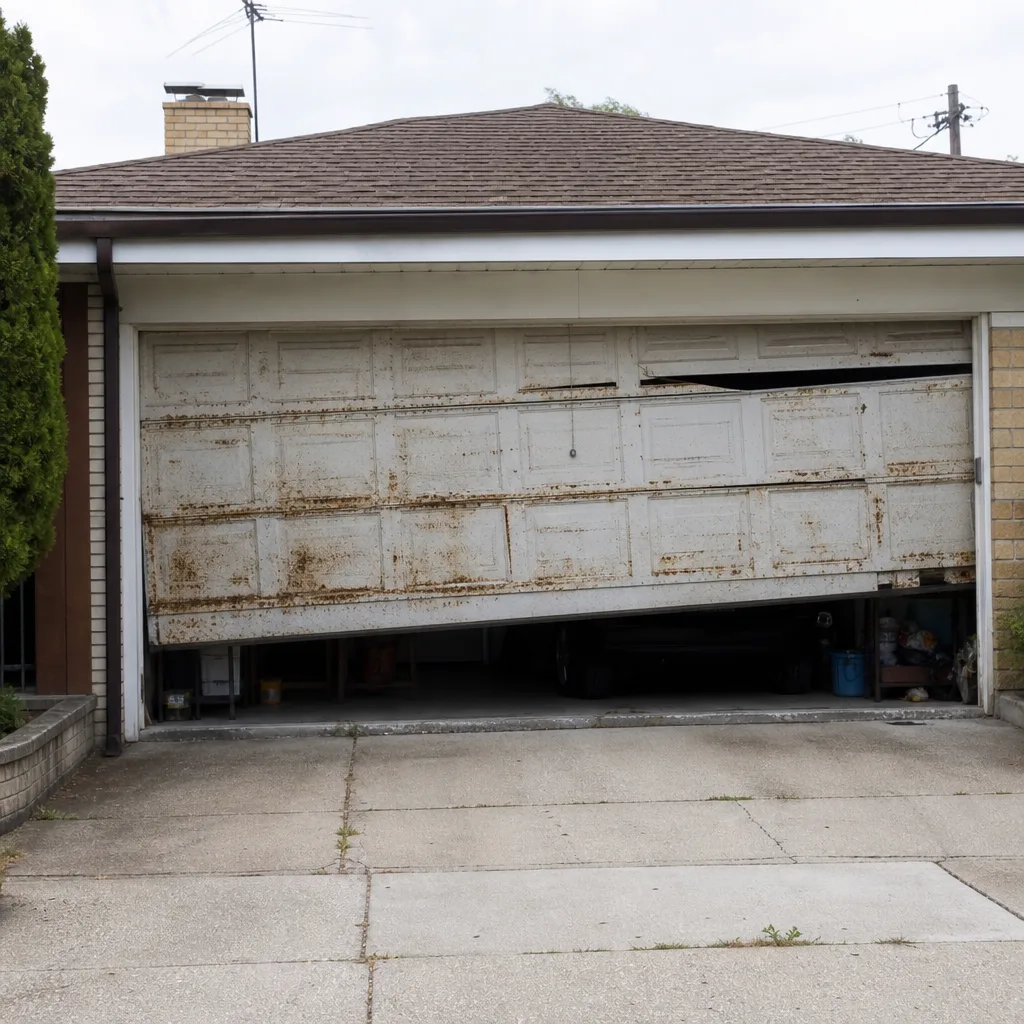 Before
 After
 Before
 After
 Before
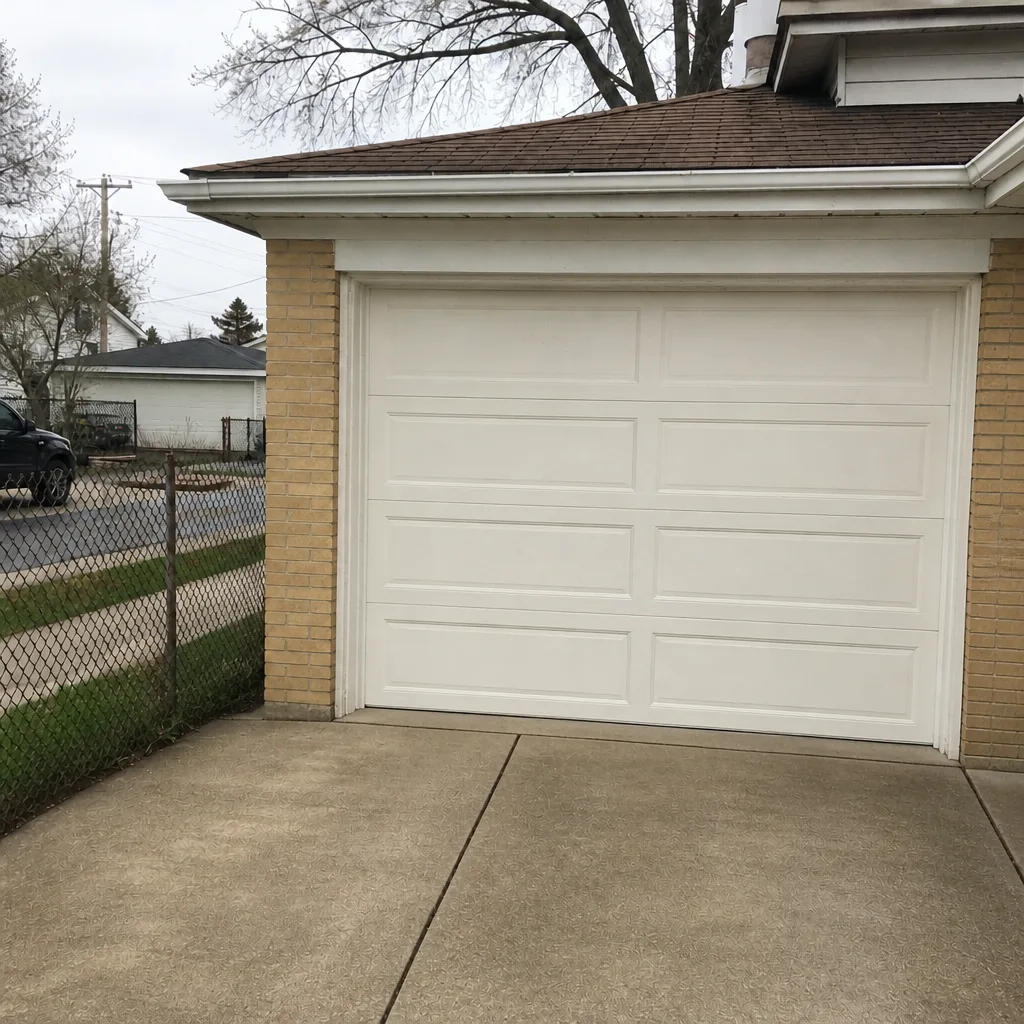 After