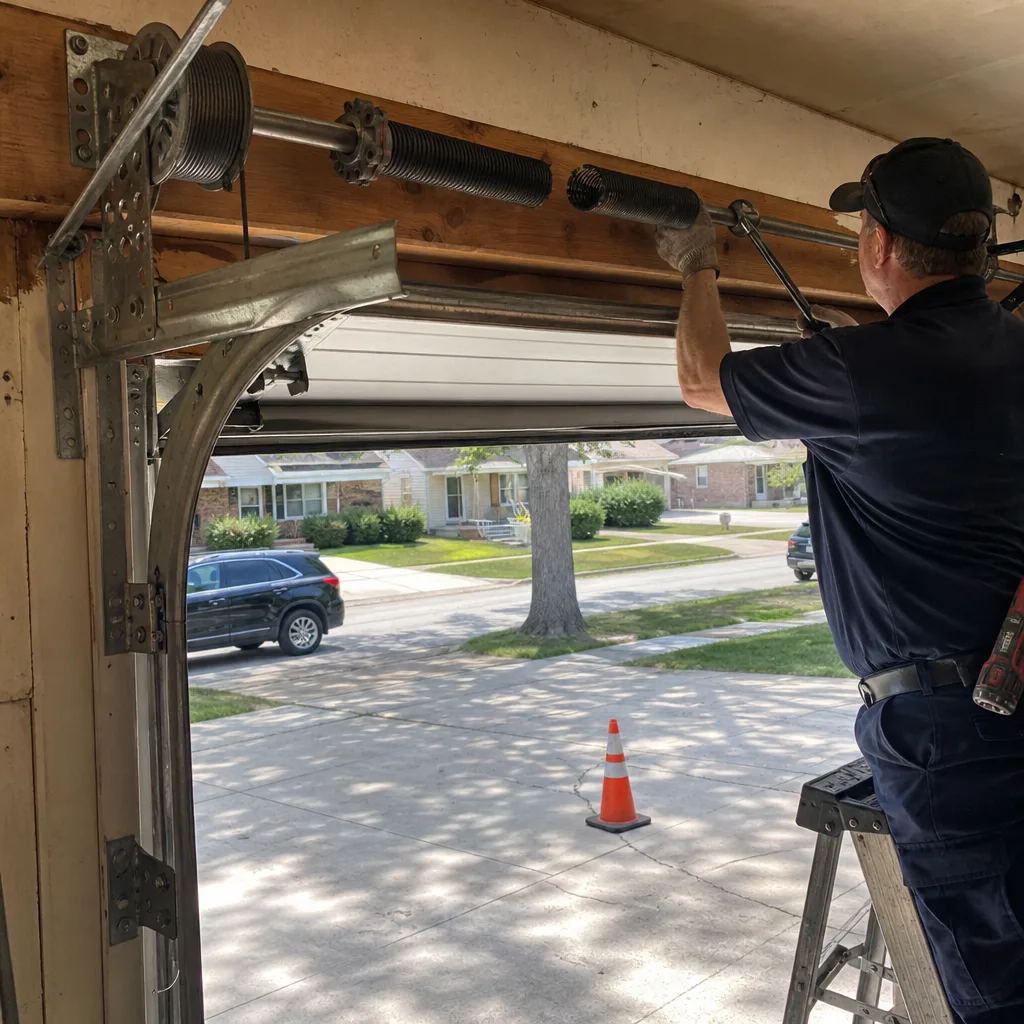
Last updated November 21, 2026
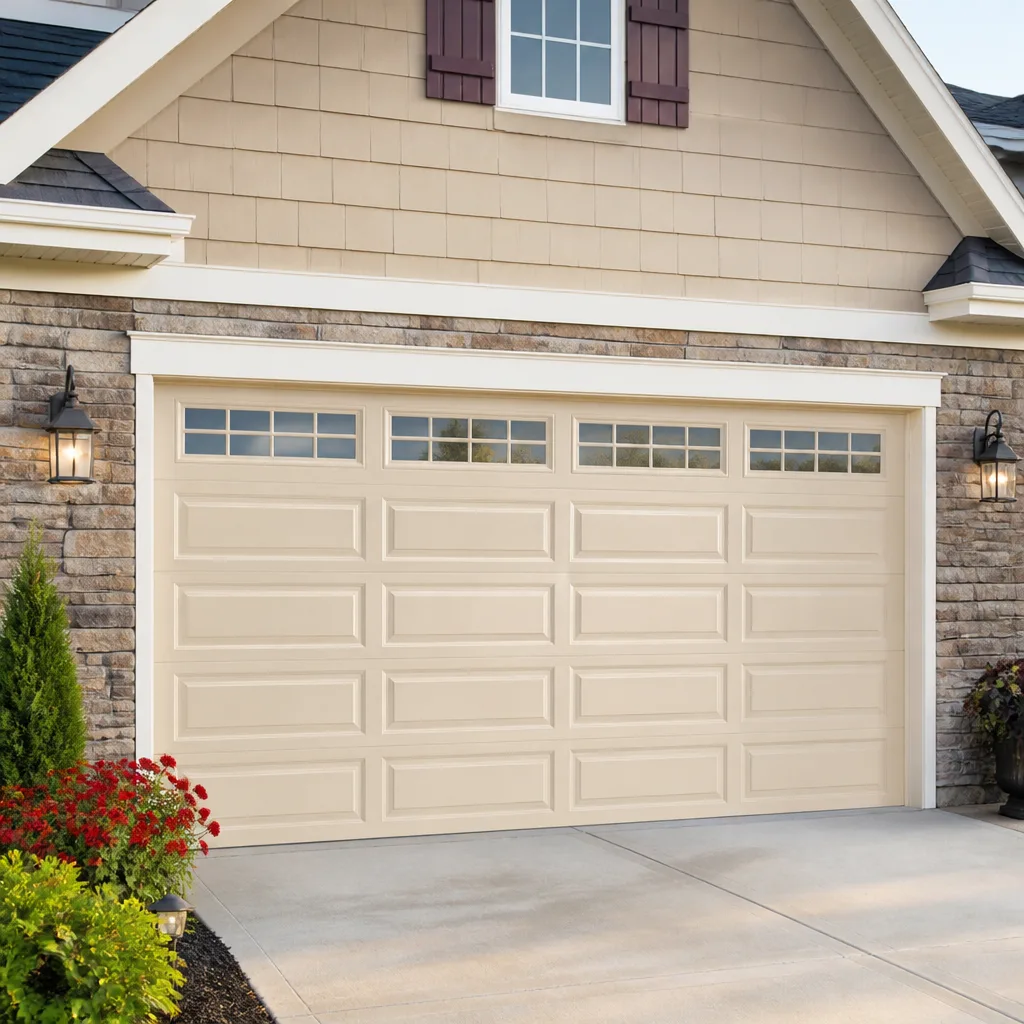 Raised-panel steel
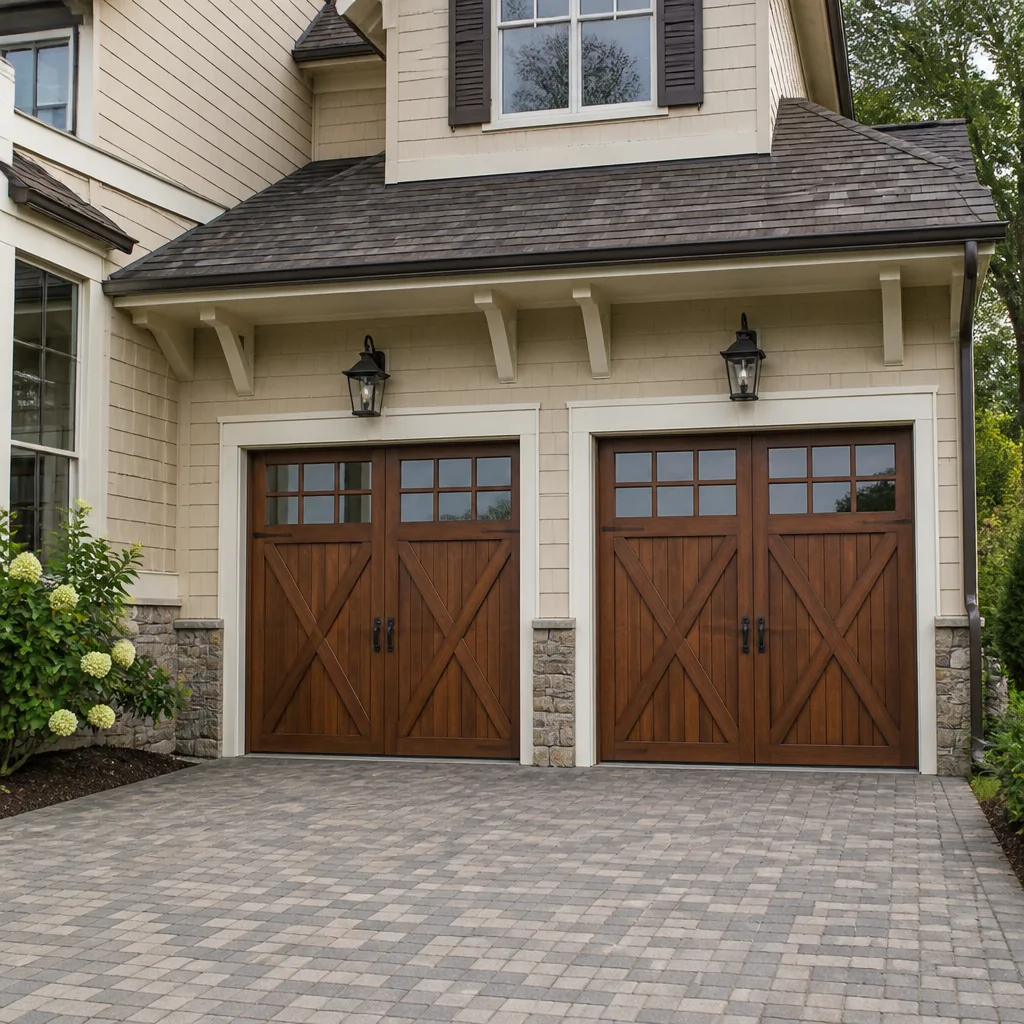 Carriage house
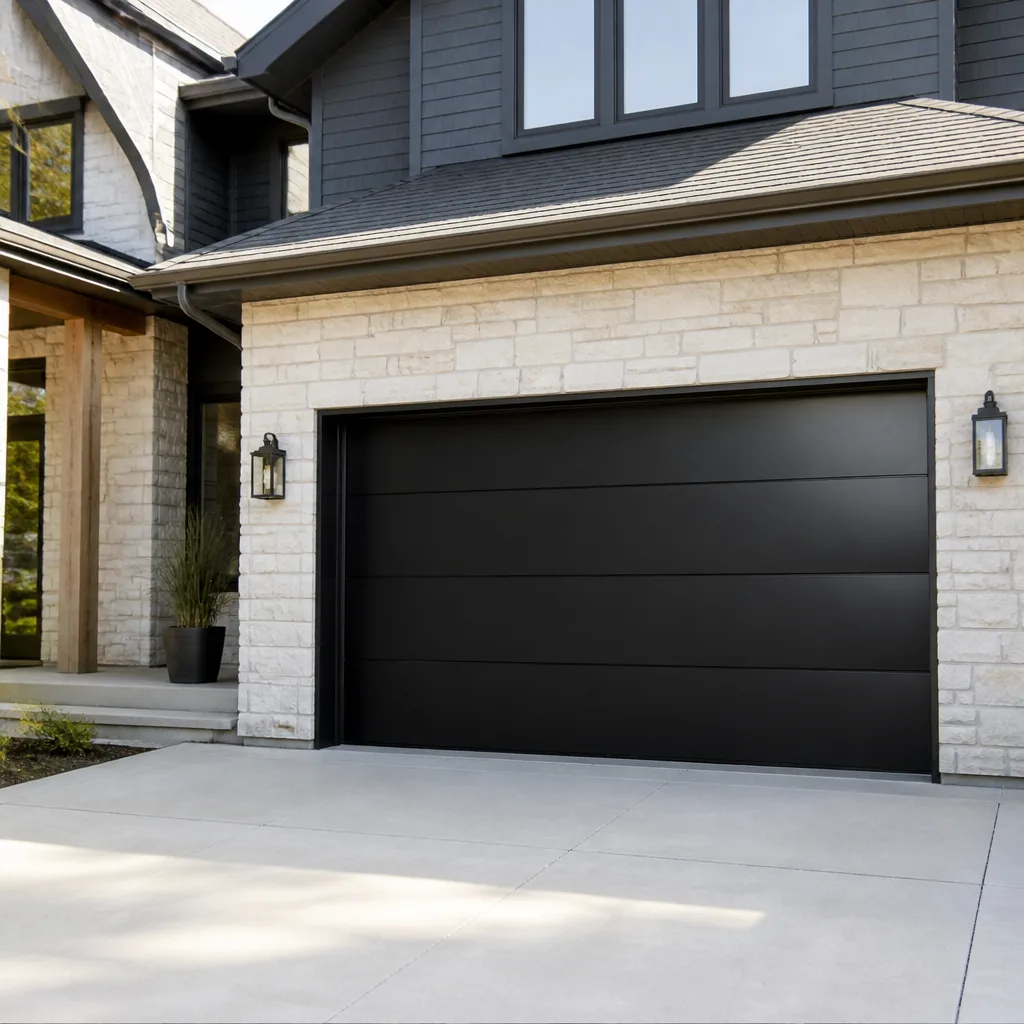 Modern flush
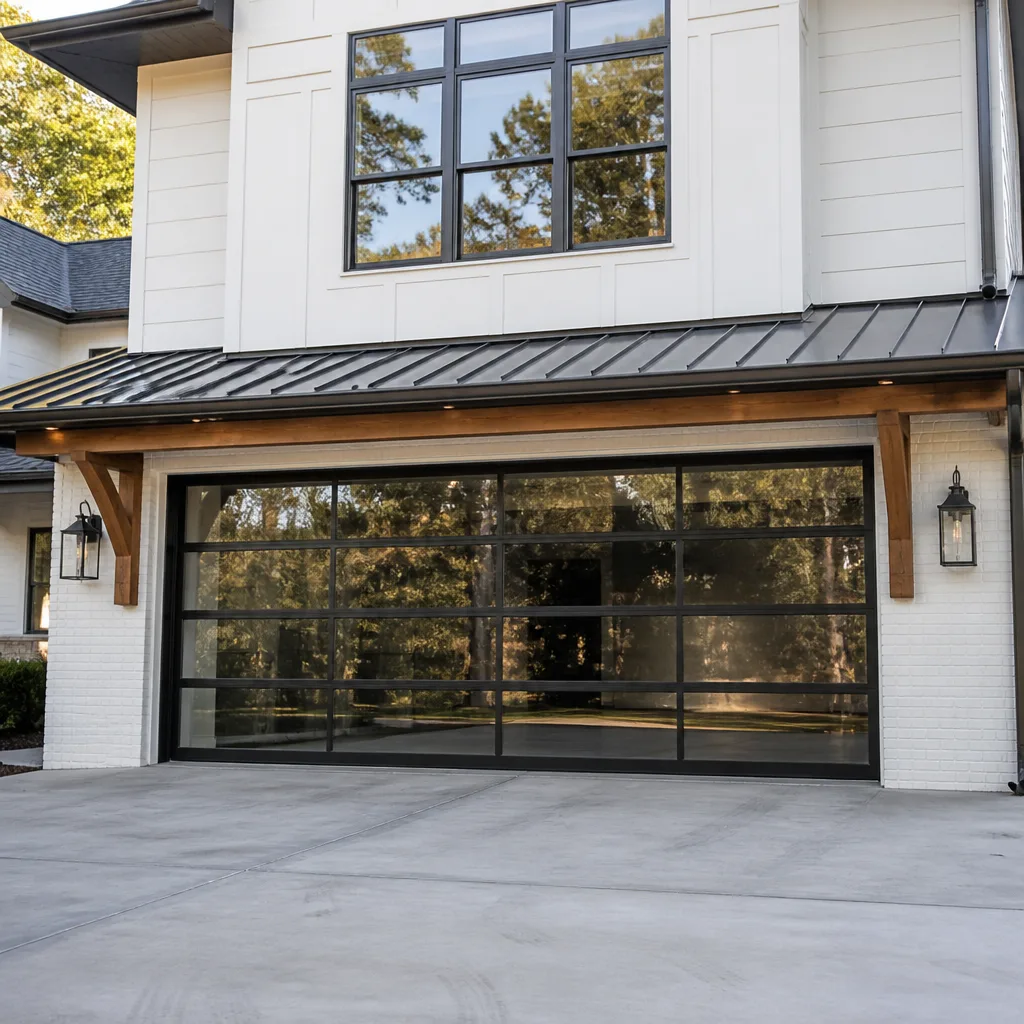 Full-view glass
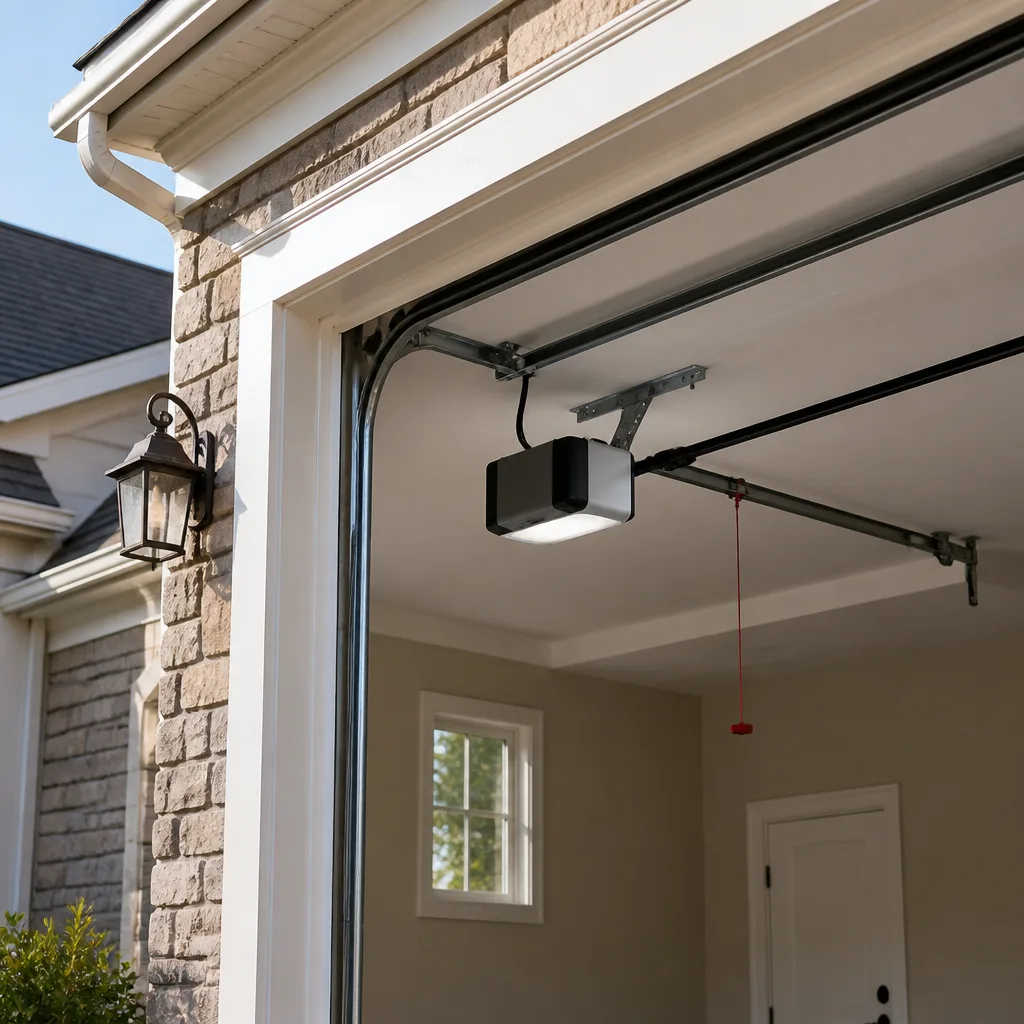 LiftMaster openers
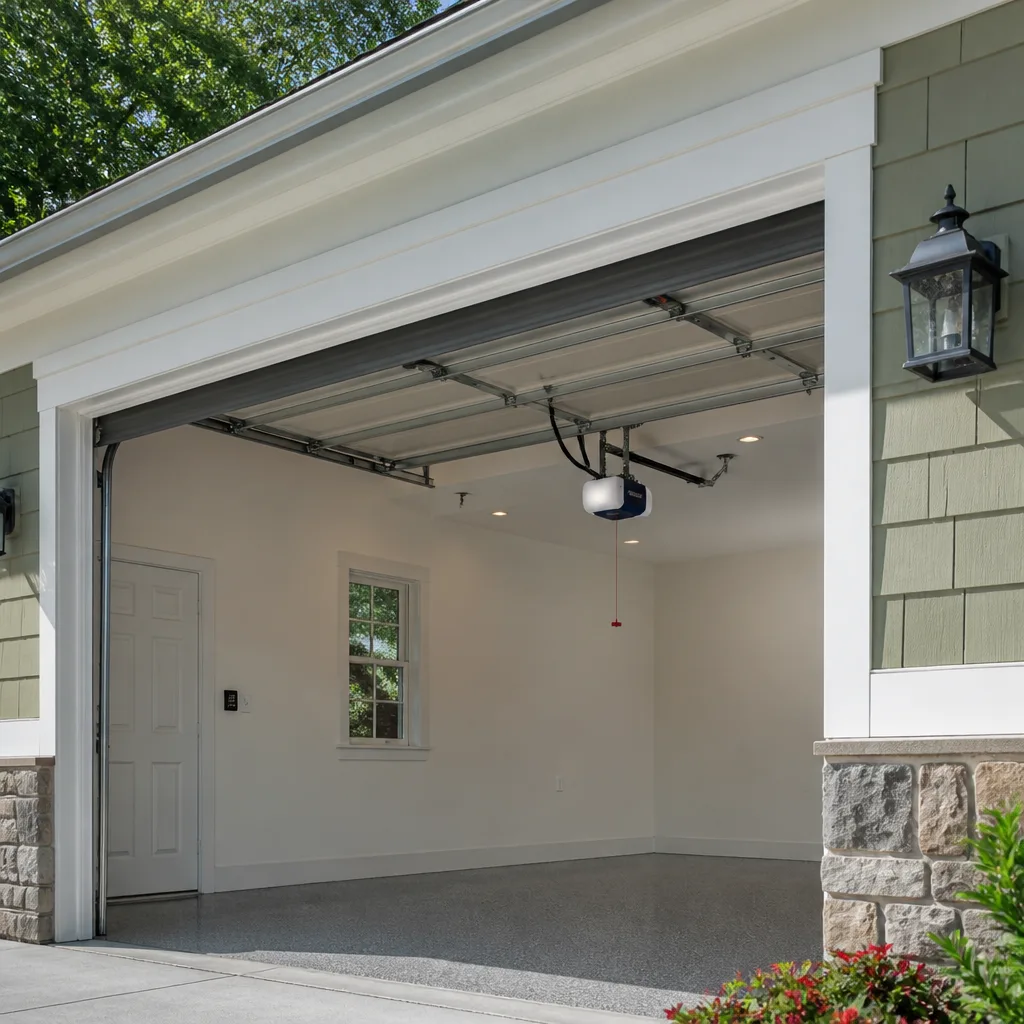 Chamberlain openers
Full 25-point door and opener safety check with every visit - springs, cables, rollers, tracks, and your LiftMaster or Chamberlain opener included
You get a price before we start. It does not change when the pro arrives.
Get your free estimateGarage Door Permits, Codes & Inspections in Portage Park, IL: What You Need to Know
A like-for-like garage door replacement sounds permit-free. Swap one door for another of the same size, in the same opening, and most homeowners assume there’s nothing to file. But add a wider opening to fit a car that barely cleared the old frame, run a new electrical circuit to a smart opener, or change the fire-rated separation between the garage and the house, and you’ve just triggered a City of Chicago building department review most homeowners never saw coming. This guide walks through what actually requires a permit in Portage Park and greater Chicago, what counts as ordinary repair, how zoning shapes dimensions and setbacks, what an inspection failure really means, and how to check permit history before you buy.
Quick Answer
In Chicago, replacing a garage door in the same opening with a door of the same dimensions is generally treated as ordinary repair and doesn’t require a building permit. Structural changes do: enlarging or moving the opening, adding or altering an electrical circuit, or modifying fire-rated separation between an attached garage and the living space. When a permit is required, a city inspection follows, and the timeline depends on the building department’s review queue.
Styles & brands we work with
- Raised-panel steel
- Carriage house
- Modern flush
- Full-view glass
- LiftMaster openers
- Chamberlain openers
Table of Contents
- What Work Triggers a Building Permit in Chicago?
- Repair vs. Permit: Where the Line Actually Sits
- How Chicago Zoning Shapes Garage Door Dimensions and Alley Setbacks
- Fire Separation Requirements for Attached Garages
- The Inspection Process and What a Failed Inspection Means
- How to Verify Permit History Before You Buy
- What Unpermitted Garage Work Looks Like in City Records
- Choosing a Contractor Who Handles the Permit Question Honestly
What Work Triggers a Building Permit in Chicago?
Chicago’s building code treats garage door work in two buckets: ordinary repair and alterations that change the structure or systems. A direct swap of a damaged door for one of the same size and weight class usually falls into repair. Anything that touches the opening’s framing, the electrical system, or the fire-rated assembly moves into permit territory. The confusion sets in because contractors and homeowners often disagree on which bucket a job falls into before anyone files paperwork.
Here’s the practical split we walk Portage Park homeowners through whenever the permit question comes up:
Usually no permit required
- Replacing a sectional door with one of the same width, height, and weight
- Replacing torsion or extension springs, cables, rollers, or hinges
- Swapping a worn opener motor with a direct replacement on the existing circuit
- Replacing panels or bottom seals on an existing door
- Adjusting tracks, sensors, and safety reverse settings
Usually requires a permit
- Enlarging, moving, or adding a new garage door opening
- Changing the structural header or framing above the opening
- Running a new dedicated electrical circuit for an opener or outlet
- Altering the fire-rated separation between an attached garage and the house
- Converting a garage to a habitable space or adding a new attached garage
None of this is a substitute for a call to the Chicago Department of Buildings. Code interpretation depends on the specific scope, and what looks like a same-size replacement on paper can turn into an alteration once someone opens up the wall and finds the framing has been modified. We always recommend confirming with the department before work begins, especially in the bungalow blocks of Portage Park where openings have often been altered by a previous owner. That single phone call saves weeks of headache. For any repair that turns out to be structural once the door is off, you’ll want a team that knows when to stop and refile: garage door repair starts with an honest scope, not a handshake.
Repair vs. Permit: Where the Line Actually Sits
The line between repair and permit work comes down to whether you’re restoring the door to its original condition or changing the structure, the electrical system, or the fire separation. A spring snaps, a panel dents, an opener stops reversing and needs a new logic board – none of that is a permit event. Enlarging the opening so a newer SUV fits, or moving the door tracks two inches to one side, does cross that line.
In our experience working the older housing stock around Portage Park, the trickiest cases are the ones where a prior owner already modified something. A 1920s brick bungalow might have a garage door opening that was widened in the 1980s, framed without a permit, and finished with a header that was never engineered. When you replace that door today, the inspector may flag the existing header as noncompliant. That’s why we pull the history before quoting an installation, not after.
A useful rule of thumb for homeowners: if the work involves moving fasteners, springs, cables, tracks, or panels on the existing opening, it’s repair. If it involves cutting, welding, wiring, or changing the dimensions of the opening, ask the city. That single question prevents most of the mess.
Every price we give for repair work is quoted and agreed before any technician touches the door, so there’s no surprise invoice when the scope turns out narrower or wider than expected. If the diagnosis reveals permit-level work, we stop, explain what’s needed, and quote the correct scope in writing.
How Chicago Zoning Shapes Garage Door Dimensions and Alley Setbacks
Chicago’s zoning ordinance shapes garage dimensions in ways that surprise even longtime Portage Park homeowners. The Northwest Side wards that cover Portage Park – the 38th, 45th, and 39th depending on your block – require garage structures to respect side and rear setback limits, and the alley-facing garage wall often has a maximum height and setback you can’t exceed without a variance. Enlarging a door isn’t just a building-code question; it can bump into a zoning issue, especially where the door faces an alley.
Here’s what tends to matter most:
- You can’t guess the number. Each lot has its own zoning designation, and the required setback from the alley easement varies by block and by how the lot is platted. Two adjacent Portage Park garages can have different rules.
- Door width is bounded by the opening, and the opening is bounded by the setback. If you want a wider door, the wall has to move, and that wall may or may not be allowed to move.
- Height matters as much as width. Top-of-door height interacts with the garage roof pitch, and the roof pitch is bounded by the zoning envelope.
- Variances take time. If your plan pushes past a limit, the process moves from a building permit to a zoning review, which is a separate queue and a separate fee.
Portage Park’s alleys are narrow, and the garages that line them are close to the property line. That means the practical space to enlarge a door is often smaller than the number on the county plat suggests. Before ordering a new door that’s a few inches wider, get the zoning records for your specific lot from the city’s zoning map or the department’s public counter. It’s the difference between a two-week install and a two-month variance.
When you’re ready to install a door sized correctly for the lot, our garage door installation service handles the measure with the zoning envelope in mind, not just the opening.
Fire Separation Requirements for Attached Garages
If your garage shares a wall or a ceiling with your house, that wall is a fire-rated assembly, and the door between the garage and the house is a fire-rated door. The Illinois Residential Code – adopted by Chicago with local amendments – requires a specific fire separation rating on that assembly, and a door replacement that changes the rating can pull the whole job into a permit review. Getting this wrong is more than a code violation; it’s a real safety issue, because the separation buys time in a house fire.
Two common mistakes we see around Portage Park:
- Replacing the pedestrian door between garage and house with a non-rated door. A hollow-core door from a home center may fit the opening and look correct, but it doesn’t carry the fire rating the assembly requires. The inspector will catch it.
- Adding a new garage door opener access or service opening that penetrates the fire-rated ceiling. Any penetration changes the assembly. If the attic above the garage is shared with the house, this is a real problem.
The overhead garage door itself – the large sectional door on the alley side – is generally not the fire-rated component. The door between house and garage is. That distinction trips people up, so it’s worth repeating: changing the big door rarely touches fire separation, but changing the walls, ceilings, or connecting door often does.
If your inspection reveals the fire separation was modified by a prior owner or never finished properly, don’t have anyone patch over it. That’s a documented-life-safety item and needs to be corrected on the record. The qualified local professional you bring in should be willing to put the fix in writing and coordinate with whatever inspection the city requires.
The Inspection Process and What a Failed Inspection Means
The inspection timeline depends entirely on the Chicago Department of Buildings’ queue, the completeness of your permit application, and whether the work was filed as a simple replacement or a structural alteration. A straightforward permit for a same-size door swap inspects quickly once scheduled; a structural alteration faces a longer review. A failed inspection means the work doesn’t conform to the permitted scope and must be corrected before the permit is closed.
Here’s how the process typically runs:
- File the permit application with the scope, door spec sheet, and – for structural work – drawings from a licensed design professional.
- Receive the permit once the department has reviewed the filing. Timelines vary; ask the department for an expected window when you file.
- Complete the permitted work with the door, opener, and hardware installed to spec.
- Schedule the inspection. An inspector visits, verifies the installed condition against the permitted scope, and either passes, fails, or requests corrections.
- Close the permit after any corrections are re-inspected and passed.
What a failed inspection actually means
Practically, a failed inspection is not a catastrophe. It’s a correction list. The inspector documents what doesn’t match the filed scope – a fire door installed at the wrong rating, a header that doesn’t match the drawings, an electrical circuit not run to the permit – and the contractor corrects it and schedules the re-inspection. The cost of a failure is time, and sometimes a re-inspection fee, not a rebuild of the whole job.
What you want to avoid is a failure that goes uncorrected. An open permit with a failed inspection on file becomes a known problem when you sell. Buyers’ title searches pick it up, and the sale stalls until the permit is cleared. That’s the scenario this guide is designed to help you prevent.
The inspection and your opener
Modern openers have a safety reverse system that must function correctly for the door to close safely, and inspectors verify it. If your opener is a legacy system that doesn’t carry modern safety features, the inspection window is a good time to upgrade. When that’s the case, garage door opener repair can bring the opener up to current safety requirements before the inspector arrives, whether you’re working with a LiftMaster, Genie, or Chamberlain system. We work on the system you already have before recommending a replacement.
How to Verify Permit History Before You Buy
Verifying permit history on a Portage Park home takes a few steps, and doing them before you close is far cheaper than doing them after. The good news is that Chicago keeps a public record of permits and inspections, and the process is more transparent than most buyers realize.
- Pull the permit history for the address through the city’s online building permit records. Search by address, not street, to catch the full property record.
- Look for open permits. An open permit is one filed but never closed by final inspection. That’s the red flag, not a permit that was properly closed.
- Check the recorded scope against what’s actually on the property. If the permit says a 16-foot door and the opening is 18 feet, the difference is worth asking about.
- Ask your real estate attorney to include permit history in the title search. A title search that includes open permits catches problems early.
- Request the seller’s disclosure of any garage work performed during ownership. This is required in Illinois and gives you the paper trail to follow.
If the history is missing or unclear, don’t assume it’s fine. Call the city’s building department directly and ask whether any permit was ever issued for the garage. If it wasn’t, ask what’s required to bring the work into compliance. Some owners file after-the-fact permits to close out work done years earlier; the process is manageable but you need to know about it before signing.
On the buying side, it’s worth knowing that the garage door is one of the more commonly replaced components on a Portage Park property, and it’s frequently done without a permit because the homeowner assumed it was repair. The history check catches that. The cost to correct an unpermitted door is usually low; the cost to discover it mid-sale is not.
What Unpermitted Garage Work Looks Like in City Records
Unpermitted garage work doesn’t leave a clear fingerprint on the property – but it leaves patterns in the records. When you pull the permit history on a Chicago property, here’s what tends to indicate garage work was done without a permit:
- An open permit with no final inspection. A permit was filed, work started, and the inspection was never scheduled or passed. The permit remains open in the city’s records.
- A gap in the timeline. A big replacement project visible in aerial imagery or the listing photos, but no permit issued in the years it was completed.
- Mismatched ages. A newer door in an older structure with no permit record for the door change, especially when the opening dimensions differ from the plat.
- Structural oddities. A header that doesn’t match the surrounding framing, or tracks mounted differently than the rest of the garage – signs that the opening was altered.
- Wiring that exits the panel without a listed circuit. A new opener running from an unlabeled breaker is a common tell.
An unpermitted door isn’t automatically a structural problem. The door itself may be installed correctly; the issue is that the city never verified it. That matters for insurance, for the resale process, and for what you’ll be asked to correct if a future inspection is triggered. And if the opener is wired to a circuit added without a permit, the electrical system carries a question mark even if everything works today.
The fix is usually straightforward: a permit is filed to cover the existing work, the installed condition is inspected, and the permit is closed. But it has to happen before a sale, and the seller – not the buyer – typically carries the cost. That’s the reason we say the permit question belongs in the offer, not the closing.
Choosing a Contractor Who Handles the Permit Question Honestly
The best signal of a trustworthy garage door contractor in Portage Park is whether they ask about permits before you do. A contractor who knows the Chicago rules will ask the scope questions in the estimate visit: same size or new opening, existing opener or new circuit, wall penetration or panel swap only. If they don’t ask, they don’t know, and they’re about to install a door that could complicate your future sale.
Three things to insist on:
- A written scope that separates permitted and non-permitted work. If the job needs a permit, the estimate should say so and itemize the permit and inspection as a line item.
- A quote and a firm price before work starts. We quote and agree on the price before any technician touches the door, and the written estimate sets the final price – not a verbal range.
- Brand familiarity. A contractor who works on Clopay and Amarr doors knows the door-side tolerance on a same-size replacement; one who works on Genie and Wayne Dalton systems knows the opener-side tolerances that matter for the electrical question. When a brand-specific part is needed to keep the permit-and-repair timeline moving, having the part in hand eliminates the return visit.
We work on the door systems you already have before suggesting a replacement. If a repair will close the permit cleanly and keep you compliant, that’s what we recommend. Asking a contractor to justify the permit question – not just skip it – is the cheapest insurance you can get on a garage door project in Portage Park.
Common Mistakes to Avoid
- Assuming a same-size replacement never needs a permit. It usually doesn’t, but if the old opening was altered without a permit, the new door inherits the problem. Check history first.
- Bringing in a contractor who “will take care of it” without a permit. “We’ll do it off the books” means the work won’t be inspected and your title search will show it. Not worth the short-term savings.
- Replacing the pedestrian door between house and garage with a non-rated door. The inspector will catch it and the fix is a real correction, not a cosmetic one.
- Skipping the zoning check when enlarging the opening. A wider door that violates a Portage Park alley setback has to come back out or the variance has to be granted.
- Treating the open permit as a closing problem instead of an offer problem. The cost belongs in the negotiation, not the final week before close.
- Running a new opener circuit off an existing breaker without a permit. Electrical additions in a fire-rated assembly are permit work, full stop.
- Hiring a single-trade handyman for a scope that crosses trades. A garage door job that becomes electrical, structural, or fire-door work needs a contractor who can bring in the right people and put it all on one permit.
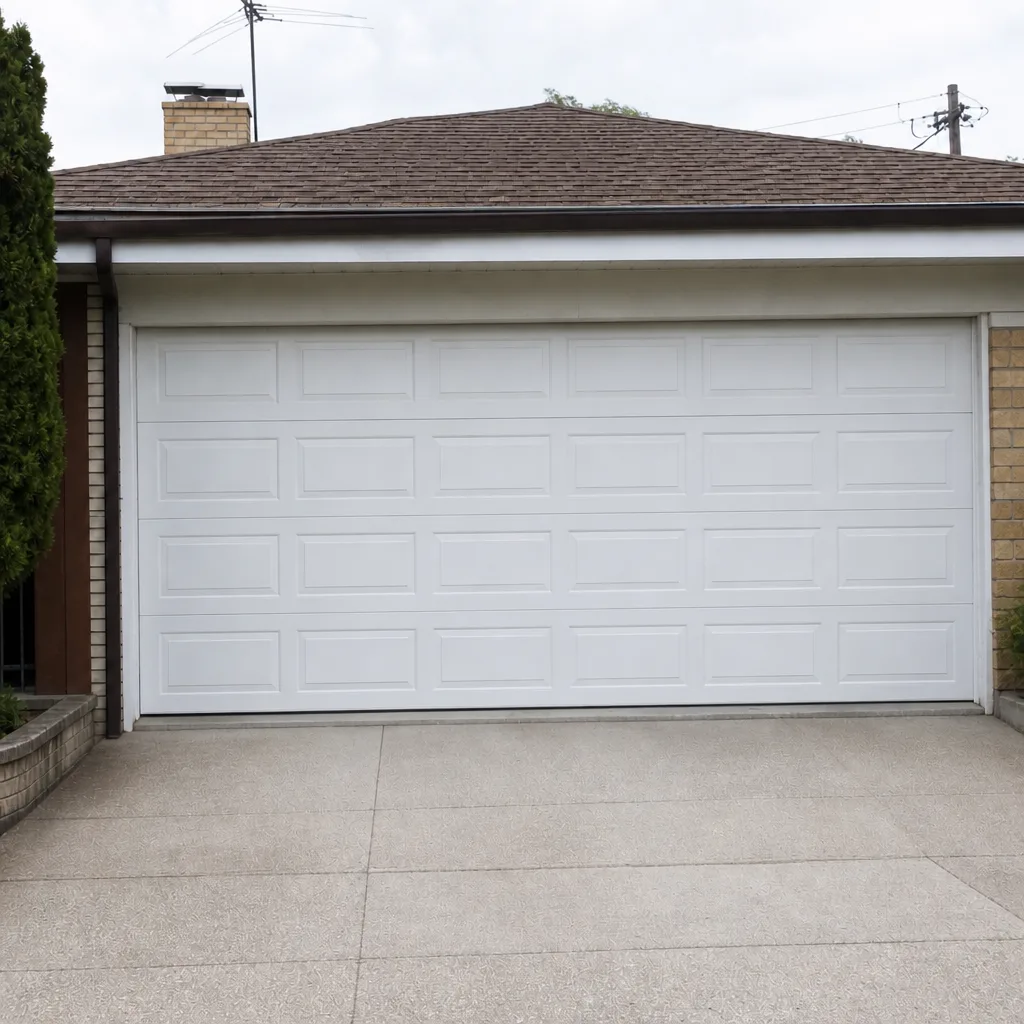
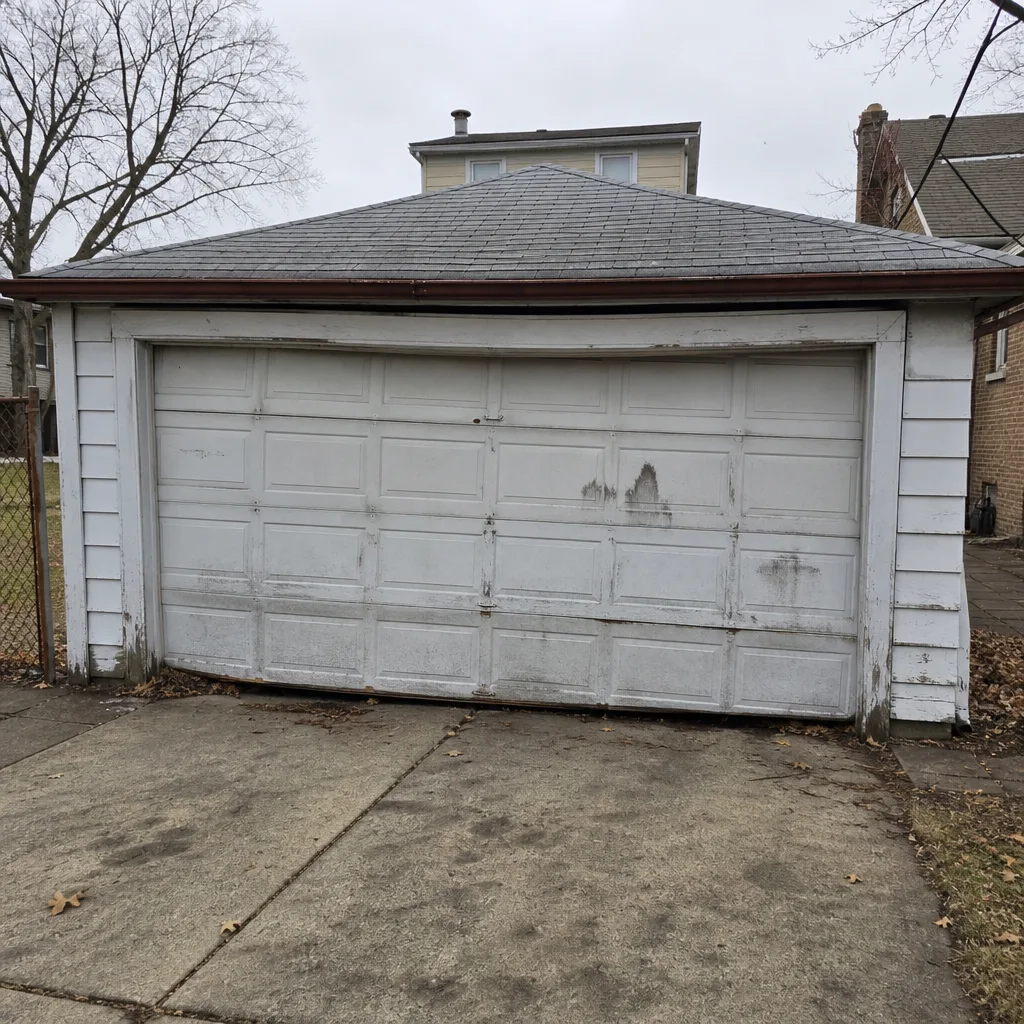
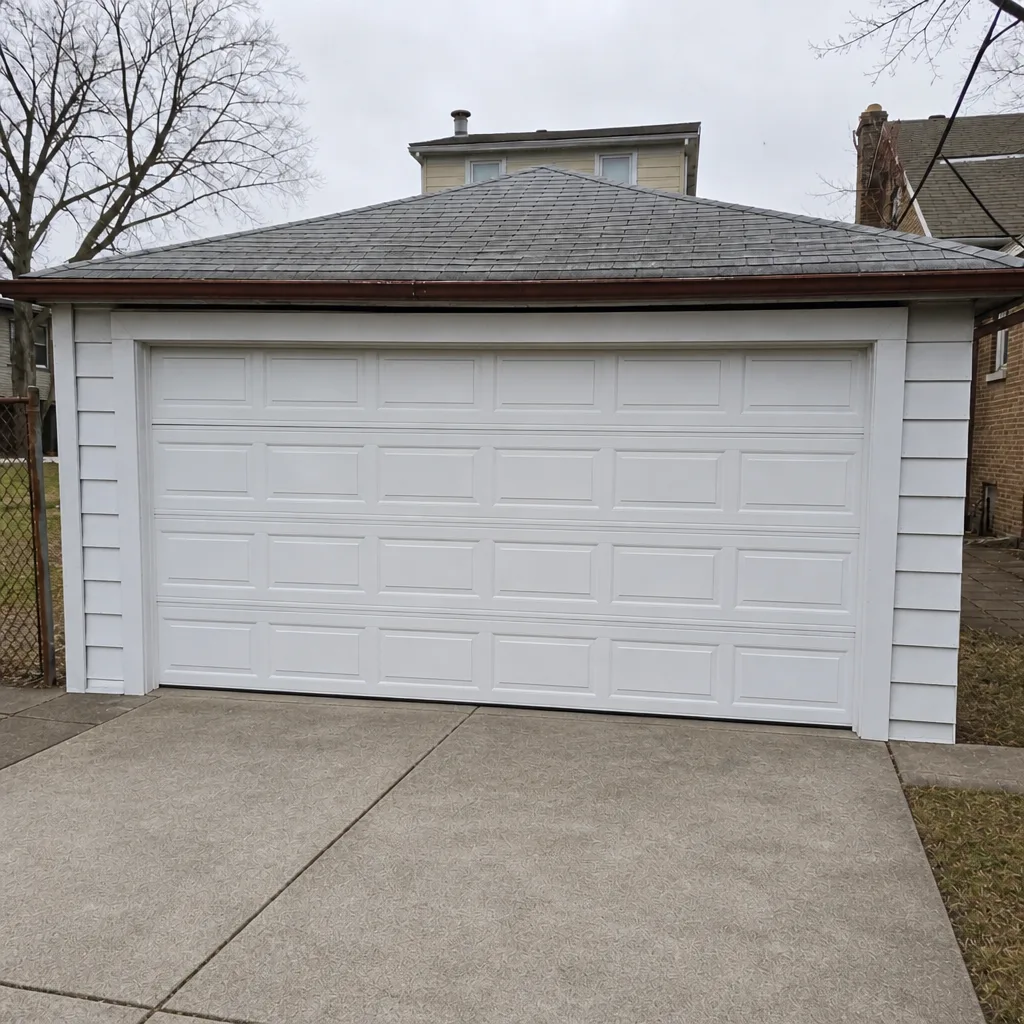
See the difference
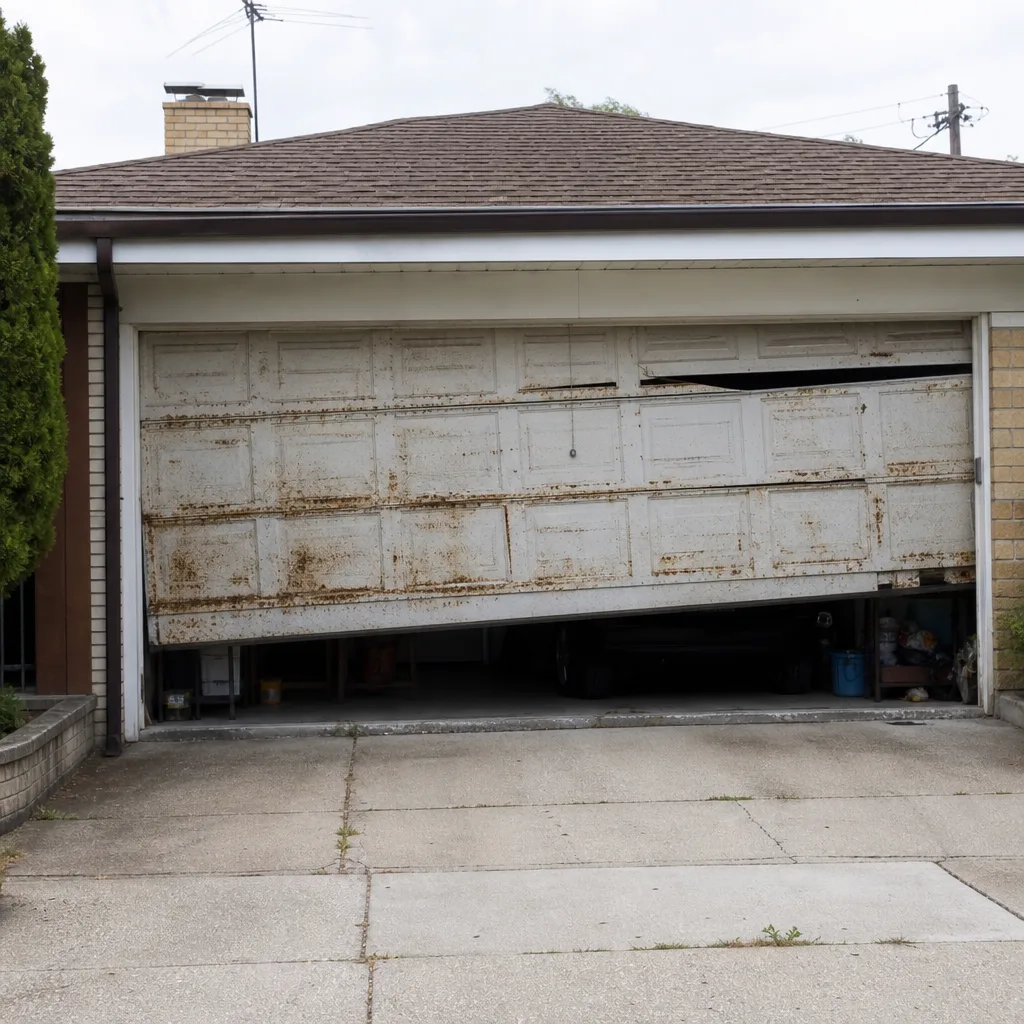 Before
 After
 Before
 After
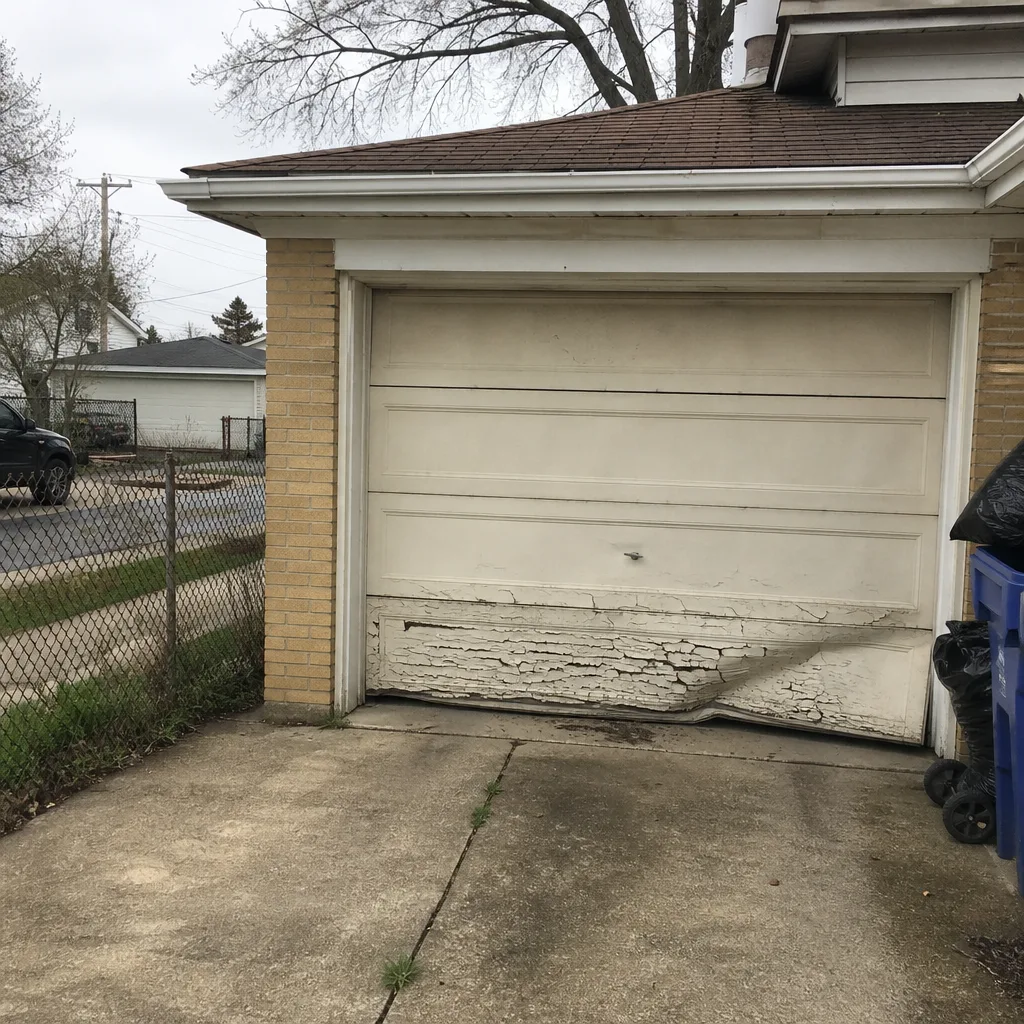 Before
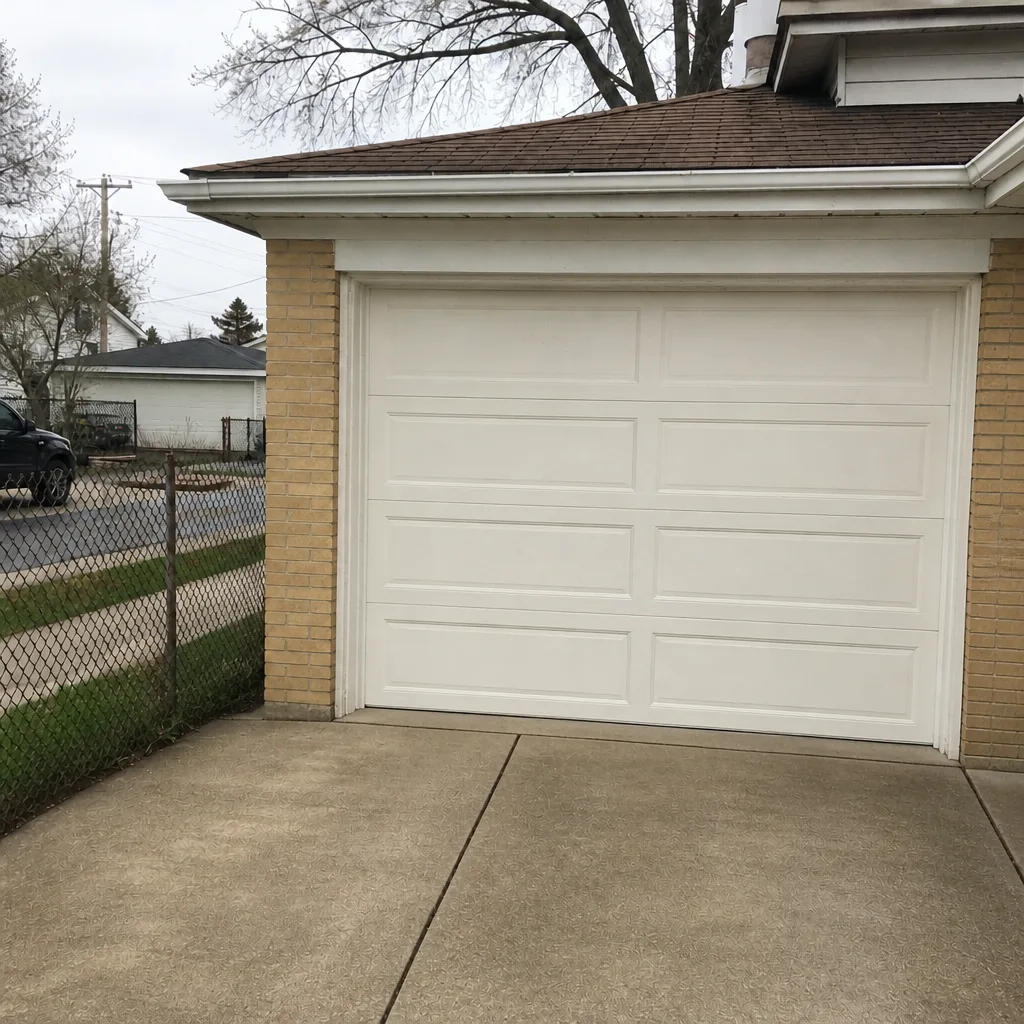 After
When to Call a Professional
Call a professional garage door contractor in Portage Park when the work involves anything structural, electrical, or fire-related – enlarging the opening, running a new circuit, changing the fire-rated assembly, or dealing with an open permit from a prior owner. Also call when you’re buying a home and the permit history shows garage work without a closed permit, or when a repair job uncovers a structural problem the original installer missed. And call when you’re not sure whether your project needs a permit at all, because a short conversation beats a mistaken assumption. Garage Door Repair Portage Park offers free estimates in Portage Park – call (844) 743-1041. The written estimate sets the final price, and the permit question is answered before work starts.
Frequently Asked Questions
Usually no, if the replacement door matches the existing opening in width, height, and weight and doesn’t touch the structure or electrical system. You do need a permit if you enlarge the opening, change the framing, run a new opener circuit, or alter the fire-rated separation between an attached garage and the house. Call (844) 743-1041 for a free estimate and a straight answer on your specific project.
A direct replacement of the opener on an existing dedicated circuit usually doesn’t require a permit. A new opener that needs a dedicated electrical circuit or a new outlet does require one, because the electrical work is permit-level and must be inspected. If you’re upgrading to a smart opener and the wiring has to change, plan for the permit as part of the project. Call us for an estimate – we’ll flag the permit piece up front.
Yes. Open permits and unpermitted work can appear in Chicago permit records and are often caught in the title search during a sale. That’s why verifying permit history belongs before the offer, not after. Call (844) 743-1041 for a free estimate if you need the garage door work corrected before sale.
The inspection itself is usually scheduled within a few weeks of the permit filing, but the total timeline depends on the department’s review queue and whether the job is a simple replacement or a structural alteration. Ask the city for an expected window when you file. The written estimate for the door work quotes a price up front so the permit timeline doesn’t turn into a surprise invoice.
No. A failed inspection is a correction list, not a rebuild. The contractor corrects what doesn’t match the permitted scope, re-schedules the inspection, and closes the permit. The main cost is time, plus any re-inspection fee. Estimates are free – call (844) 743-1041 for an assessment of what a correction will cost.
The local professional we connect you with files the permit when one is required and coordinates the inspection as part of the job. The permit and inspection are line items on the written estimate, and the final price is set by that written estimate before work starts. Call (844) 743-1041 for a free estimate.
The Bottom Line
Garage door work in Portage Park splits into two clean categories: same-size replacement and ordinary repair, which don’t require a permit, and structural, electrical, or fire-rated work, which does. The zoning envelope on Portage Park’s narrow alley lots means door dimensions aren’t just about the opening – they’re about setbacks and height, and the fire separation on an attached garage is a real code item, not cosmetic. Verify permit history before you buy, treat the permit question as part of the offer, and hire a contractor who asks about permits before you do. Get the permit right up front and a garage door project stays a two-week install instead of a two-month variance.
Contact
If you’re planning garage door work in Portage Park and want the permit question answered before you commit to a scope, call (844) 743-1041 for a free estimate. We work on the door system you already have, quote a firm price before any work starts, and tell you plainly when a project needs a permit and when it doesn’t.
Written by the team at Garage Door Repair Portage Park.