Last updated November 21, 2026
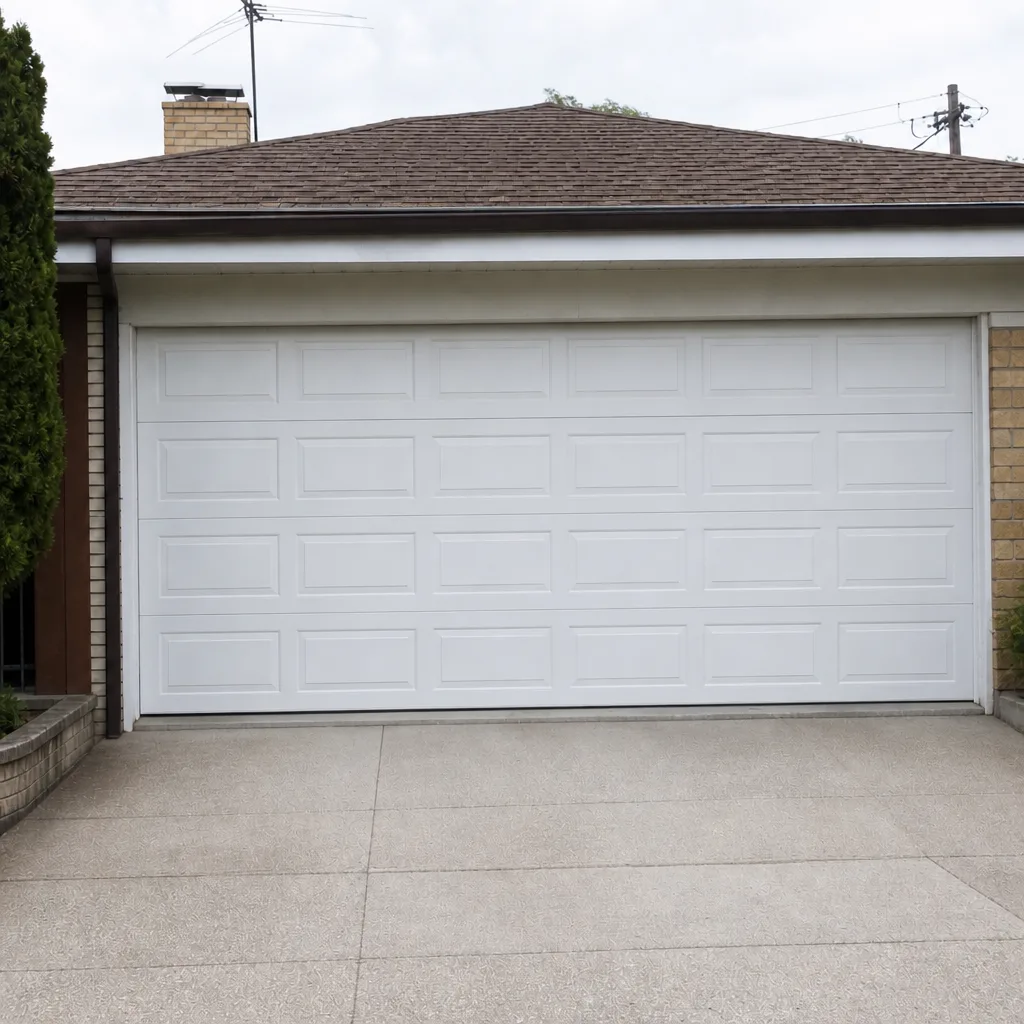
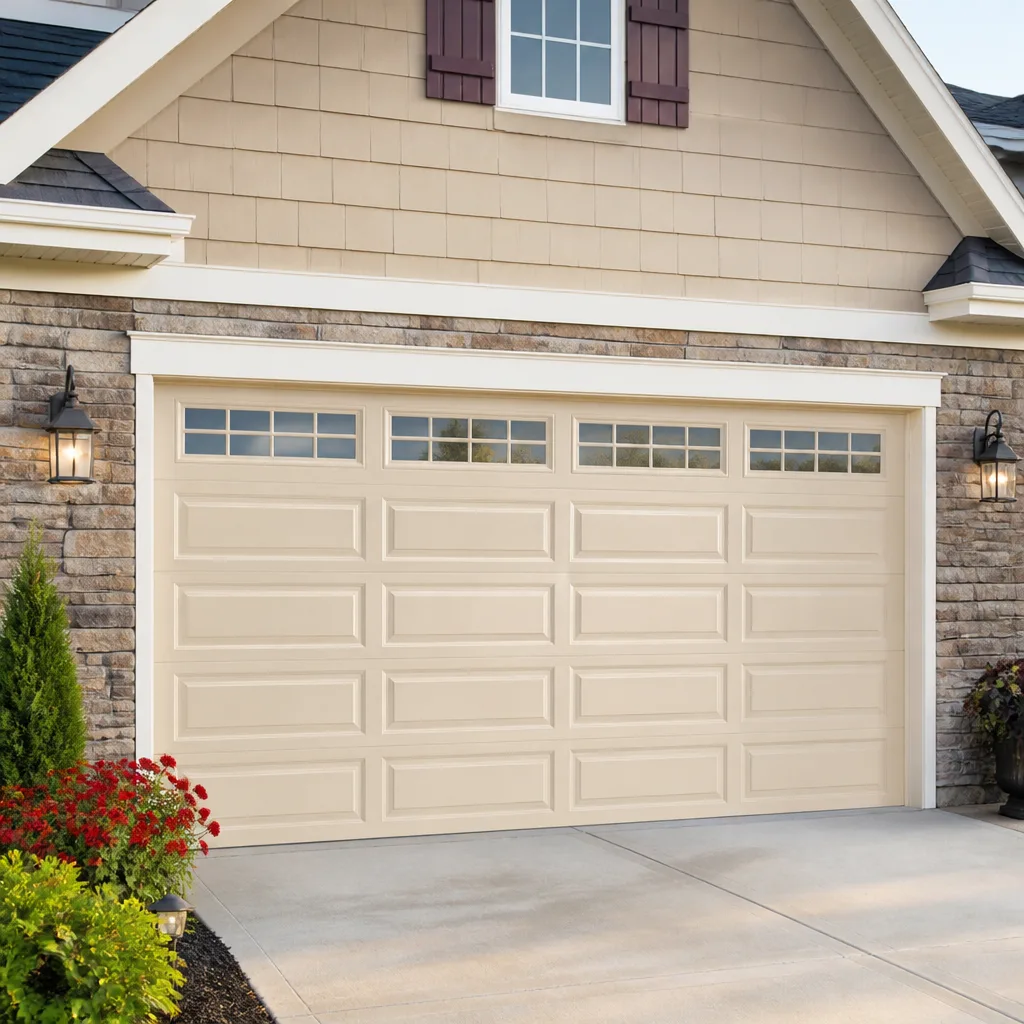 Raised-panel steel
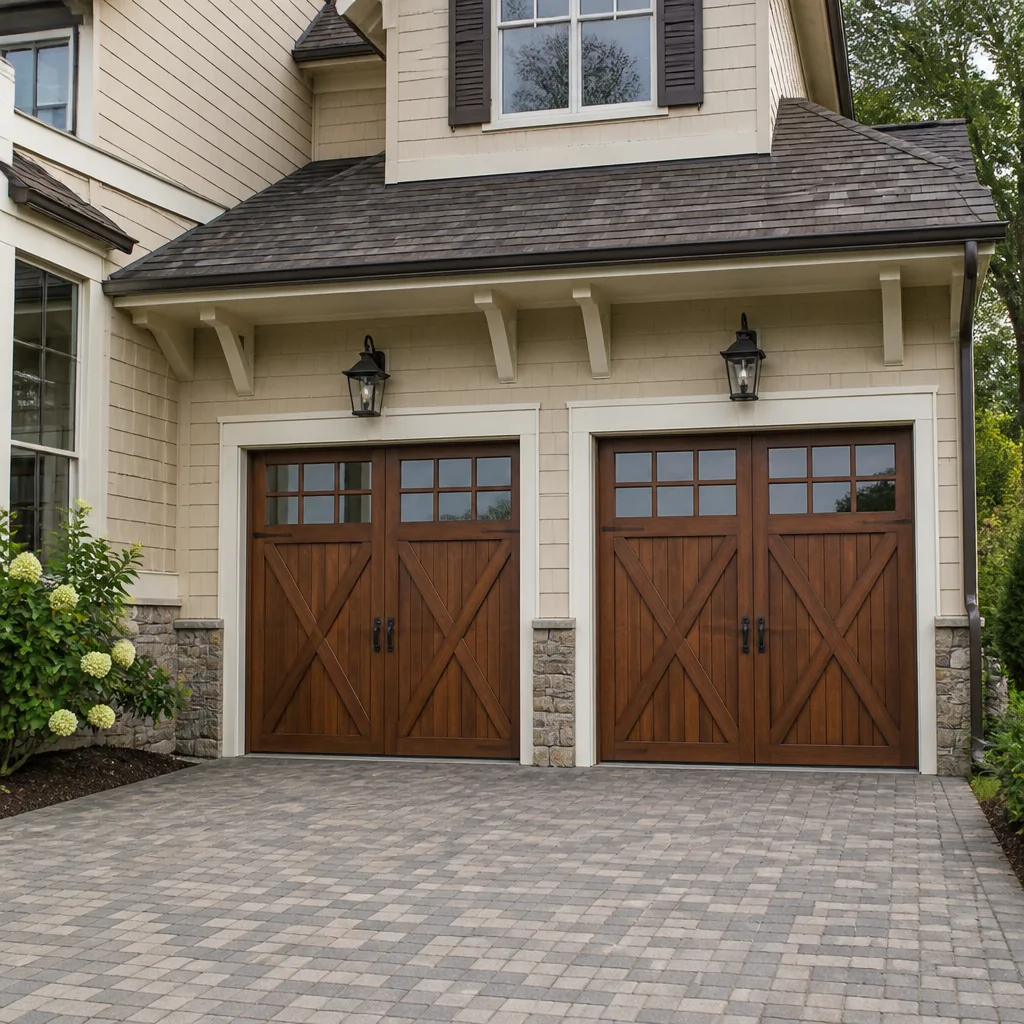 Carriage house
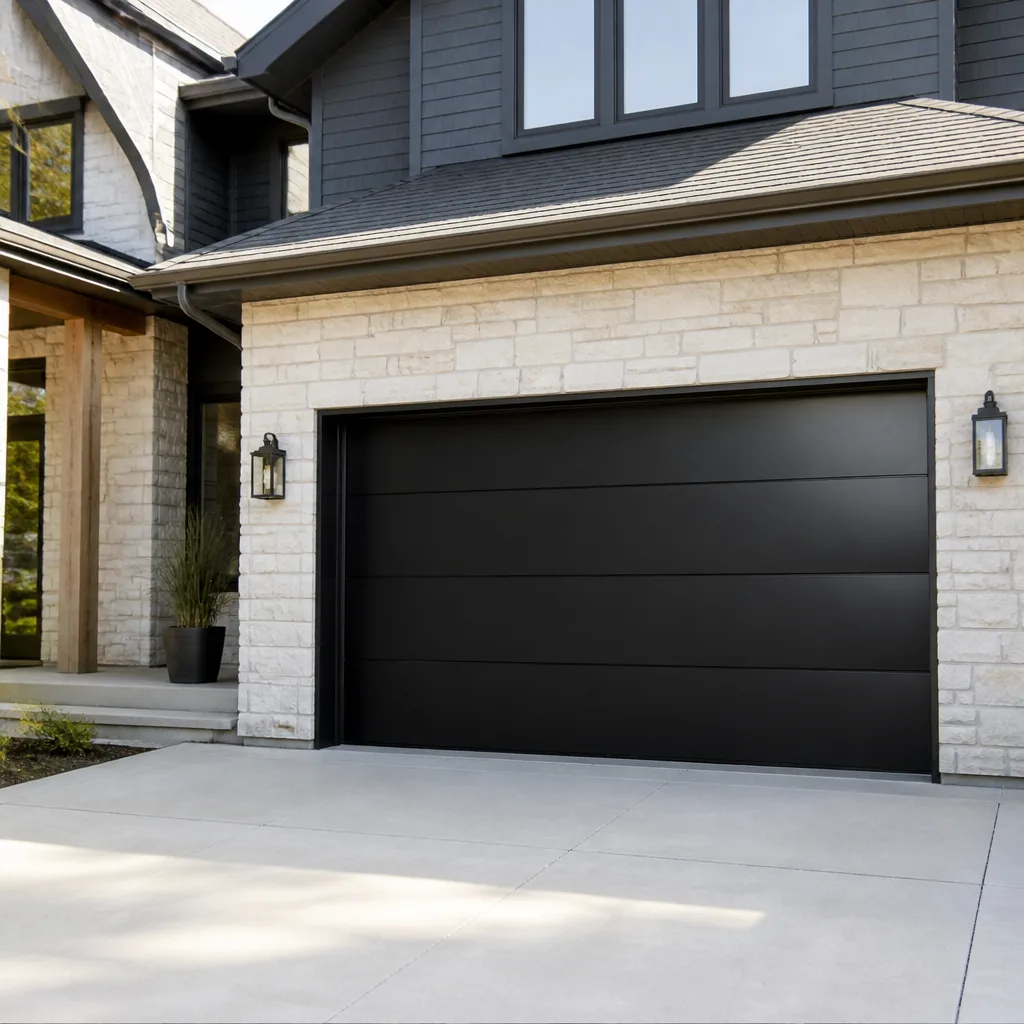 Modern flush
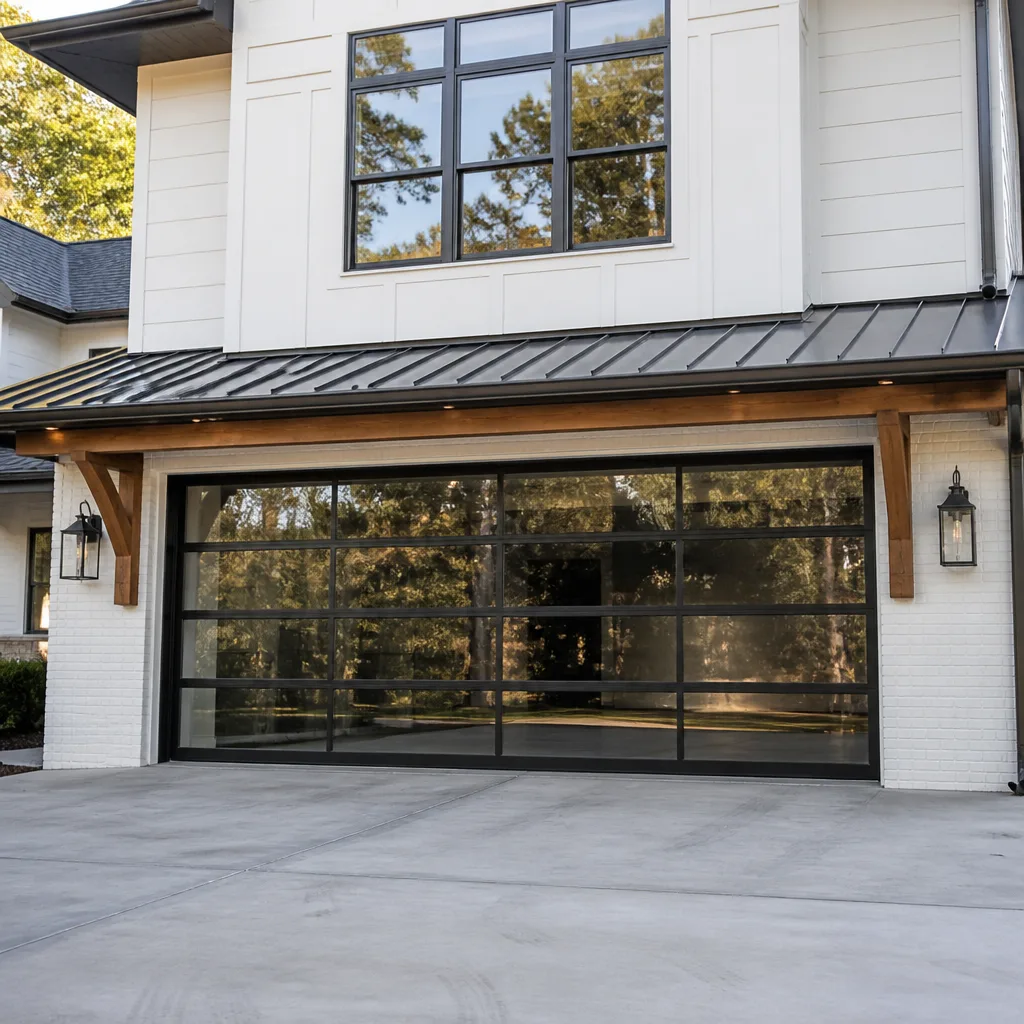 Full-view glass
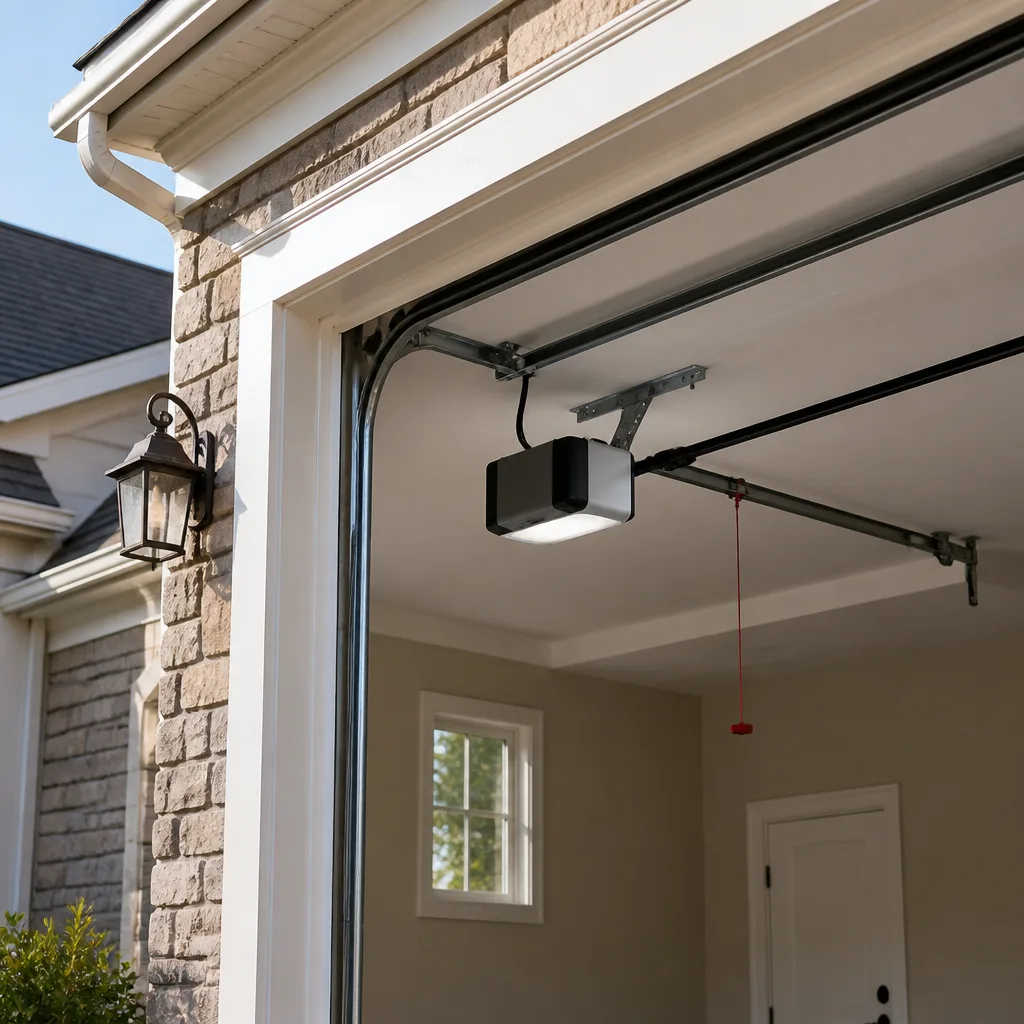 LiftMaster openers
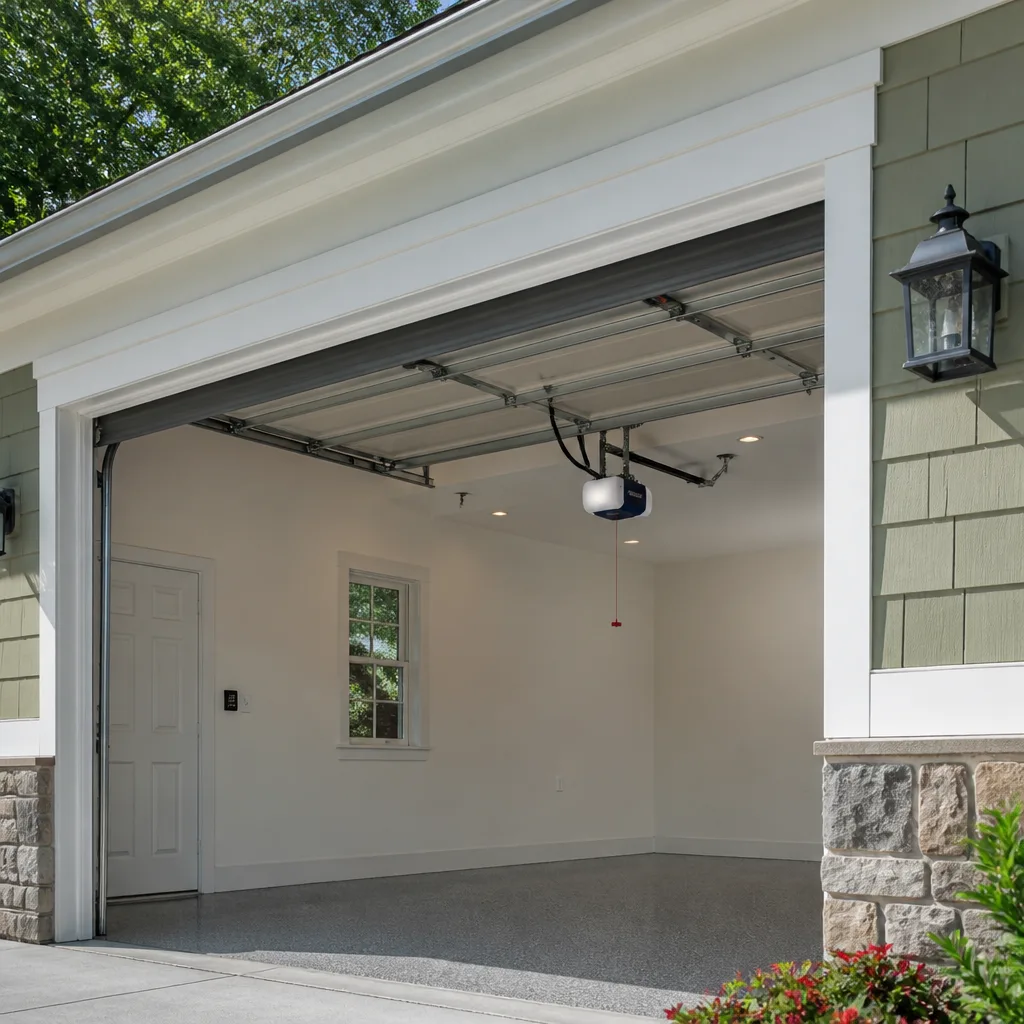 Chamberlain openers
Full 25-point door and opener safety check with every visit - springs, cables, rollers, tracks, and your LiftMaster or Chamberlain opener included
You get a price before we start. It does not change when the pro arrives.
Get your free estimateHow to Hire a Garage Door Contractor in Portage Park: A Step-by-Step Guide
The most common complaint in garage door contractor reviews isn’t about price. It’s about the technician who shows up, looks at the door, diagnoses the problem correctly, and then can’t finish because the right part isn’t on the van. Three days later, you’re taking another morning off work. Portage Park has plenty of contractors who will answer the phone, but far fewer who actually stock parts for the brands in this neighborhood’s older garages. This guide gives you a repeatable filter: five phone-screen questions, what to verify on paper, how to read an estimate, and how to spot a storm-chaser before they’re in your driveway.
Styles & brands we work with
- Raised-panel steel
- Carriage house
- Modern flush
- Full-view glass
- LiftMaster openers
- Chamberlain openers
Quick Answer
To hire a garage door contractor in Portage Park, screen them on the phone before you book: ask which brands they service, whether they stock common parts or order them after diagnosis, and for proof of liability insurance. Then get a written, itemized estimate, confirm the price is agreed before any work starts, and never let anyone touch a torsion spring who isn’t a trained technician. A good contractor fixes it in one visit; a bad one schedules a second.
Table of Contents
- Why Portage Park Garages Need a Different Kind of Vetting
- Five Phone-Screen Questions That Reveal Real Capability
- What Licensing Covers in Illinois, and the Document That Matters More
- How to Read a Written Estimate Line by Line
- Why Brand-Specific Experience Beats Generic Experience
- Red Flags: Door-to-Door and Storm-Chaser Contractors
- Repair First, Replace Only When It Makes Sense
- Spring Repair Is Safety Work, Not a Convenience Call
- Common Mistakes to Avoid
- When to Call a Professional
- Frequently Asked Questions
- The Bottom Line
Why Portage Park Garages Need a Different Kind of Vetting
Portage Park is full of bungalows and two-flats built across several decades, and the garages behind them reflect that spread. Some have original single-piece or sectional doors on extension springs. Others have been retrofitted over the years with torsion systems, belt-drive openers, or a replacement door from a brand nobody thought to write down. When you call a contractor in Portage Park, the honest answer to “what kind of door do I have?” is often “I’m not sure.” A capable technician can identify it on arrival. A limited one will stall.
That mix matters for hiring because it changes what “qualified” means. A contractor who installs new doors all day and rarely repairs older systems is a different professional from one who diagnoses brand-specific quirks on equipment that’s been opening and closing for years through Chicago’s freeze-thaw cycles. Winter cold stiffens springs and shrinks seals; summer humidity swells wood panels. Doors here work hard. The right contractor knows that and factors it into the diagnosis.
What this means for your search
You’re not searching for the cheapest quote or the biggest ad. You’re vetting for parts access, brand familiarity, and one-visit completion. Those three things decide whether your garage door works tonight or next week. Hold onto them as your filter for every contractor you talk to in Portage Park.
Five Phone-Screen Questions That Reveal Real Capability
The phone call is free and it’s where you separate capable contractors from order-takers. Ask these five questions in order. The answers, not the tone, tell you what you need to know.
- “Which brands do you service?” Listen for specific names: LiftMaster, Chamberlain, Genie, Clopay, Amarr, Wayne Dalton, Craftsman, Raynor. A contractor who names brands is telling you they’ve worked on them. A vague “we handle all brands” answer tells you nothing you can verify.
- “Do you stock common parts, or do you order after diagnosis?” This is the most important question. A contractor who carries common springs, rollers, hinges, and opener components can often finish in one visit. One who orders everything after the diagnosis will be back, and so will you.
- “Who performs spring work, and are they trained for it?” Spring repair is safety-critical. A contractor who treats it as a routine add-on, or who hands it to a general handyman, is not who you want handling torsion springs.
- “Can you give me a written itemized estimate before work starts?” The right answer is yes, and the price you agree is the price you pay. If the answer is fuzzy, that’s your answer.
- “Are you insured, and can you show proof?” Ask this before booking, not after they arrive. A serious contractor expects the question.
You don’t need all five answered perfectly. But two or three vague answers in a row is your signal to call the next contractor. When you’re ready to move forward with a specialist who handles the whole system, the same team can help with Garage Door Repair Portage Park from the first call.
What Licensing Covers in Illinois, and the Document That Matters More
Here’s the part most homeowners get backwards. In Illinois, contractor licensing varies by trade and municipality, and you should confirm any state or local requirements with the appropriate authority before you hire. But for garage door work specifically, the license is not the document that protects you most. Liability insurance is.
Why? Because garage door repair, and spring replacement in particular, is physical, mechanical work with real damage potential: to your door, your vehicle, your property, and to the technician. If something goes wrong and the contractor isn’t insured, you’re exposed. A license tells you someone registered. Insurance tells you who pays if the spring lets go and a panel comes down on your car.
What to verify before anyone shows up
- Liability insurance: Ask for a certificate of insurance. A serious contractor provides it without a fuss.
- Workers’ compensation: Ask whether anyone injured on your property is covered. This protects you, not just them.
- State or local registration as required: Confirm with Illinois and with the City of Chicago what applies to your job, and check the contractor’s standing with those offices.
- Reviews and references: Read reviews for patterns about parts delays and second visits, not just star counts.
We connect you with local professionals who are licensed and insured as their state requires. Verify the paperwork yourself regardless of who you hire. That’s the habit this guide is built around.
How to Read a Written Estimate Line by Line
A thorough estimate reads like a diagnosis. A low-ball estimate reads like a bait price. The difference is usually in what’s left out, not what’s included. When a contractor hands you a written estimate for a garage door job in Portage Park, the price you agree before work starts is the price that should stand. Read the line items and ask about anything missing.
Line items that signal a thorough technician
- Specific parts named: “Torsion spring, matched pair” beats “spring repair.”
- Labor and parts separated: You should see what you’re paying for.
- Number of components: Rollers, hinges, cables, drums, and bearings listed individually rather than bundled into a vague “hardware” line.
- Diagnosis noted: A sentence on what failed and why. That’s a technician showing their work.
- No mystery fees: Trip charges, disposal fees, or “shop supplies” that appear only at the end are a warning.
Line items that signal a low-ball quote
- A single round number with no breakdown.
- Missing components you know the job needs, which become add-ons once the technician is on-site.
- A price that seems too good, then a “we found more” conversation after the work starts.
Ask directly: “Is this the final price, and does it include parts and labor?” Get the answer in writing. If the technician finds something extra, they should quote it before doing it, not after.
Why Brand-Specific Experience Beats Generic Experience
Ask for brand experience because “we work on garage doors” is not the same as “we work on your garage door.” A technician who services mostly new LiftMaster residential systems may never have handled a Raynor or a Wayne Dalton setup of the kind common in older Portage Park garages. The symptoms look similar. The fix doesn’t. Opener electronics, limit switches, travel adjustments, and spring configurations differ by brand and by generation.
This matters more here than in a new subdivision. Portage Park’s housing stock spans decades, and so does the equipment bolted to its ceilings. When the technician arrives, the brand and model determine the diagnosis, the parts, and whether the job finishes today.
What to listen for
- Can they name the brands they service, or do they say “all brands”?
- Do they carry replacement parts, or source them directly? Parts access is the difference between one visit and three.
- Do they understand smart-home-compatible openers (LiftMaster, Chamberlain, Genie) as well as legacy systems? Both matter for a neighborhood with a mix of old and newly upgraded doors.
If the operator of your door is a Raynor or a Genie and the opener’s acting up, the same local team that handles garage door opener repair also covers the door itself, which means you’re not calling a second contractor for the panel. One system, one call.
Red Flags: Door-to-Door and Storm-Chaser Contractors
After a hard Chicago winter, garage door problems spike. So do the people offering to fix them. Snow load, ice, freeze-thaw, and stubborn seals all take a toll, and a knuckle on your door starts to rattle. Door-to-door contractors and out-of-area crews tend to show up right when that happens. Some are legitimate. Many are not, and the tell isn’t their price. It’s their process.
Watch for these
- They knock, unsolicited, with a “I noticed your door” pitch. A contractor you find and call is accountable in a way a door-knocker usually isn’t.
- No verifiable business identity. No written estimate, no certificate of insurance, no address you can check. If you can’t verify them, don’t hire them.
- Pressure to decide today. Real mechanics want to diagnose before quoting. Pressure to commit before diagnosis is a sales script, not a repair.
- Cash-only, no paperwork. The written estimate is your protection. If they won’t put it on paper, walk.
- Full replacement pitched on the first visit. A door that needs a spring or a hinge does not automatically need replacing. Repair first, replace only when it makes sense.
- “I was in the neighborhood” openings. Convenient for them, and rarely for you.
The fix is simple: you call them, you screen them, you get it in writing. That flips the whole relationship.
Repair First, Replace Only When It Makes Sense
A good contractor tells you when a repair will do. A bad one tells you every door is a replacement door. In Portage Park, most garage door calls we hear about are repair jobs: a broken spring, a failing opener, a snapped cable, a hinge or roller that’s worn out. A full replacement is the right call when the door’s structure is compromised, when repair costs start to approach replacement, or when the door’s the wrong size or material for the opening. It’s not the right call because it’s the bigger invoice.
When repair makes sense
- One component failed and the rest of the system is sound.
- The opener’s failing but the door itself is fine.
- Panels, hardware, or springs can be replaced with genuine parts.
When replacement makes sense
- The door’s structure is damaged and parts can’t bring it back.
- Repeated repairs are adding up.
- You want a different material, size, or style.
Ask your contractor to explain their reasoning either way. The honest answer is usually clear once they’ve diagnosed the problem. When a new door is the right move, the same team handles garage door installation and can measure, order, and schedule, with a free measure and a written price before anything’s ordered.
Spring Repair Is Safety Work, Not a Convenience Call
Torsion and extension springs hold stored mechanical energy under real tension. When they fail, they can do serious damage, and they can hurt whoever’s in the way. That’s why spring repair is a separate, safety-critical service, not a line item a general handyman adds to a Saturday list. A trained technician knows how to de-tension the system, how to replace the spring safely, and when a matched pair should be replaced together rather than one at a time.
Why a matched pair matters
Springs wear together. Replace one and the second is likely close behind, which means a second breakdown and a second visit. A trained technician will recommend replacing the pair when it’s the right call and explain the cost difference before doing the work. Ask about this on the phone. It’s a good test of whether the person on the other end actually does spring work.
What you should never do yourself
Do not attempt to adjust, remove, or replace a torsion spring. The stored energy can release suddenly and cause serious injury. There’s no safe do-it-yourself version of this job. Call a trained technician.
For the rest of a failing door, including a bent panel or a broken hinge, the local team handling garage door repair can diagnose the whole system at once, springs, opener, panels, and hardware, so nothing gets missed on a single-component fix.
Common Mistakes to Avoid
- Hiring on price alone. The lowest quote is often the one that misses a component and adds it later. Compare itemized estimates, not round numbers.
- Skipping the insurance check. A contractor who can’t produce a certificate of insurance is the one you’re most exposed to. Verify it before they arrive, every time.
- Not asking about parts access. In Portage Park, where garages span decades of equipment, parts access decides whether your door works tonight. Ask what they stock and what they order.
- Letting anyone other than a trained technician touch a spring. Spring work is safety work. A general handyman is not the person for it.
- Accepting a verbal quote. Get the estimate in writing, itemized, and confirm the price is agreed before work starts. Verbal quotes are where the surprise invoice is born.
- Deciding to replace when repair would do. If a contractor jumps to replacement without explaining why repair won’t work, ask for the reasoning. “Repair first” is the honest default.
- Ignoring red flags after a winter damage season. Door-knockers will show up. The fix is to screen them on the phone before letting them near your door.
When to Call a Professional
Call a professional when a spring has broken, when the door has come off its track, when the opener runs but the door doesn’t move, or when the door sags or binds and you can’t trace why. Call when a cable has snapped or when the door’s behavior has changed suddenly. Call before you touch a spring. And call when the diagnosis is unclear, because a technician who works on Portage Park doors regularly will recognize the problem quickly.
Garage Door Repair Portage Park offers free estimates in Portage Park: call (844) 743-1041. We work on the brands that actually live in this neighborhood’s garages, and we can often finish in one visit because parts are on hand rather than ordered after the diagnosis.
Frequently Asked Questions
Most garage door spring repairs in Portage Park fall in a typical range, and the written estimate you receive sets the final price. A matched pair costs more than one spring because both are replaced together. Call (844) 743-1041 for a free estimate, and the price you agree before work starts is the price you pay.
Often yes. Call (844) 743-1041 and we’ll tell you what’s available for the same day and book a technician. Same-day service depends on the problem and the parts needed, which is why the phone-screen questions in this guide matter: a contractor who stocks parts can finish the job on the first visit.
No. The written estimate is the agreed price before work begins. If the technician finds something extra, they should quote it before doing it, not after. Call (844) 743-1041 for a free estimate with the price quoted and agreed upfront.
The local professionals we connect you with are licensed and insured as their state requires. Ask for a certificate of insurance and verify it yourself before hiring any contractor; that’s the habit this guide recommends regardless of who you choose. Call (844) 743-1041 with any questions about credentials before booking.
Look for a label inside the door panel or on the opener housing. In older Portage Park garages, you may find a brand that’s no longer in common production. Don’t worry if you can’t identify it: a technician who services Raynor, LiftMaster, Chamberlain, and Genie equipment will recognize it on arrival and can confirm parts availability before scheduling.
Ask which brands they service, whether they stock common parts or order them after diagnosis, who handles spring work, and whether they’ll give you a written itemized estimate before work starts. Then ask for proof of insurance. Two or three vague answers in a row is your signal to call the next contractor. Call (844) 743-1041 and put the same questions to us; estimates are free.
The Bottom Line
Hiring a garage door contractor in Portage Park is a vetting problem, not a search problem. The right process is simple: screen on the phone with the five questions, verify liability insurance before anyone shows up, insist on a written itemized estimate where the price is agreed before work starts, and ask specifically about brand experience and parts access. Do those four things and you’ll avoid the most common complaint in the reviews: the technician who can’t finish because the right part isn’t on the van. Call (844) 743-1041 for a free estimate from a team that works on the brands in this neighborhood’s garages and can often finish in one visit.
Written by the team at Garage Door Repair Portage Park.
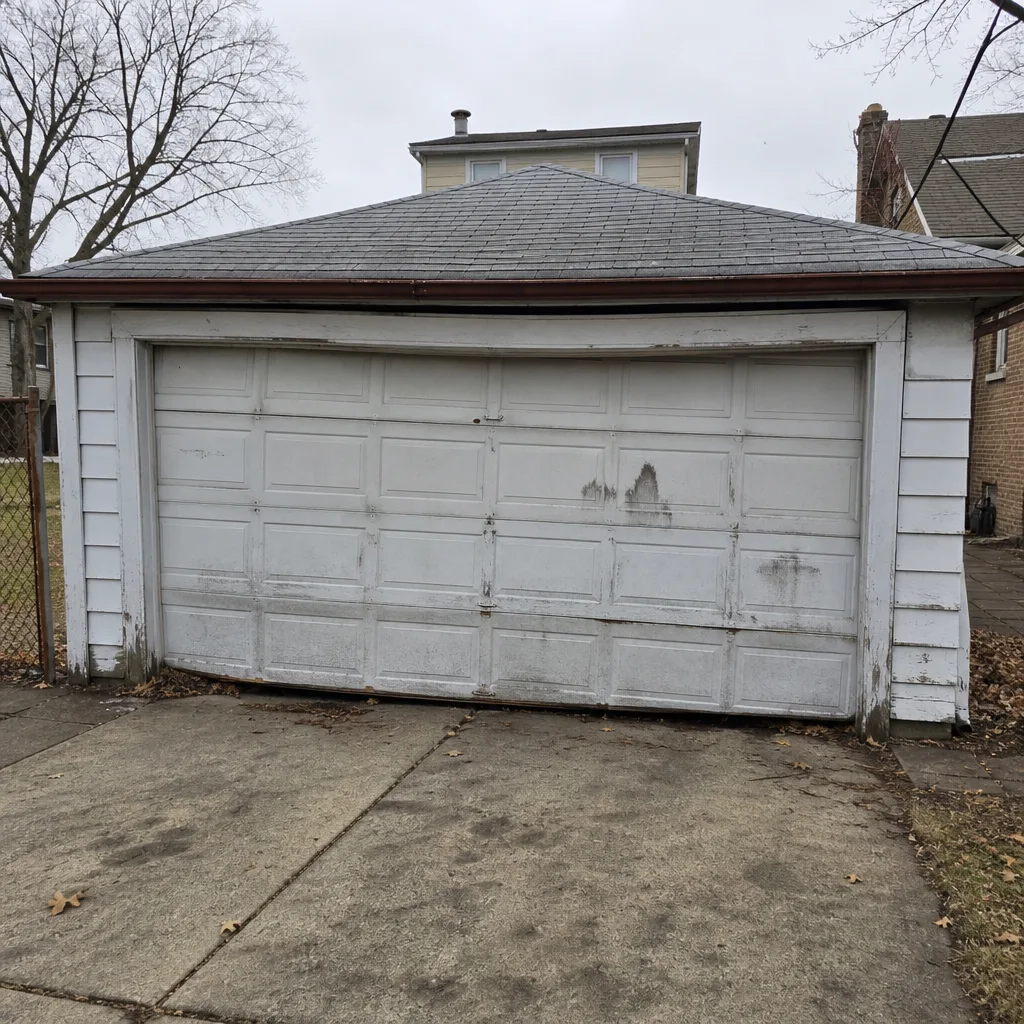
See the difference
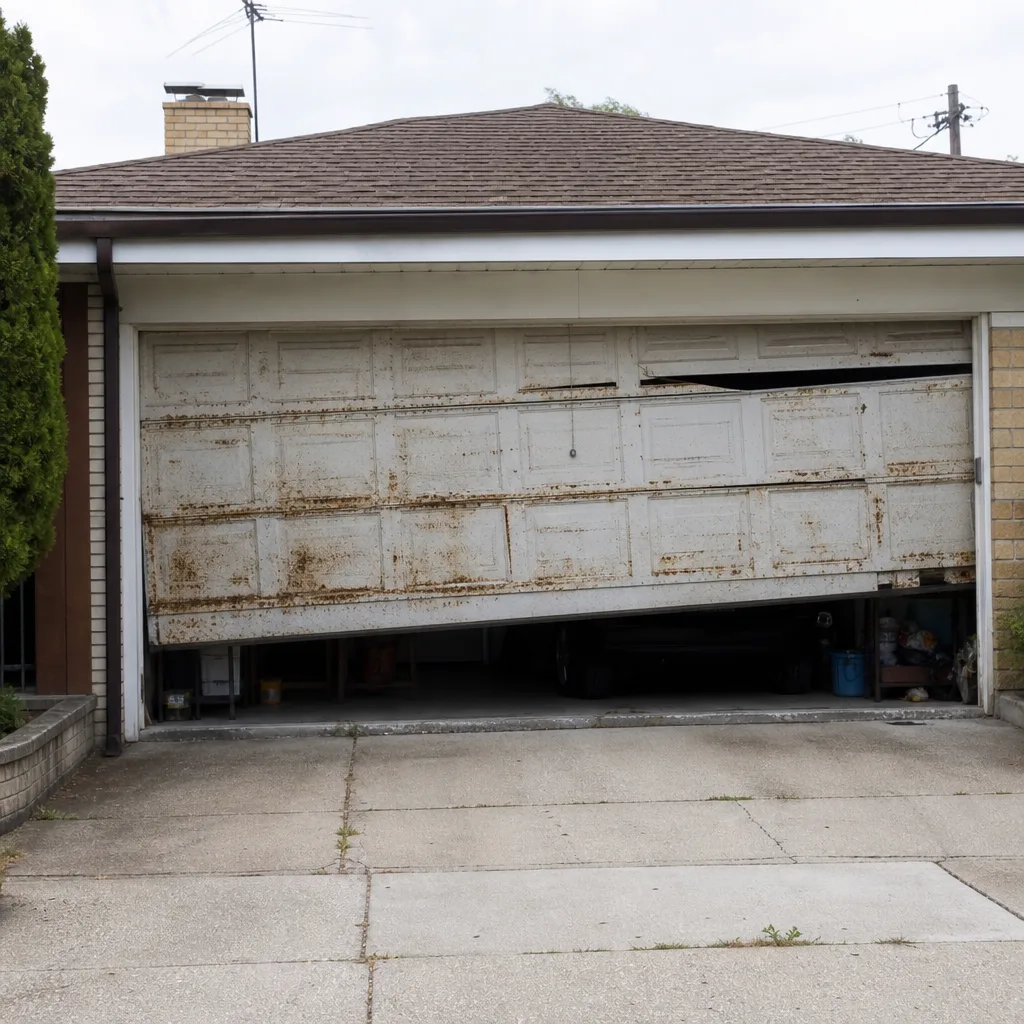 Before
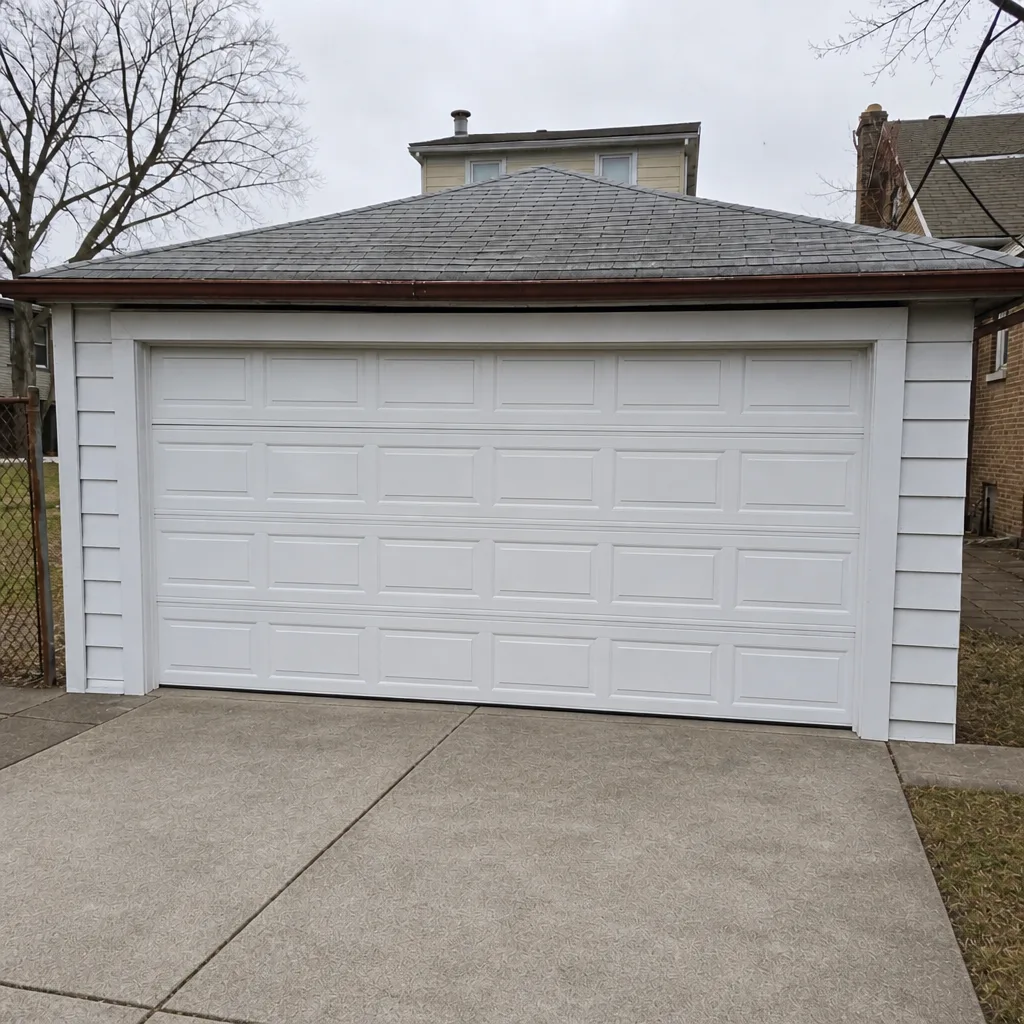
 After
 Before
 After
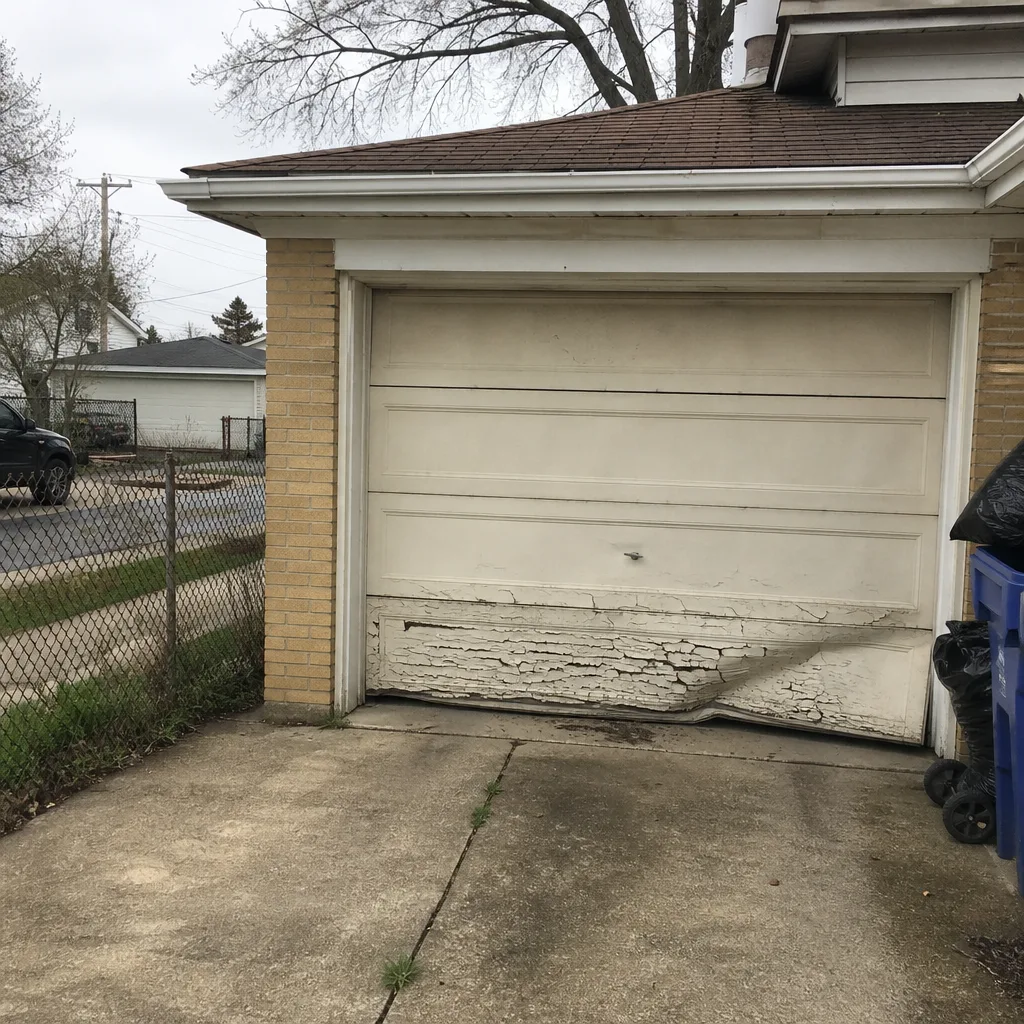 Before
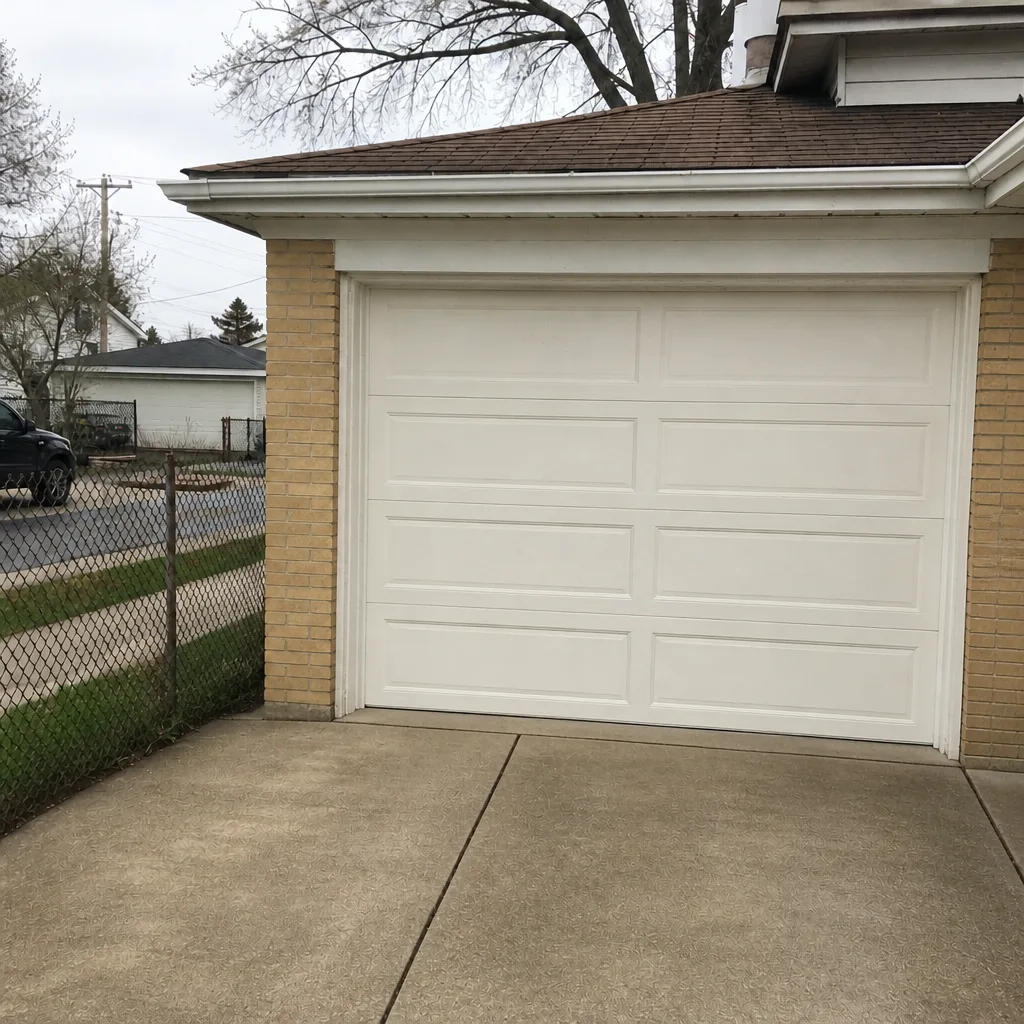 After